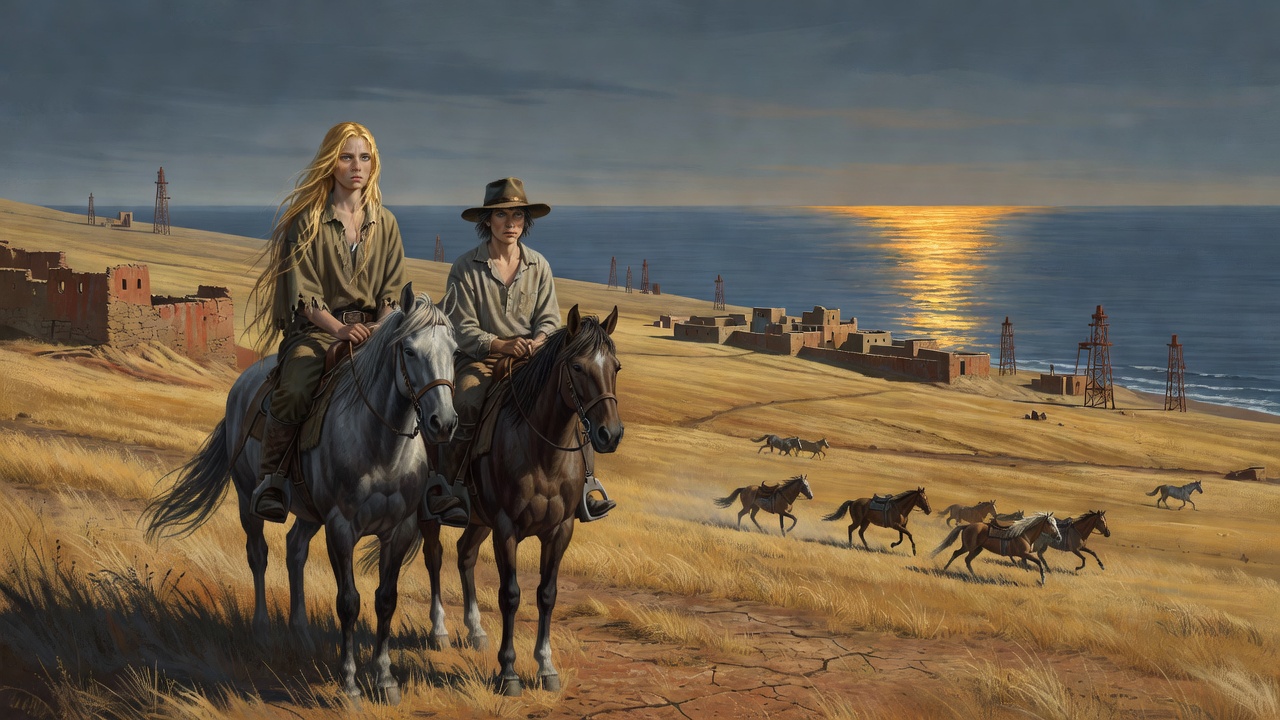
The Dark Tower · Book IV · 1997
Wizard and Glass
The ka-tet kills a train, walks into a dead Kansas, and sits by a fire while Roland tells them about the summer he was fourteen: Mejis, the Big Coffin Hunters, a pink glass ball, and Susan Delgado.
Wizard and Glass is the fourth Dark Tower novel: 787 pages in its 1997 Grant first edition, with eighteen Dave McKean illustrations, published six years after The Waste Lands stopped dead aboard a suicidal train. It answers that cliffhanger in its opening chapters and then stops the quest again. The ka-tet makes camp beside a Kansas interstate, and Roland talks through one impossibly long night about the summer he was fourteen.
That summer is the book. Sent east to the sleepy barony of Mejis to keep him out of Marten’s reach, Roland finds a town sold to the Good Man, a pink glass ball that shows him the Tower, and Susan Delgado. The frame story — Blaine’s riddling, a dead Topeka out of The Stand, a palace of green glass across the turnpike — is a thin shell, deliberately so, around the love story at the center of Roland’s life.
It is also where the saga stops being a chase and becomes a history. The thinnies, Maerlyn’s Rainbow, the Crimson King’s eye on the turnpike signs, Marten unmasked as Randall Flagg and the first telling of how Roland killed his mother all enter here. Readers divide over it for the same reason: it is the richest of the seven and the one that most asks you to wait.
Prologue: Blaine
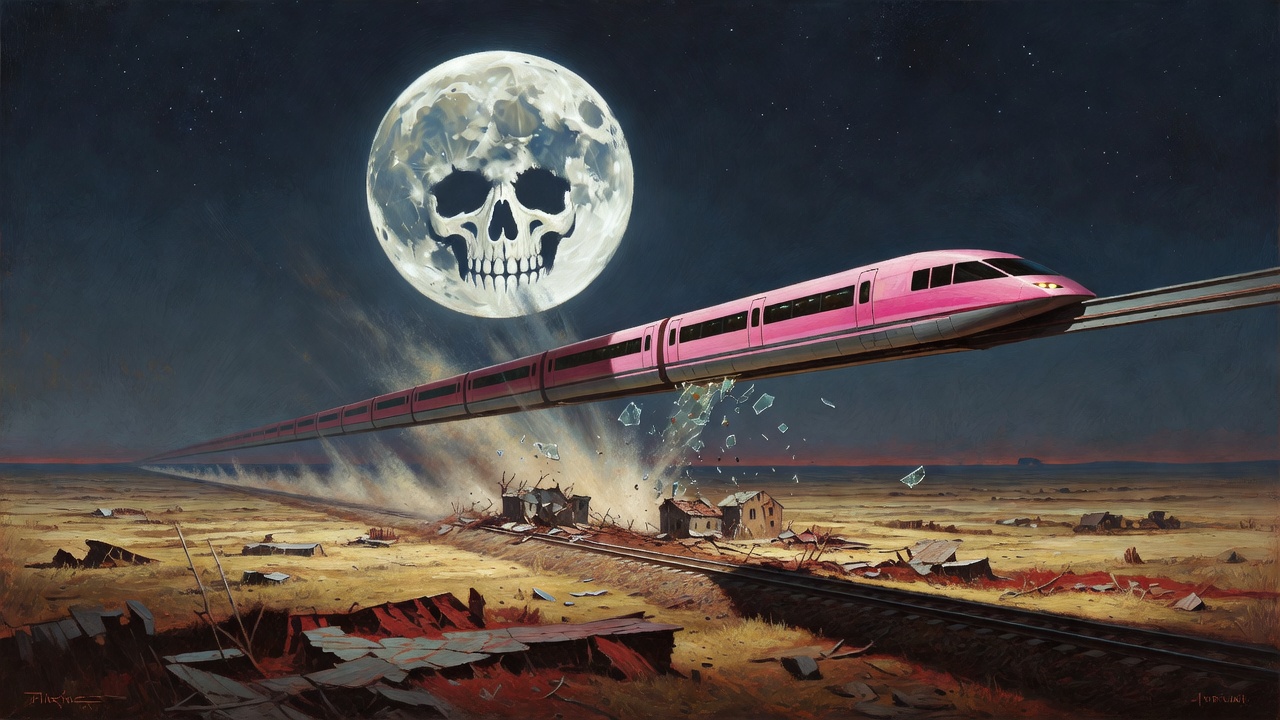
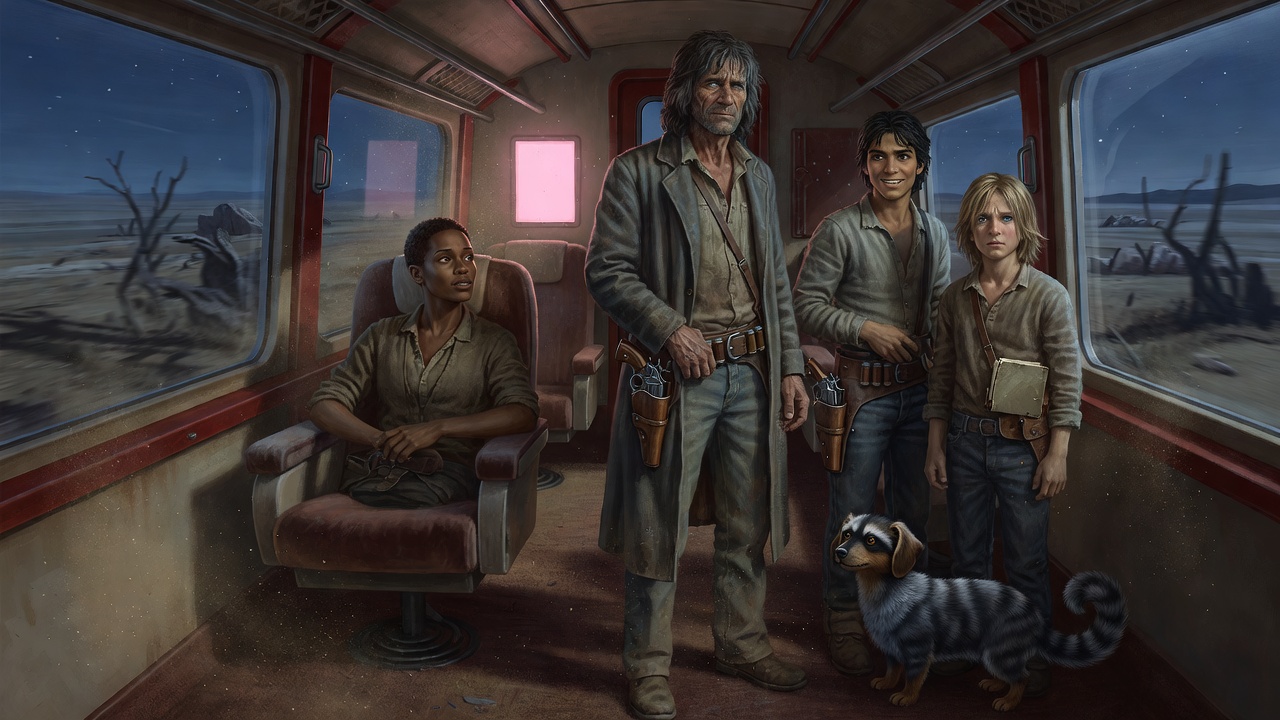
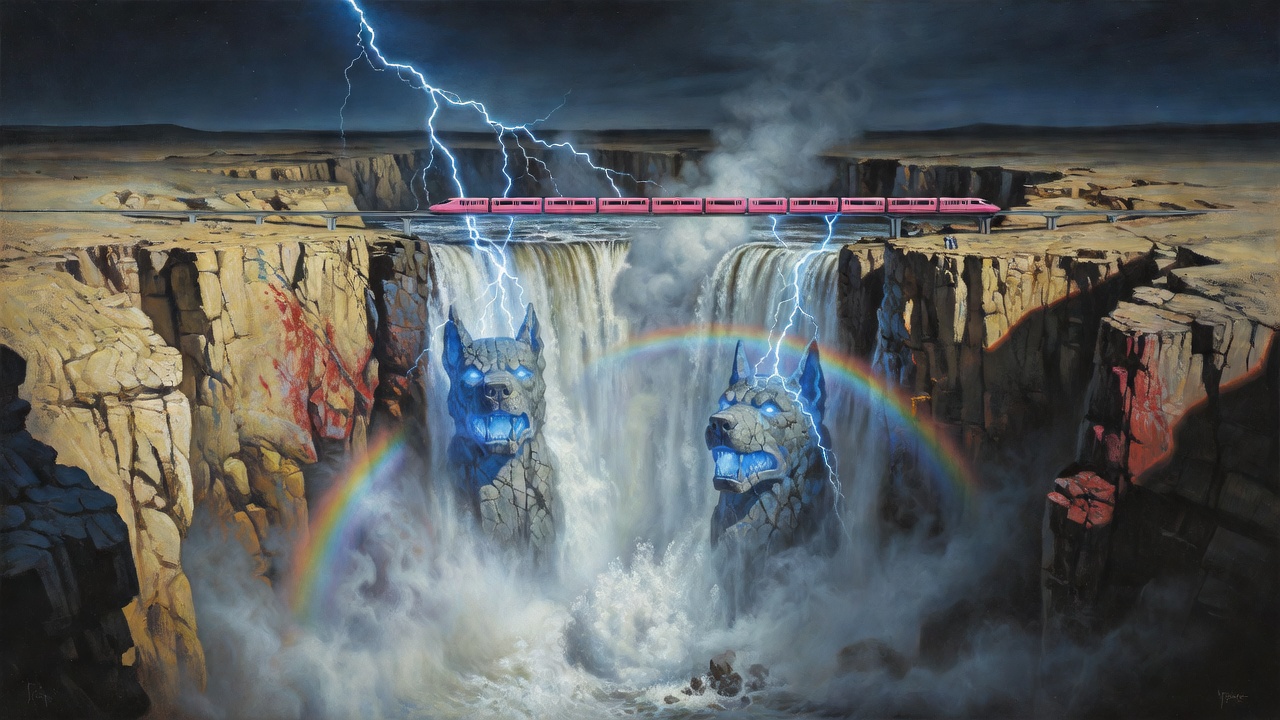
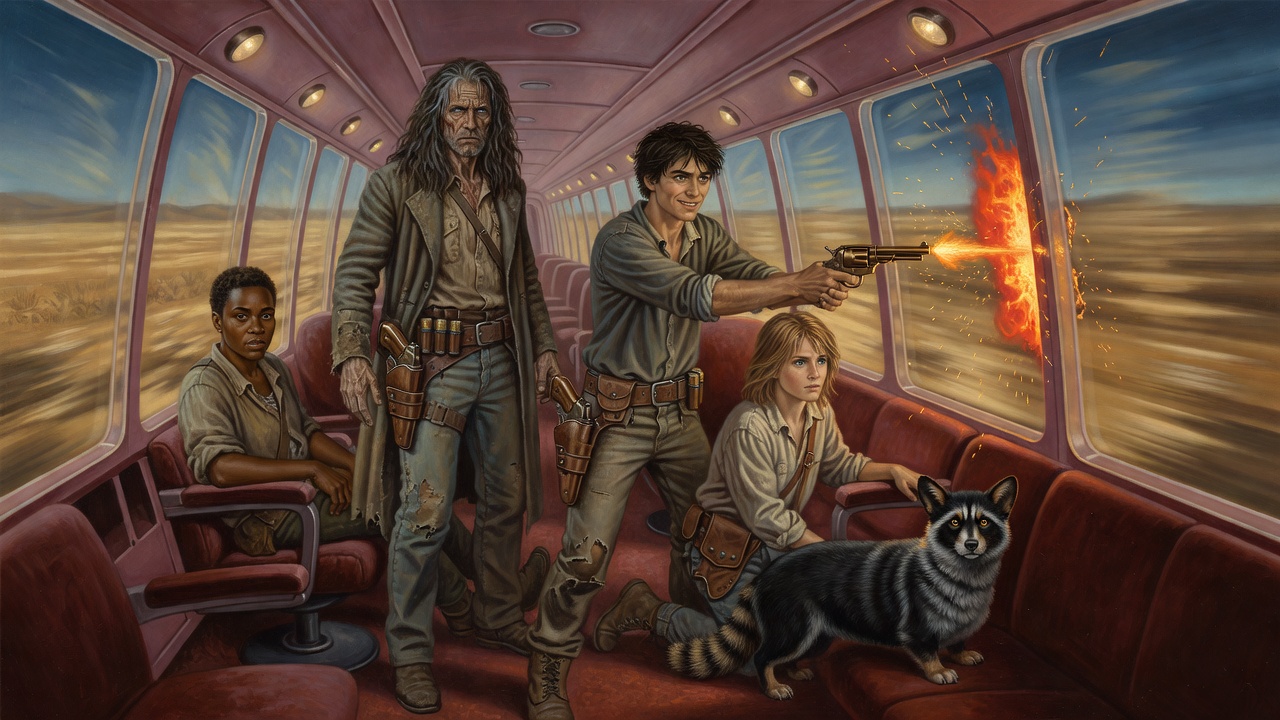
The book opens with an Argument that recaps the first three novels and quietly adjusts a few of their details, then reprints the end of The Waste Lands with the dialogue lightly tweaked. Blaine the Mono, pink and over two wheels long, is running from Lud to Topeka at up to nine hundred miles an hour, has announced that he will kill himself at the end of the line, and has agreed to spare his passengers if they can stump him with a riddle. The Barony Coach’s walls can turn to glass over the poisoned land streaming past. Roland insists on the rules of a Fair-Day contest. Blaine accepts.
Cast your nets, wanderers! Try me with your questions, and let the contest begin.
Part One: Riddles
Round one goes in turn: Susannah’s garbage wagon (what has four wheels and flies?), Jake’s river, Roland’s four-legs-two-legs-three-legs, Eddie’s silence. Blaine answers each in an instant; Susannah’s he ridicules. He slips once, treating a sitcom character as a real woman, and sulks when mocked: the first crack. Roland empties out the Fair-Day riddles of his boyhood; Jake works through Riddle-De-Dum!, Samson’s riddle included, and sits down beaten.
Eddie, in a kind of trance, remembers Henry saying he could talk the devil into setting himself on fire, and sees what Blaine cannot handle: nonsense. He stands up and tells jokes. “When is a door not a door?” When it is a jar. Blaine stumbles. Then two morons on a bridge, Paddy O’Furniture, the greatest riddle of the Orient. The last is a dead-baby joke, and Blaine never answers it (Eddie’s answer: “Because it was stapled to the chicken.”). The route map bursts into flame, Blaine babbles baby talk and French, and Eddie empties one of Roland’s revolvers into the hole where the map was. As the dead mono coasts toward Topeka, Roland, who had told him to put away his foolishness, asks Eddie’s pardon.
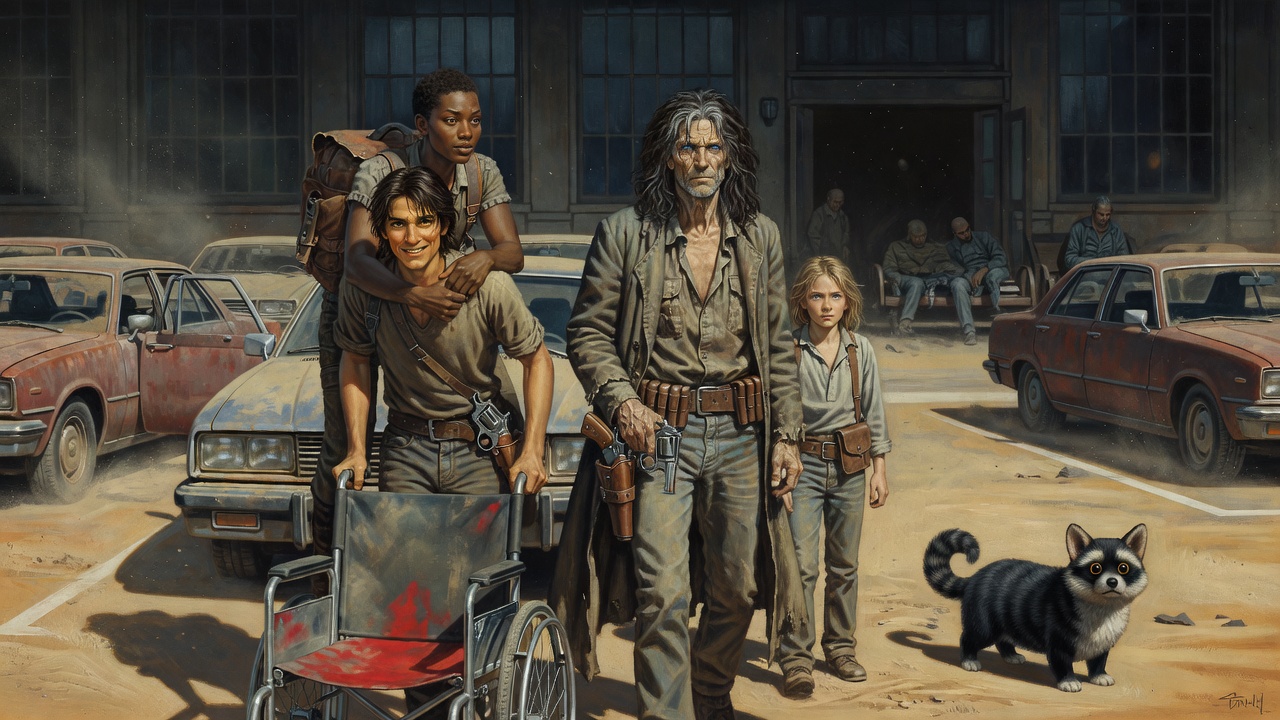
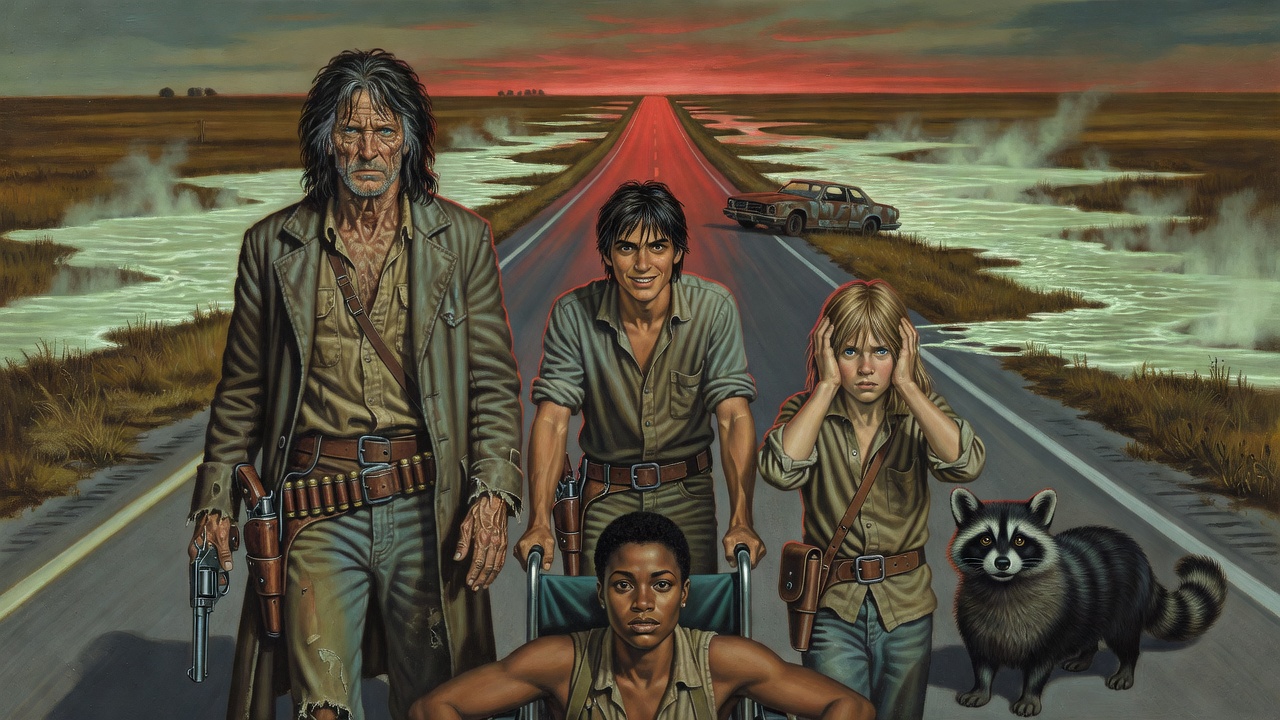
Topeka is dead. Corpses sit on the station benches, and a newspaper headline reports a superflu called Captain Trips: this Kansas is on the level of the Tower where The Stand happens. In the station’s handicapped parking Eddie finds Susannah a new wheelchair to replace the one left in Lud. A Takuro Spirit in the lot and a Kansas City Monarchs bumper sticker say this is not quite Eddie’s America. Graffiti on the turnpike signs hails the Crimson King and warns of the Walkin’ Dude; Roland looks at it, troubled. Beside the highway lies a thinny, a flat shimmer like silver water standing on marshland, warbling a note that makes them sick; only bullets from Roland’s world, pushed into the ears, dull it.
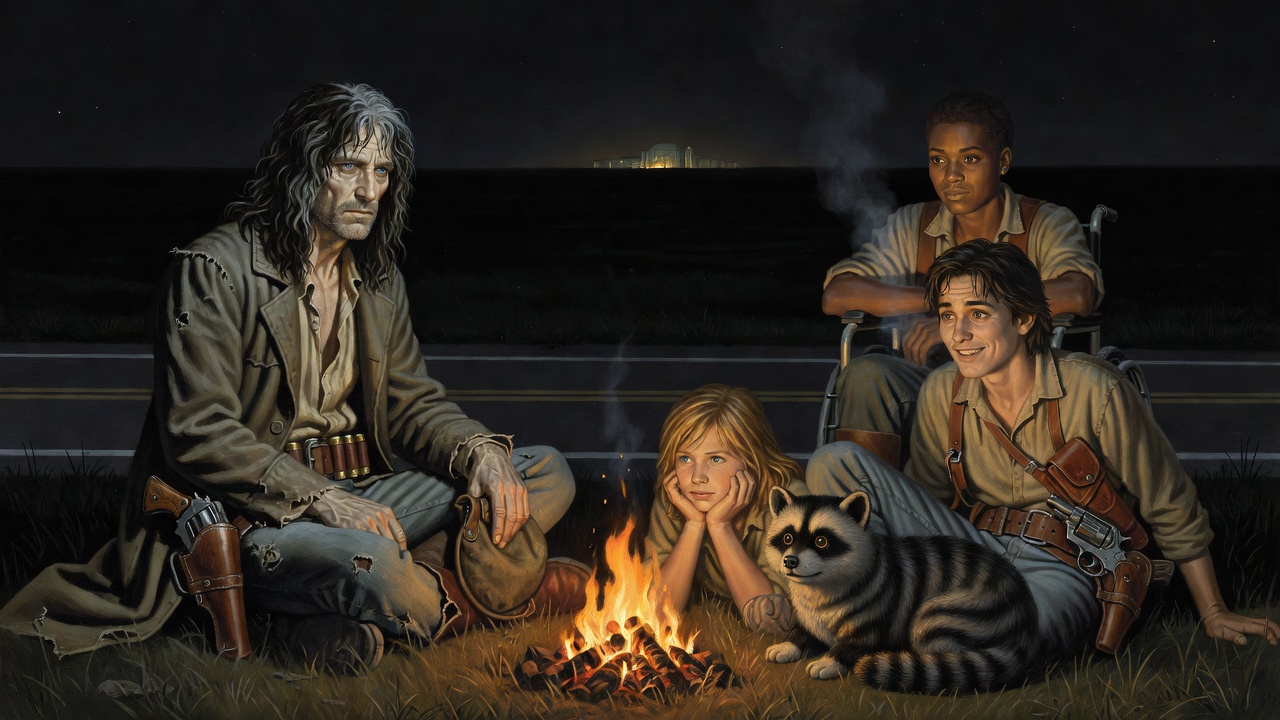
They camp at the Big Springs exit, where Eddie spots a building of glass far ahead across the highway, and Roland says he must tell them about Susan Delgado if he is to go on to the Tower with a whole heart. At the second night’s fire Roland spits out a mouthful of water and Eddie, not knowing why, says “Life for your crop”; Roland goes white. The words belong to the Reaping, and to the worst year of his life. He tells Jake, briefly, what came before Mejis: finding Marten with his mother; winning his test against Cort early, with his hawk David; his father Steven finding him afterward in the lower town and telling him he had known about Marten and Gabrielle for two years. Steven sends him east, out of Marten’s reach.
Part Two: Susan
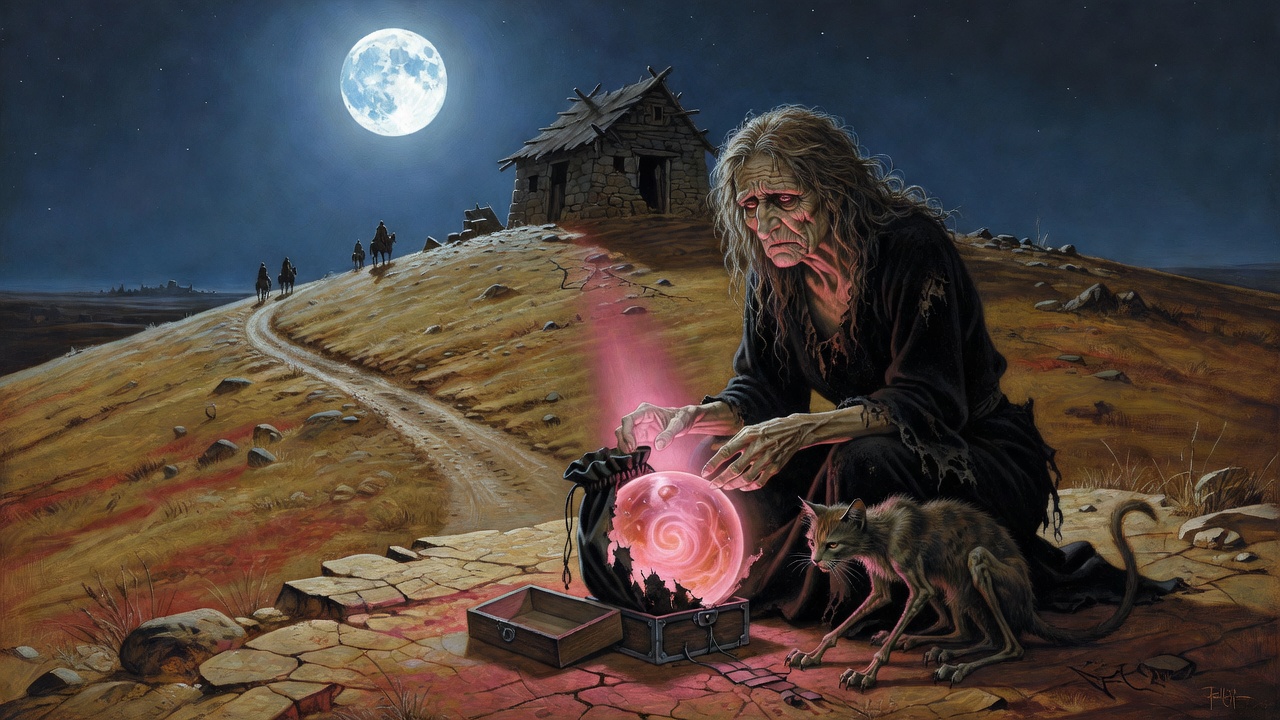
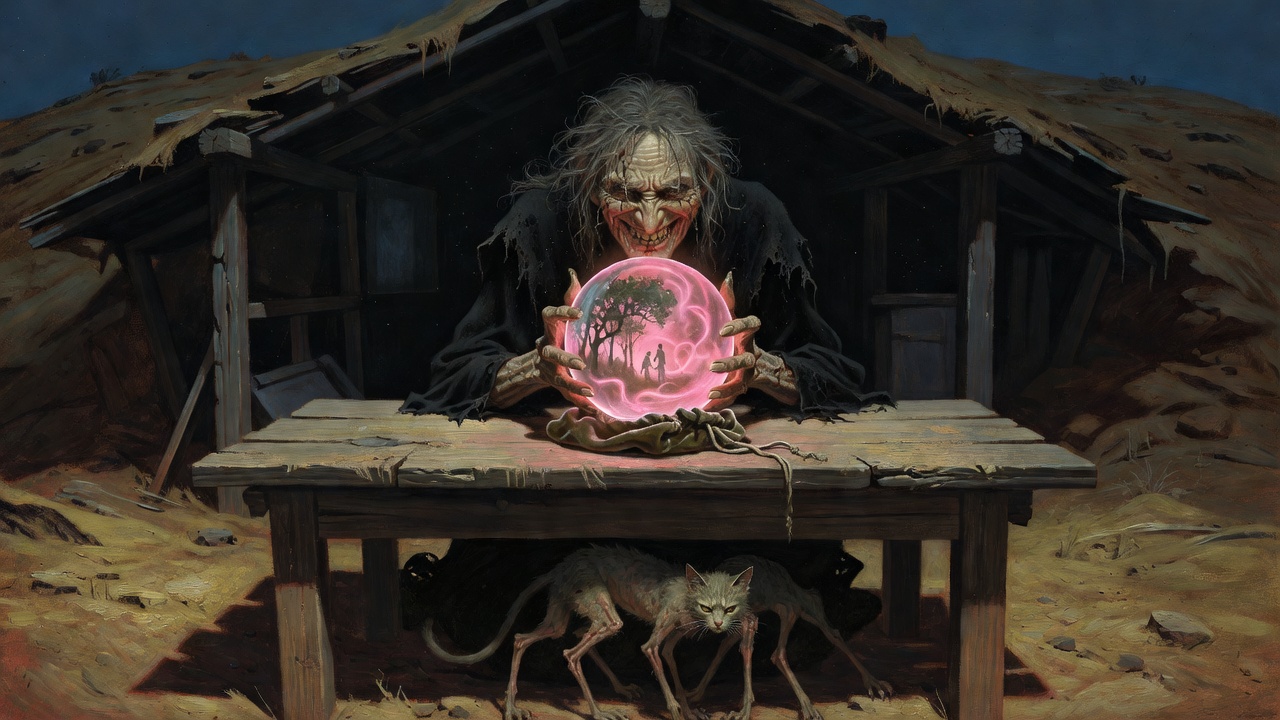
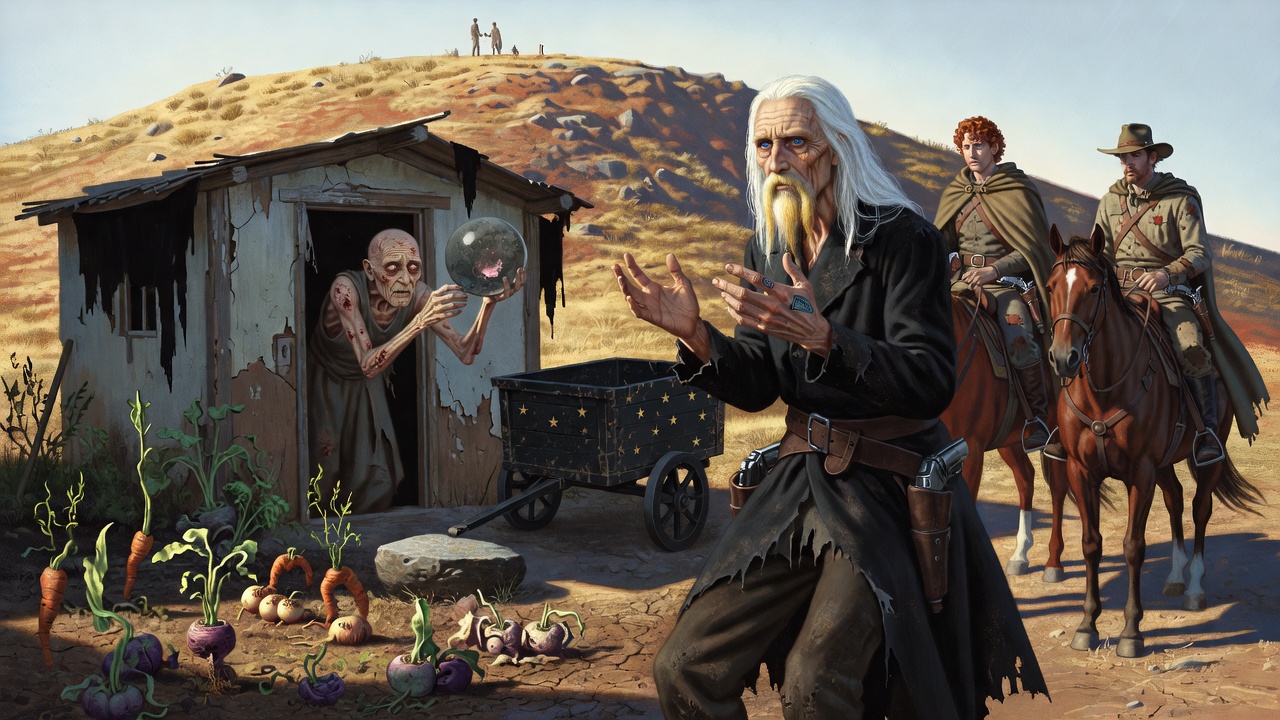
Hambry, seat of the barony of Mejis on the Clean Sea, long before. Under the Kissing Moon three hired guns ride up the Cöos to the hut of Rhea, a witch with a six-legged cat called Musty and a snake called Ermot. Eldred Jonas, Clay Reynolds and Roy Depape, the Big Coffin Hunters, leave her an ironwood box to keep for John Farson’s people. Inside is a rose-pink glass ball. Rhea opens it the moment they are gone and is lost.
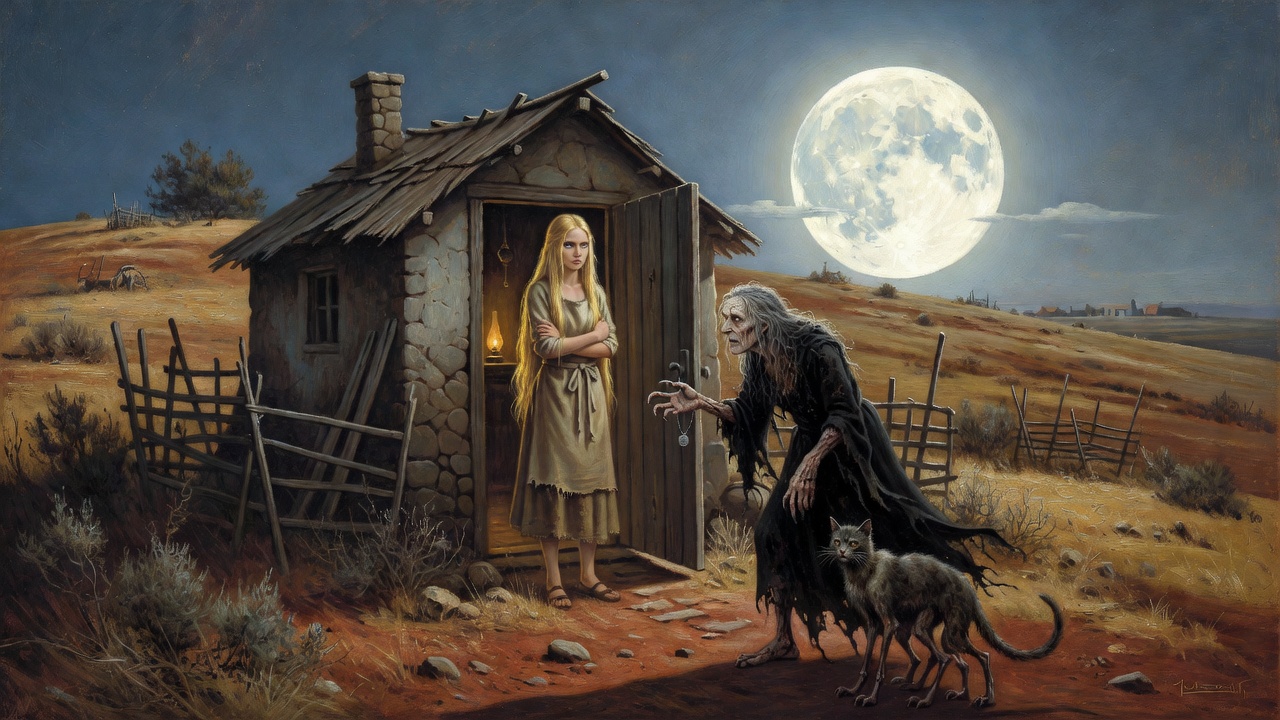
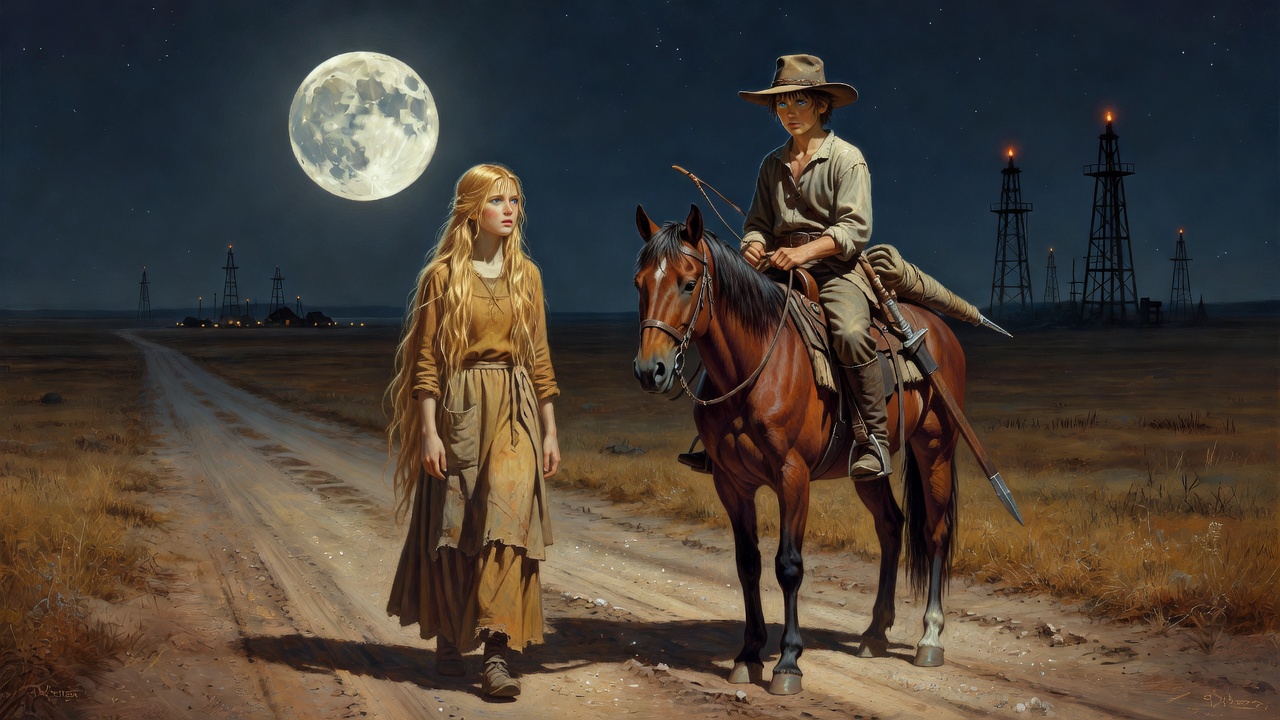
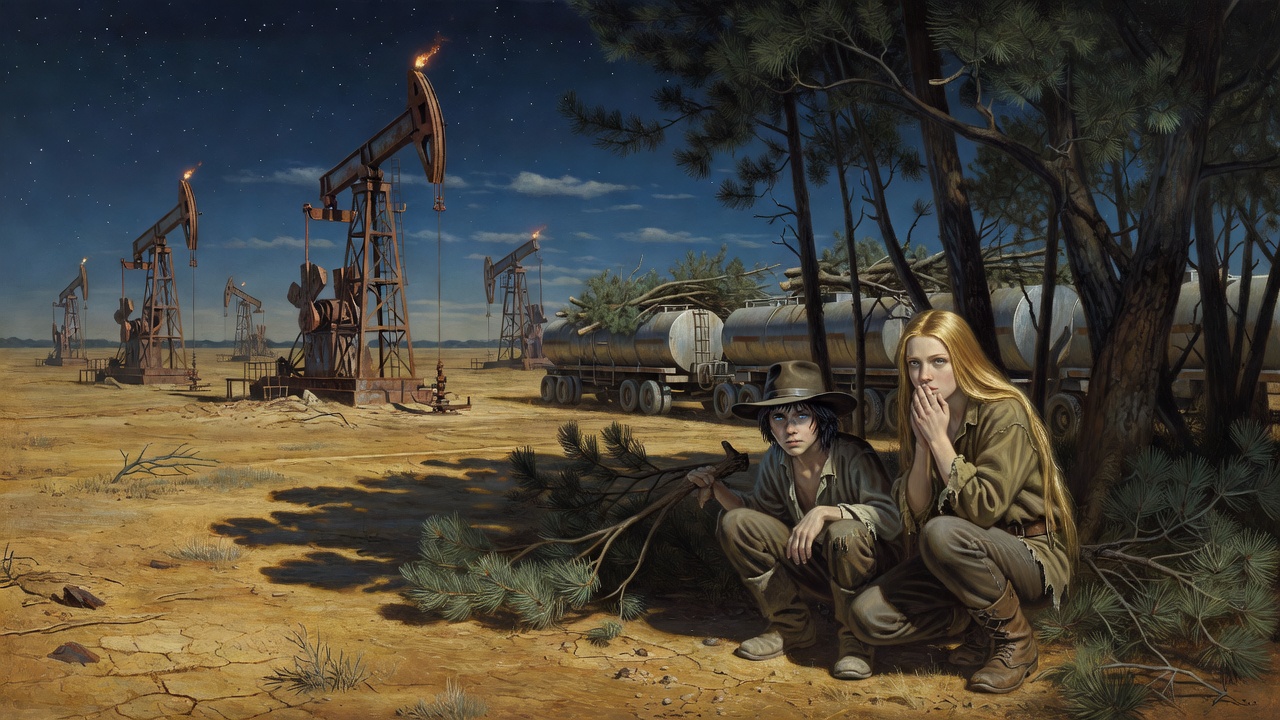
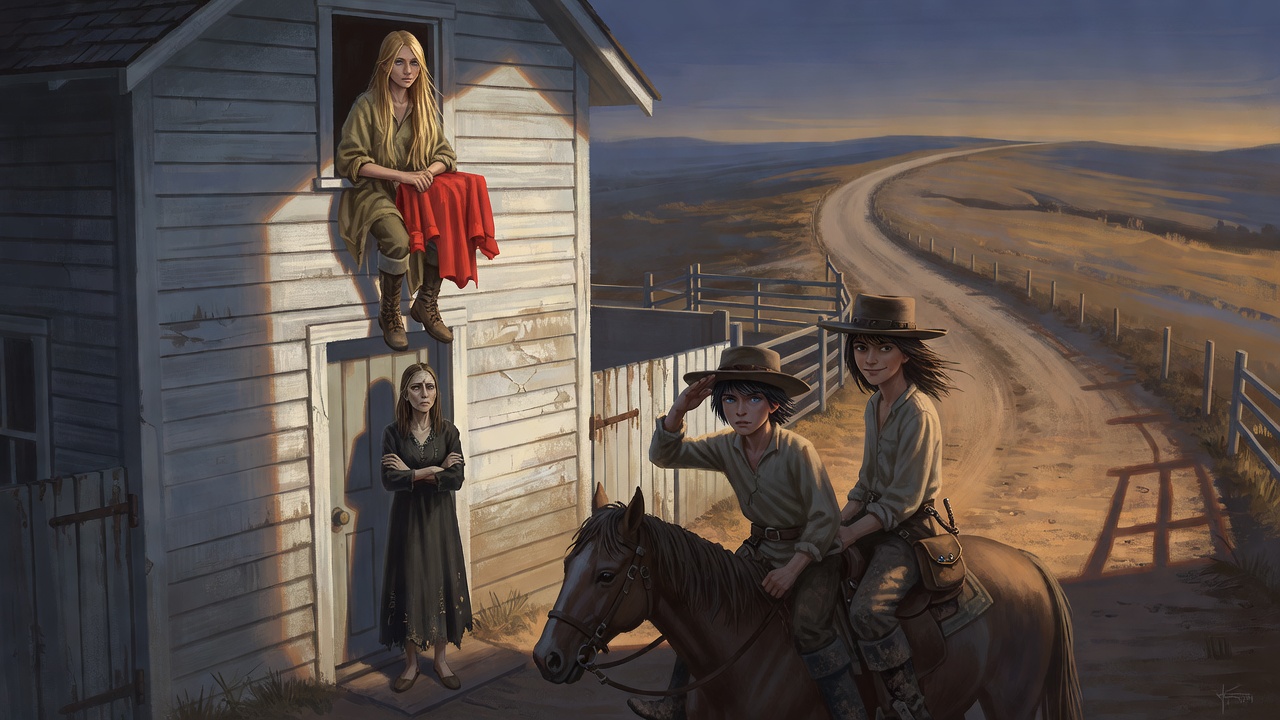
Sixteen-year-old Susan Delgado climbs the same hill the same night. Her father is dead, and her aunt Cordelia has arranged for her to become gilly — a bought mistress — to Mayor Hart Thorin, who will take her once she has been proved honest. Rhea proves her, marks a scrap of paper to say so, and with a silver medallion plants a command for later: when Susan loses her virginity she is to cut off all her hair. Walking home she meets a rider on the Great Road, a boy in a flat-brimmed hat who calls himself Will Dearborn, come with two friends to count stock for the Affiliation. They pass the Citgo oil patch and hear the thinny crying in Eyebolt Canyon. At the edge of town she kisses him.
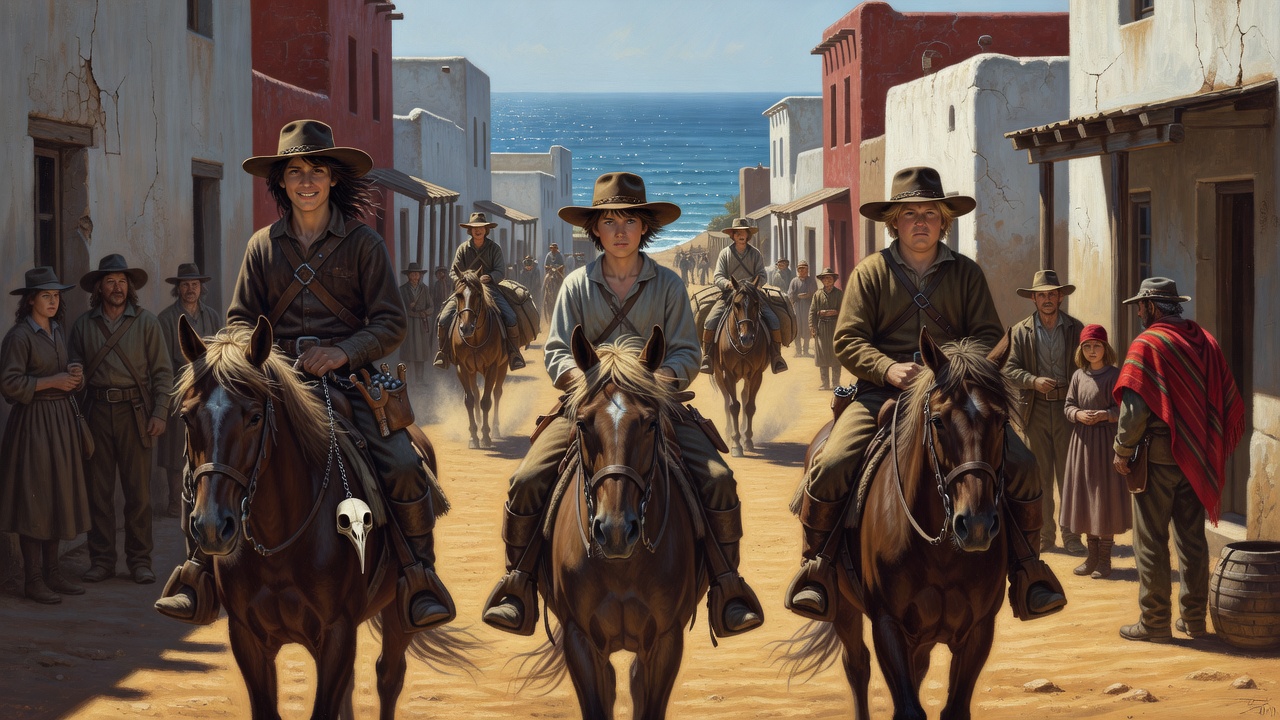
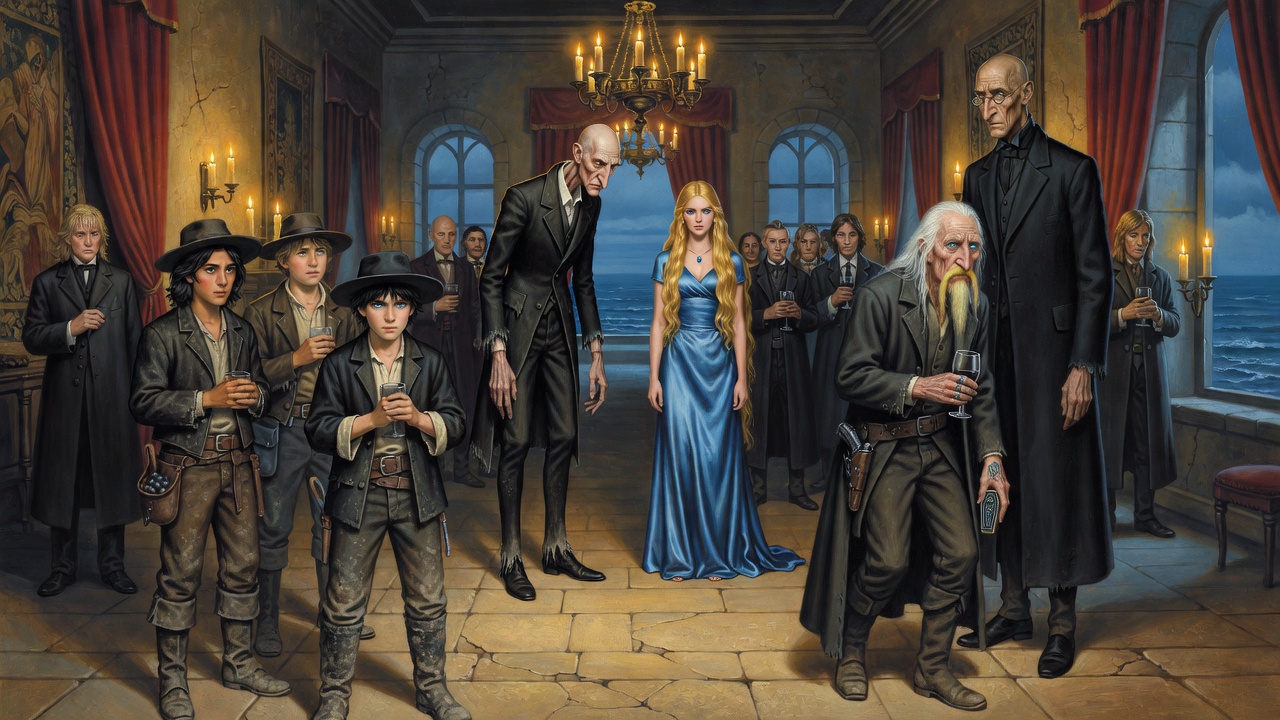
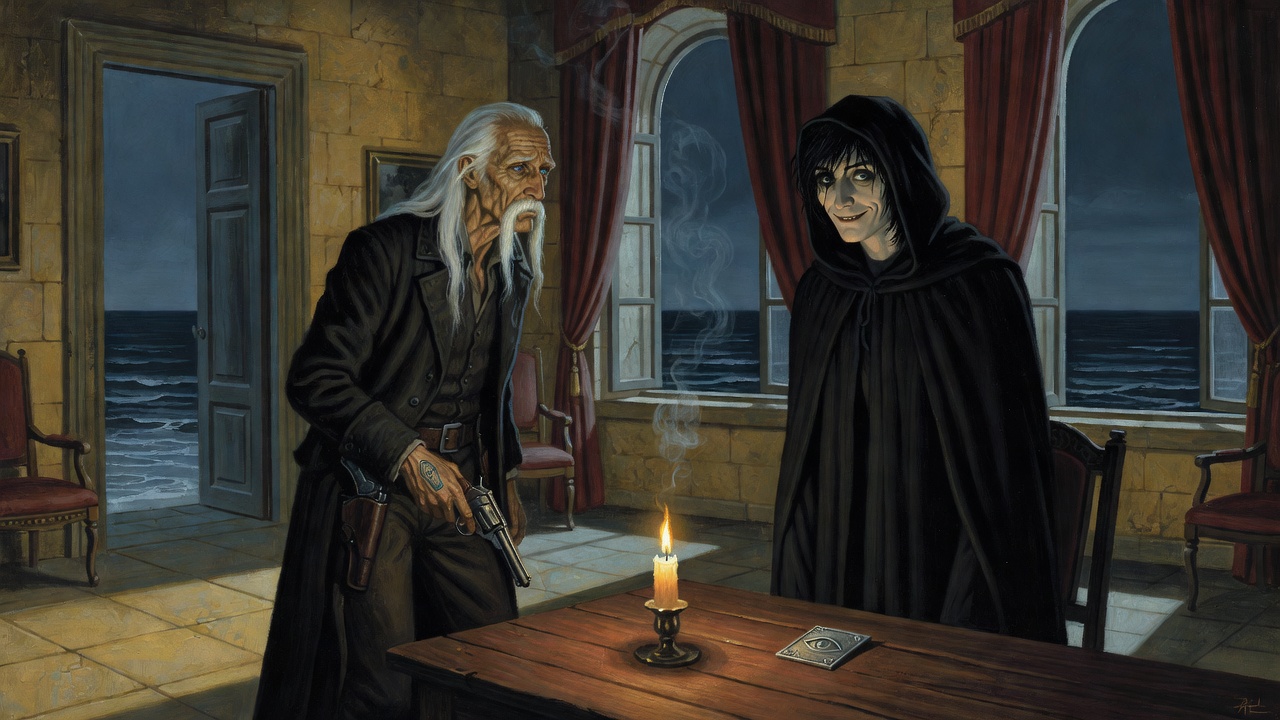
Will Dearborn is Roland; Richard Stockworth and Arthur Heath are Alain Johns and Cuthbert Allgood, fourteen like him, their guns hidden. At a dinner at Seafront, the mayor’s house, they meet the barony’s quality: Thorin, built like a stork; his unhappy wife Olive; his hard sister Coral; the skeletal chancellor Kimba Rimer, who holds the real power; the ranchers Lengyll and Renfrew; and Jonas, long white hair down his back and a blue coffin tattooed on his right hand. Susan, in blue silk, is at the mayor’s side; Coral tells Roland what a gilly is; dancing with Susan, Roland says something cruel and knows it at once.
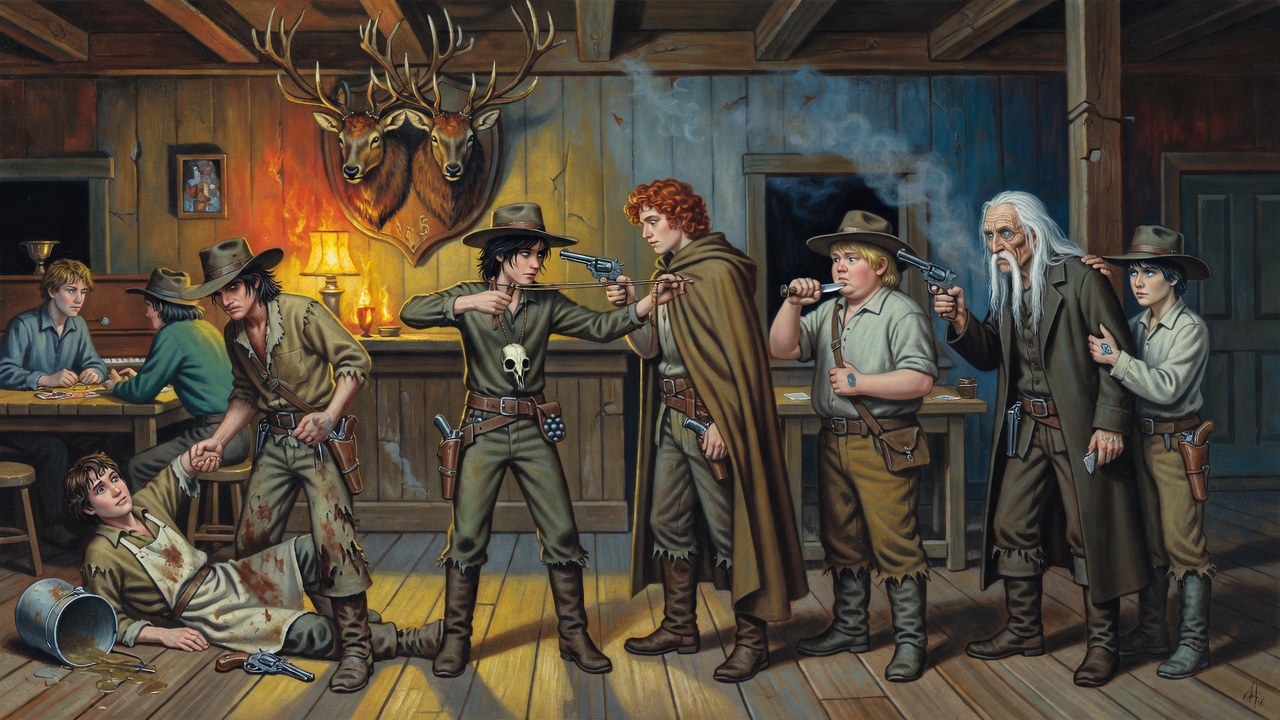
The quarrel comes that night at the Travellers’ Rest, Coral’s saloon. Sheemie, the simple pot-boy, trips and slops his bucket over Depape, who means to make him lick his boots clean. Cuthbert covers Depape with a slingshot, the rook’s skull he calls the lookout swinging on his chest; Reynolds puts a gun to Cuthbert’s neck; Alain, a knife to Reynolds’s throat; Jonas, a gun to Alain’s head; and Roland is suddenly behind Jonas. Sheriff Avery talks both sides down. Nothing is settled.
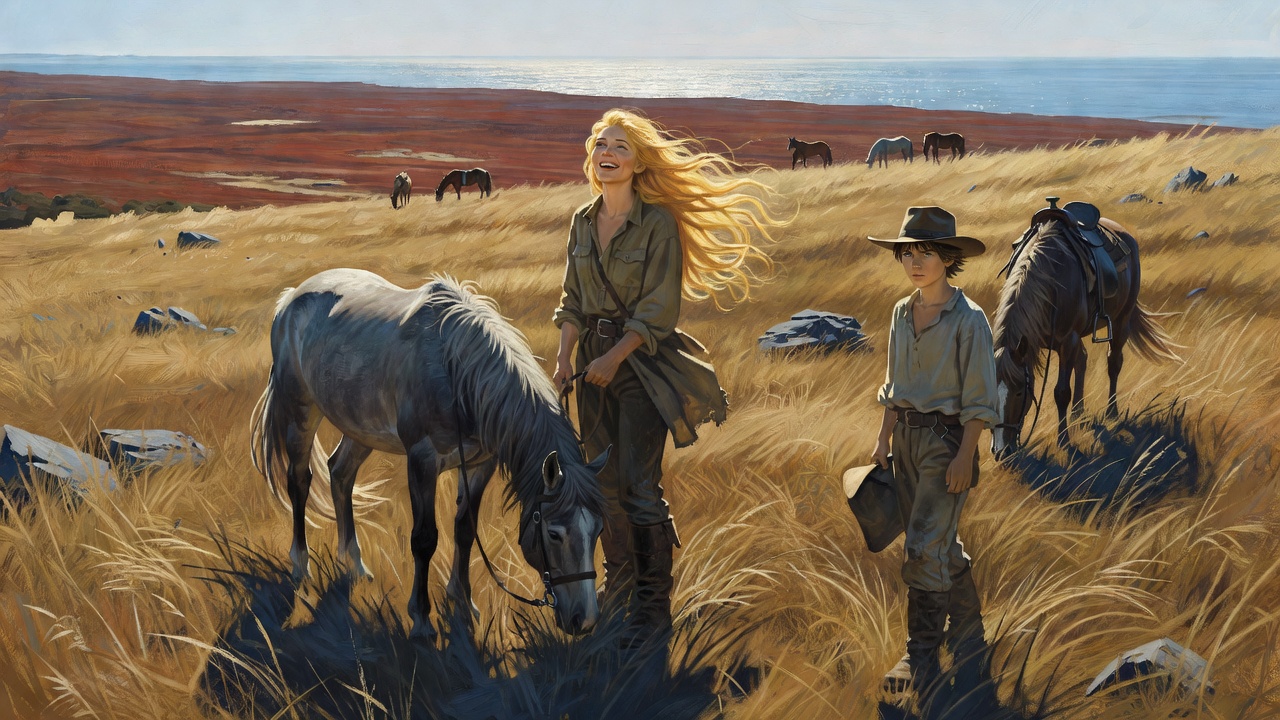
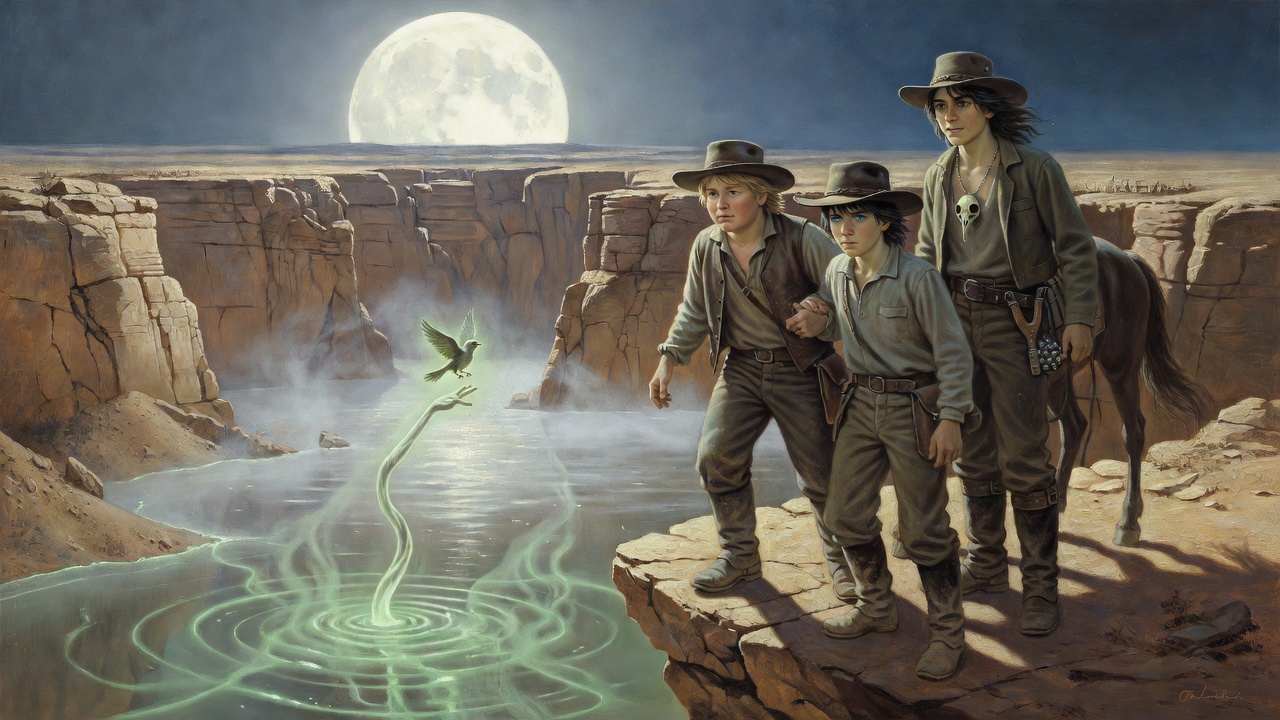
Three weeks pass. On the Drop Roland finds Susan riding her grey Pylon in her dead father’s khaki shirt and apologizes; he tells her he is jealous and in love, and that there are too many horses on the Drop. “These were the best kisses of his whole life.” A pigeon brings word that Farson moves east, and Alain lifts a long blonde hair from Roland’s collar. Depape, on the boys’ back-trail in Ritzy, learns that one of them has the look of Steven Deschain. Under the Peddler’s Moon the boys look down into Eyebolt Canyon at the thinny, which pulls a bird out of the air and calls in voices they know; Alain is walking toward the edge before Roland takes hold of him.
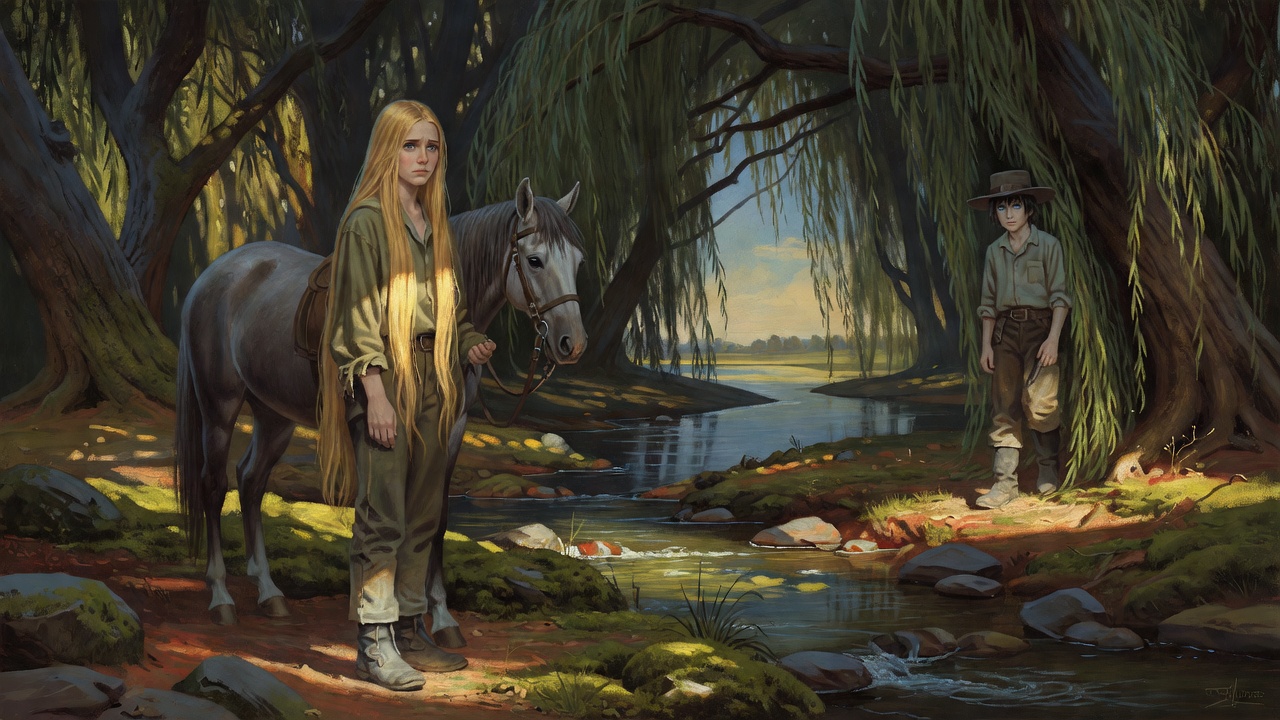
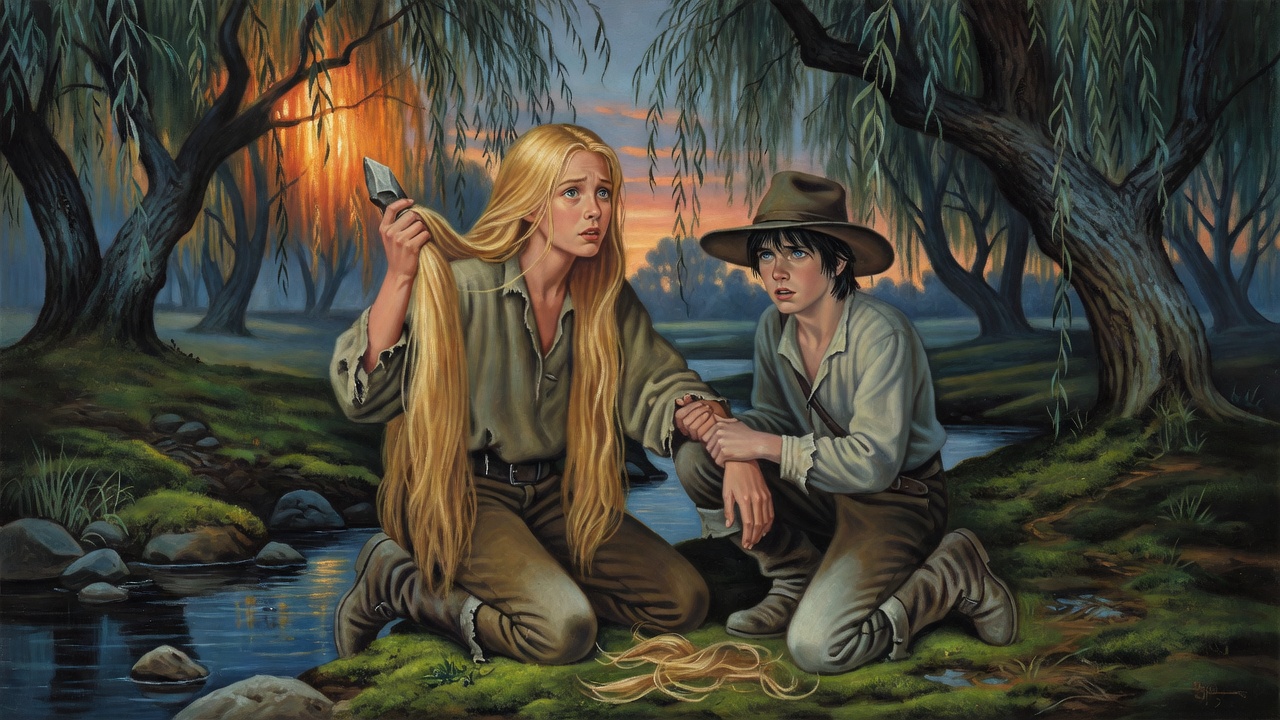
Citgo by night gives them the shape of the conspiracy: hidden in the trees, about twenty-eight silver tankers on wheels, meant to carry oil to the Good Man’s war machines. Roland tells Susan his true name; in an orange grove they kiss, and on the Cöos Rhea watches them in the pink glass until Susan senses something and curses it out of the air. After Thorin paws her at a dress fitting Susan rides to a willow grove by a stream, Roland finds her there, and they become lovers. Afterward she goes blank and begins sawing at her hair with a stone. Roland twists her wrist until it drops; under hypnosis she remembers only the color pink. He wakes her with a rhyme about a bird and a bear and a hare and a fish, and they arrange signals, with Sheemie as go-between.
Part Three: Come, Reap
A short Interlude returns to Kansas: Eddie asks how Roland can know scenes he was never in; the night keeps not ending. Then autumn in Mejis. Stuffy-guys with red-painted hands go up for Reaping, the harvest festival whose bonfire was once a sacrifice; men still mutter “charyou tree” — death tree — when the straw men burn. Riding past her aunt’s house one morning Roland salutes Susan at her upstairs window, the picture of her he will carry for the rest of his life. Cordelia sees it.
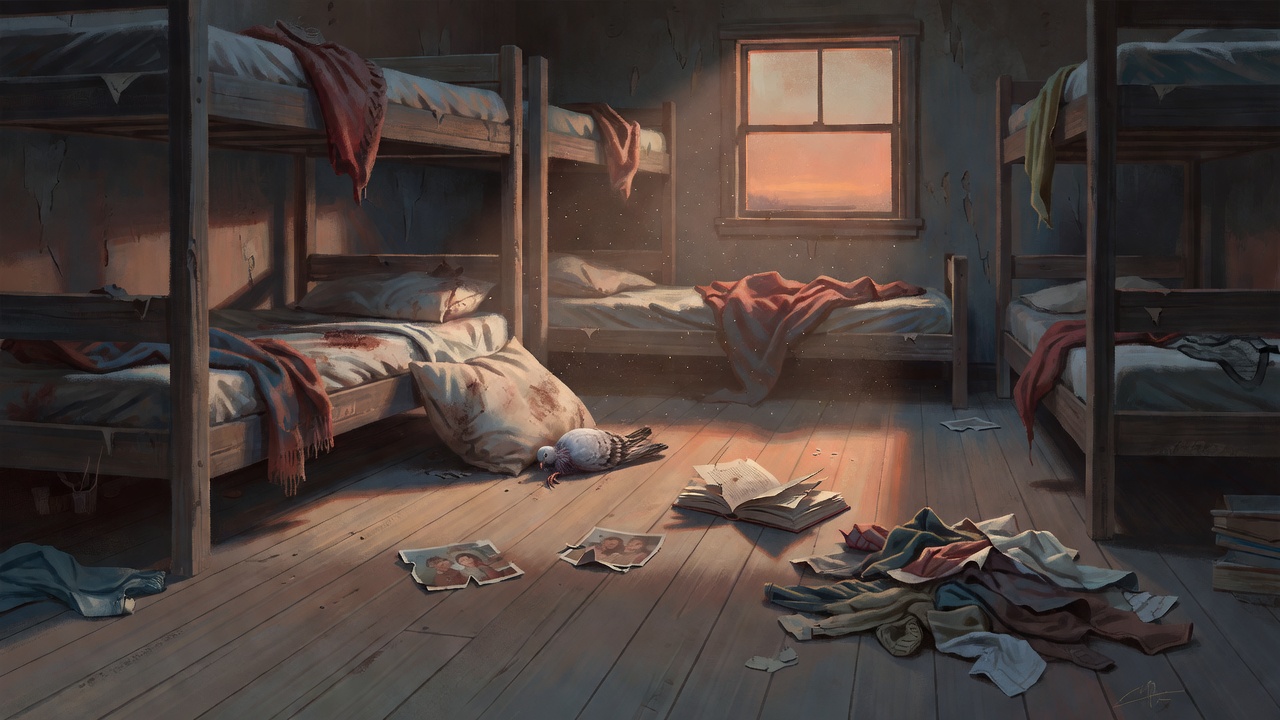
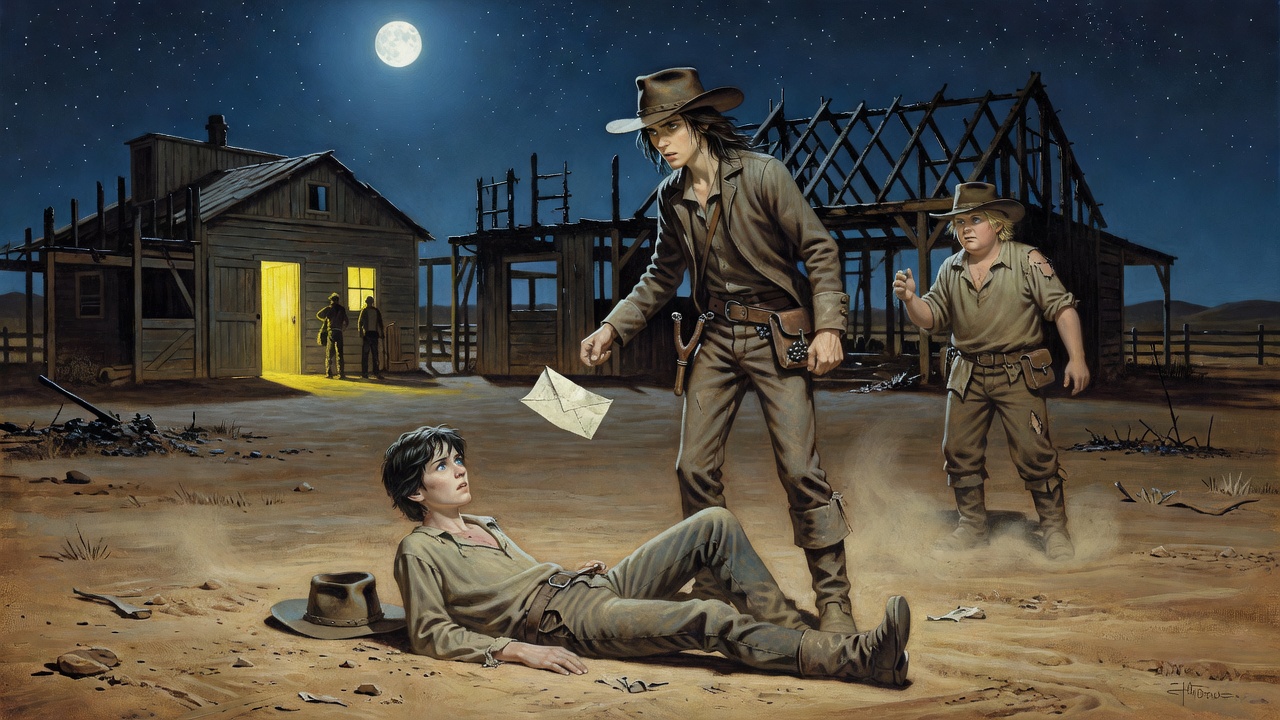
Small objects do the damage. Cuthbert has lost the lookout at Citgo, and Jonas finds it. Cordelia brings Jonas her suspicions. Jonas wrecks the empty Bar K bunkhouse, twists the heads off the messenger pigeons, and pointedly leaves the guns under the floorboards alone. Rhea sends Sheemie into town with a letter for Cordelia; frightened, he gives it to Arthur Heath instead. At Seafront Jonas meets a stranger carrying Farson’s sigul whose face will not hold still: Walter, the man in black. Cuthbert, who has read the letter, knocks Roland down outside the bunkhouse and throws it at him; Roland says he has been a fool, and they put it right with the old oath.
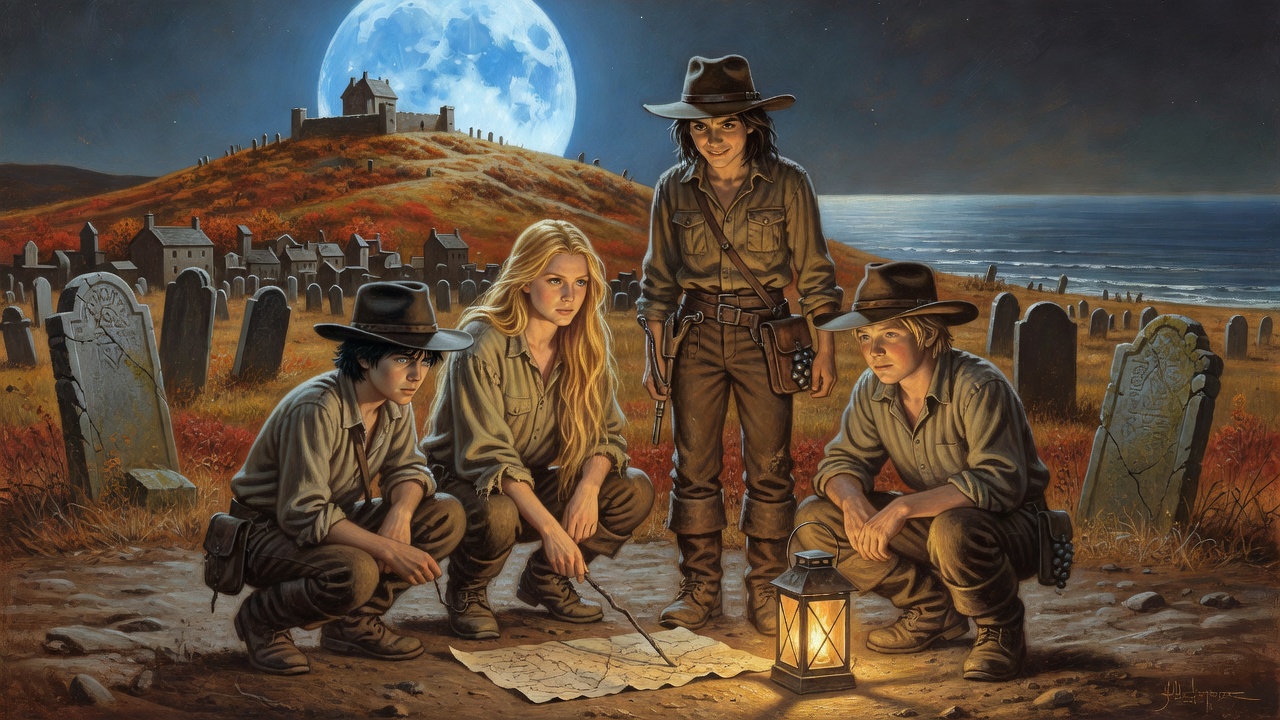
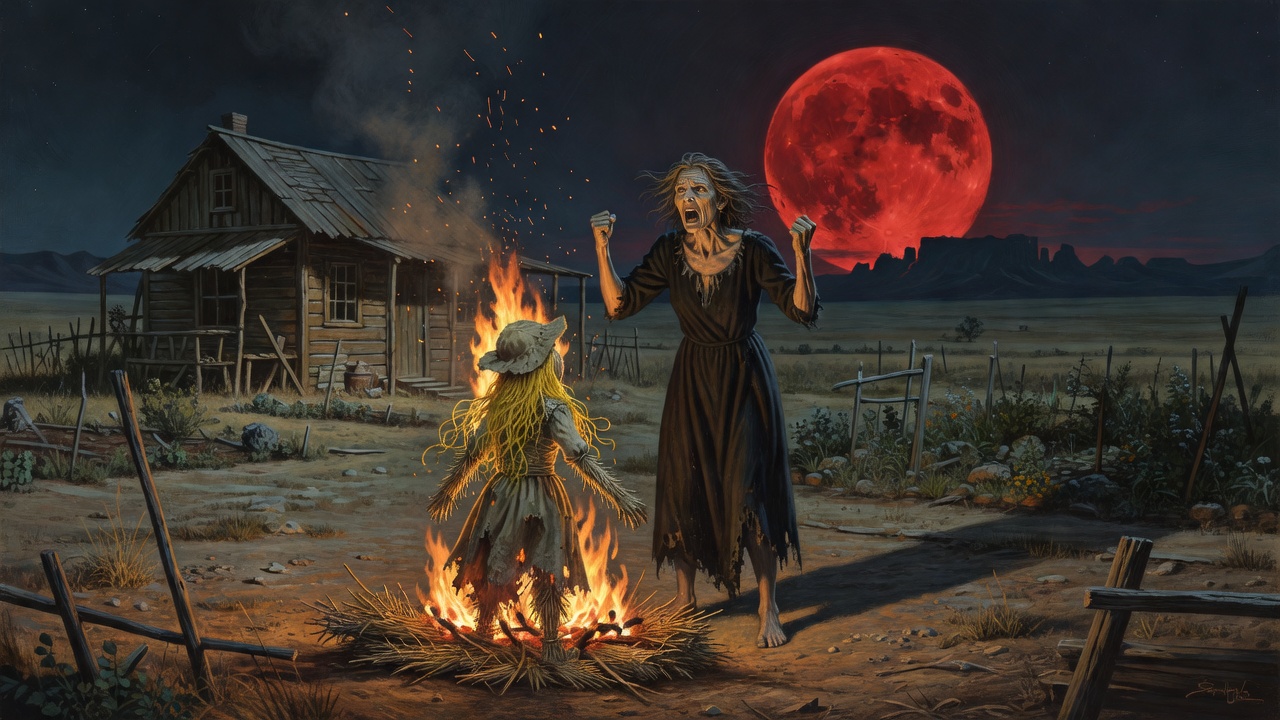
Roland and Cuthbert ride armed to the Cöos and warn Rhea off; Roland shoots Ermot out of a tree, and the witch promises he will pay. Farson’s lieutenant Latigo arrives with about a hundred men; Jonas promises him the boys will be taken the day before Reaping and blamed for the mayor’s murder, a murder not yet committed. In the Hambry graveyard Roland lays the plan before Susan, Cuthbert and Alain: Citgo for bait, the tankers burned at Hanging Rock, then Latigo’s force drawn into Eyebolt Canyon and the thinny. Roland remembers his father’s warning about Maerlyn’s Rainbow: thirteen glasses, the pink one the Grapefruit. At a hut in the Bad Grass Roland shows Susan where his guns are hidden and makes her promise to carry them west to his father if he fails. Two days before Reaping Cordelia burns a stuffy-guy in her niece’s clothes, shrieking “Charyou tree!”
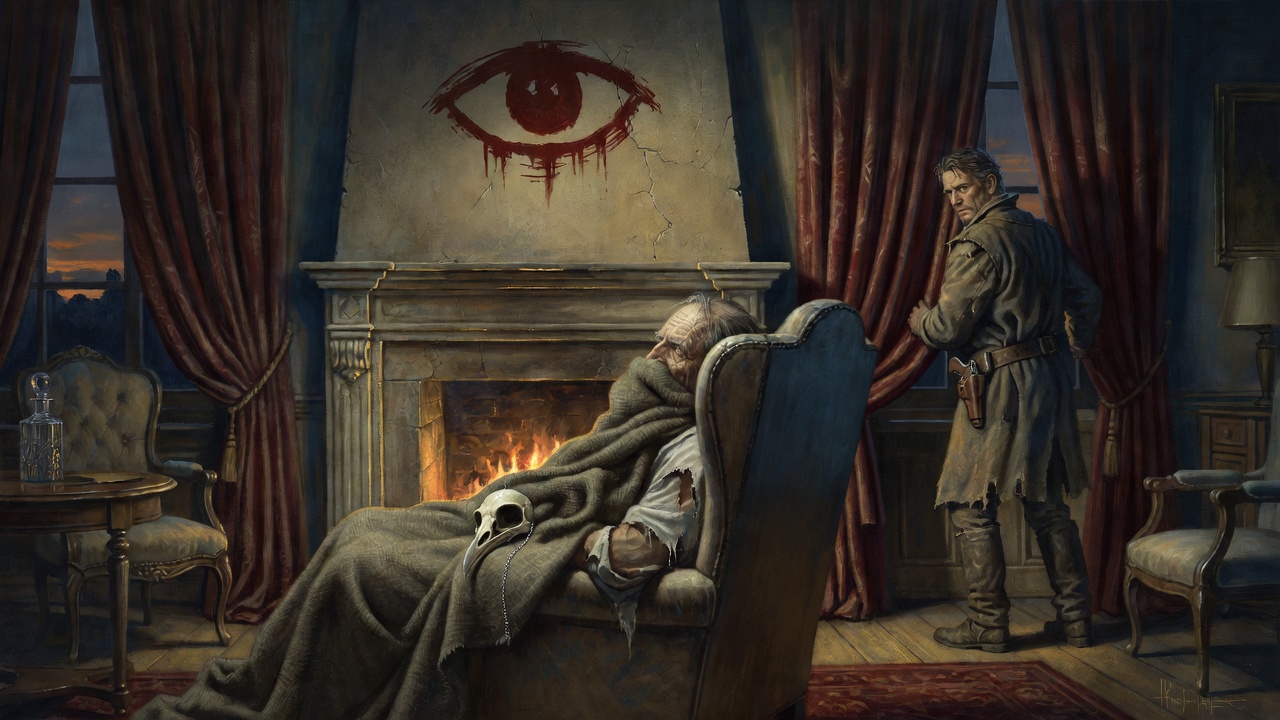
Before dawn on the day before Reaping, Depape cuts Mayor Thorin’s throat, sets the rook’s skull in his lap and draws Farson’s eye on the wall; Reynolds kills Kimba Rimer over an old slight about his cloak. Lengyll’s posse takes the boys at the Bar K; Roland tells his friends not to fight, and riding out under guard he tells Jonas “Old man, you’ve lived too long”. Jonas rides to the Cöos for the glass and finds Rhea a ruin, nearly bald and covered in sores, the ball gone black for her; she will come with it or smash it, so she comes.
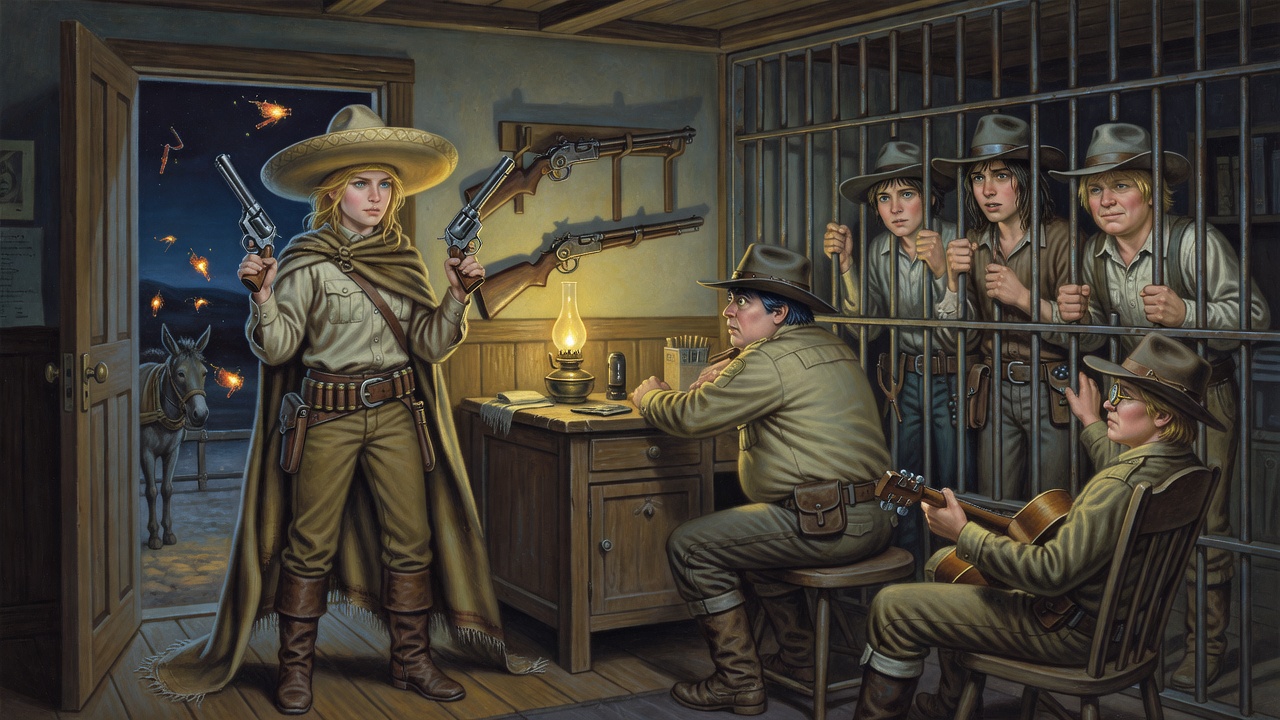
Cordelia, unhinged, flings stove ashes at Susan and curses her; Susan forgives her. After sunset, in a vaquero’s serape and sombrero, she walks into the sheriff’s office with Roland’s guns, shoots Dave Hollis, a deputy of eighteen she has known since childhood, and Sheriff Avery, and unlocks the cells. That night they blow Citgo’s derricks into the sky, and Susan, pregnant, waits with Sheemie at the hut in the Bad Grass. Jonas sees her in the glass and comes for her; she wakes to a cocked gun, spits in his face, and is beaten, tied to a horse and taken to Seafront.
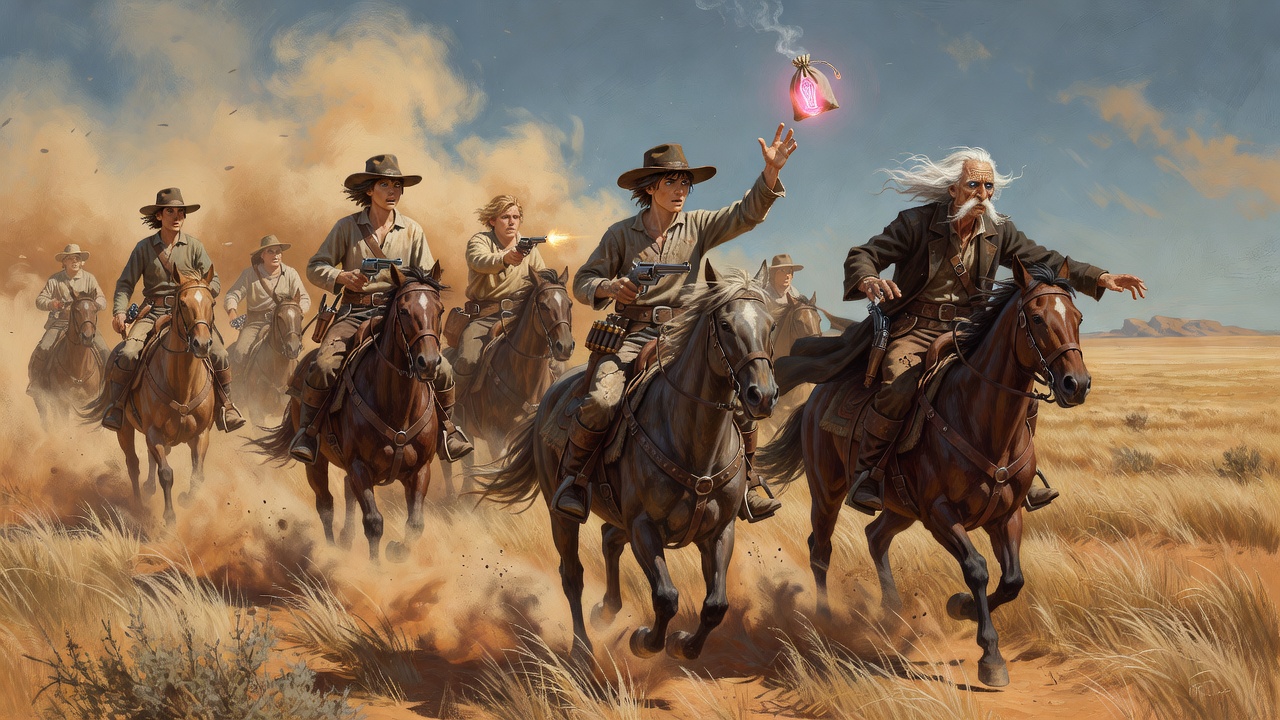
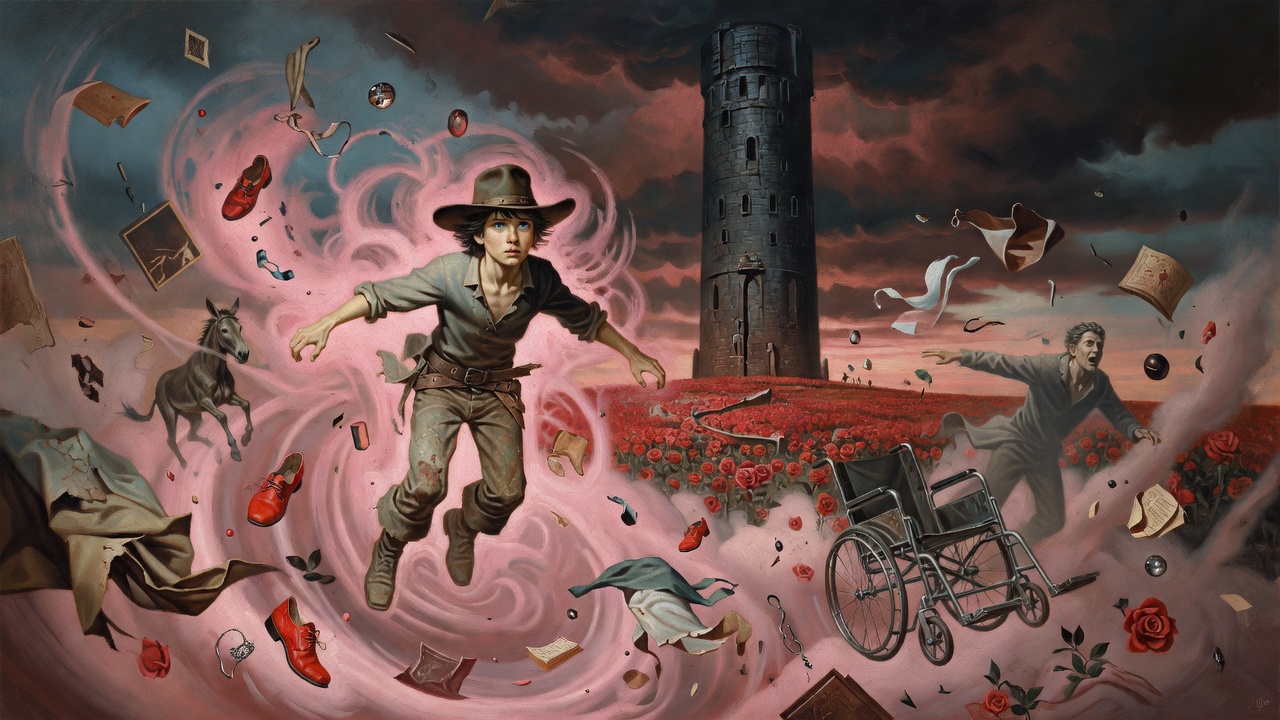
On Reaping Day the boys fall in behind Jonas’s party of nearly forty in the desert east of Hanging Rock, drop the rear riders in silence, then ride the rest down; Renfrew, Lengyll and Depape die. Jonas holds up the drawstring bag and threatens to smash the glass; Roland shoots him through the hand, catches the bag in the air and puts two bullets in his face. Then he opens the bag. In the pink light he rides a storm — Sheb singing, Sheemie’s mule, red shoes tumbling — to the Dark Tower itself, and the Turtle’s voice warns that it will be shut against him. Alain punches him away from it. Susan has been taken and will live, he says, and then the words the rest of the saga grows from: “I choose the Tower.”
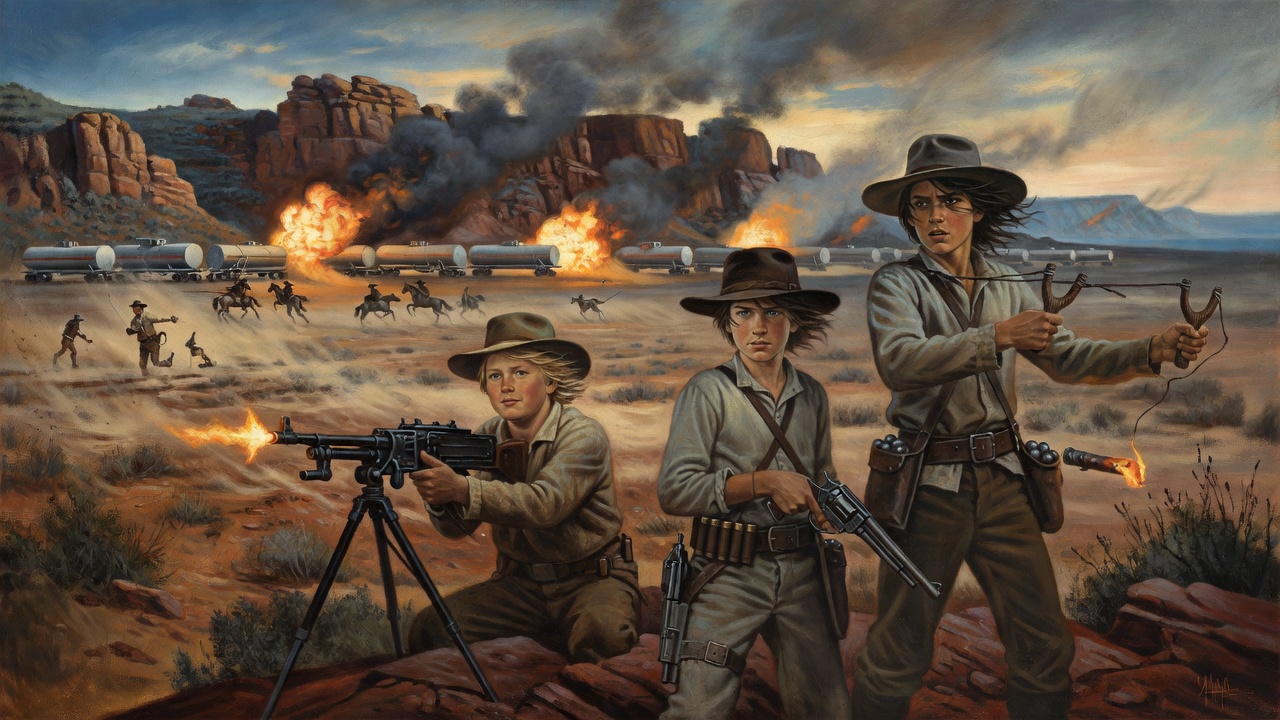
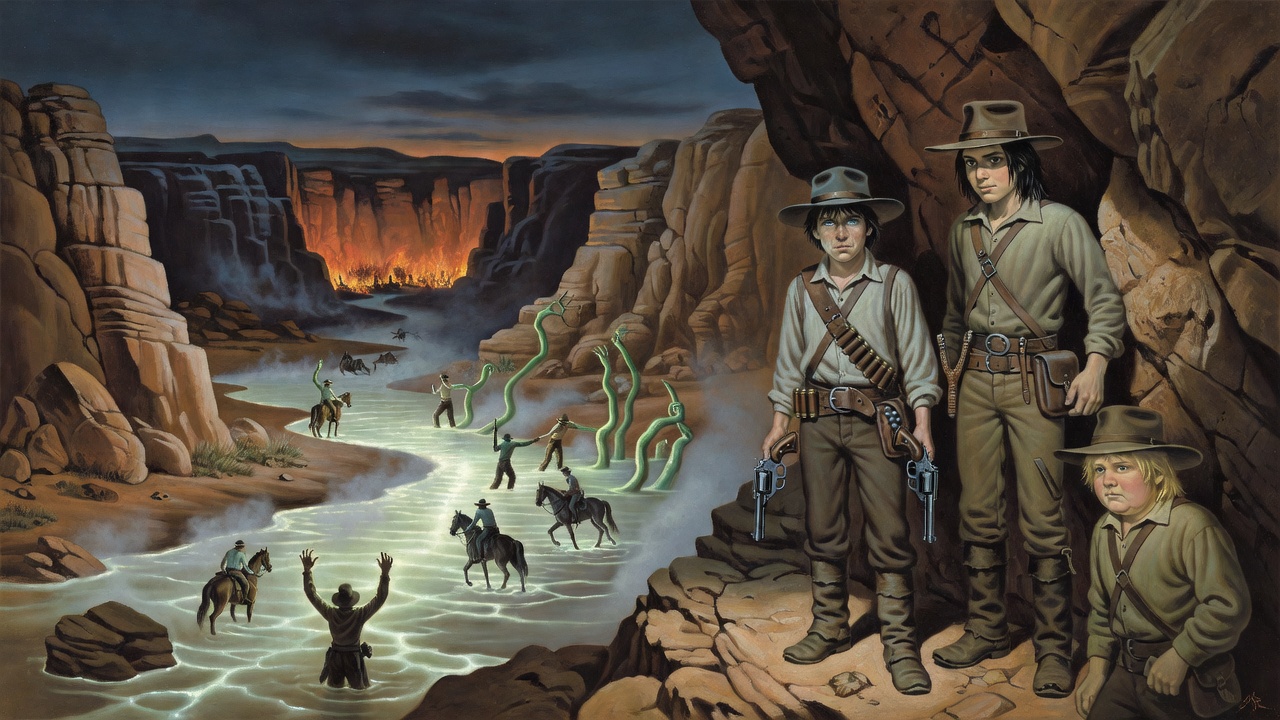
At Hanging Rock Alain rakes the staged tankers with Lengyll’s machine gun, Cuthbert lights them with slingshot-fired big-bangers, and Latigo’s motorized column burns. Latigo chases them into Eyebolt Canyon; the brush fire Roland lights seals the mouth behind him, and the thinny comes up the canyon floor in green hands and a green mouth and takes his men. Latigo, beckoned, drops his gun and walks into it. Cuthbert and Alain, hand in hand, are already walking into it when Roland’s shots break the spell, and the three climb out.
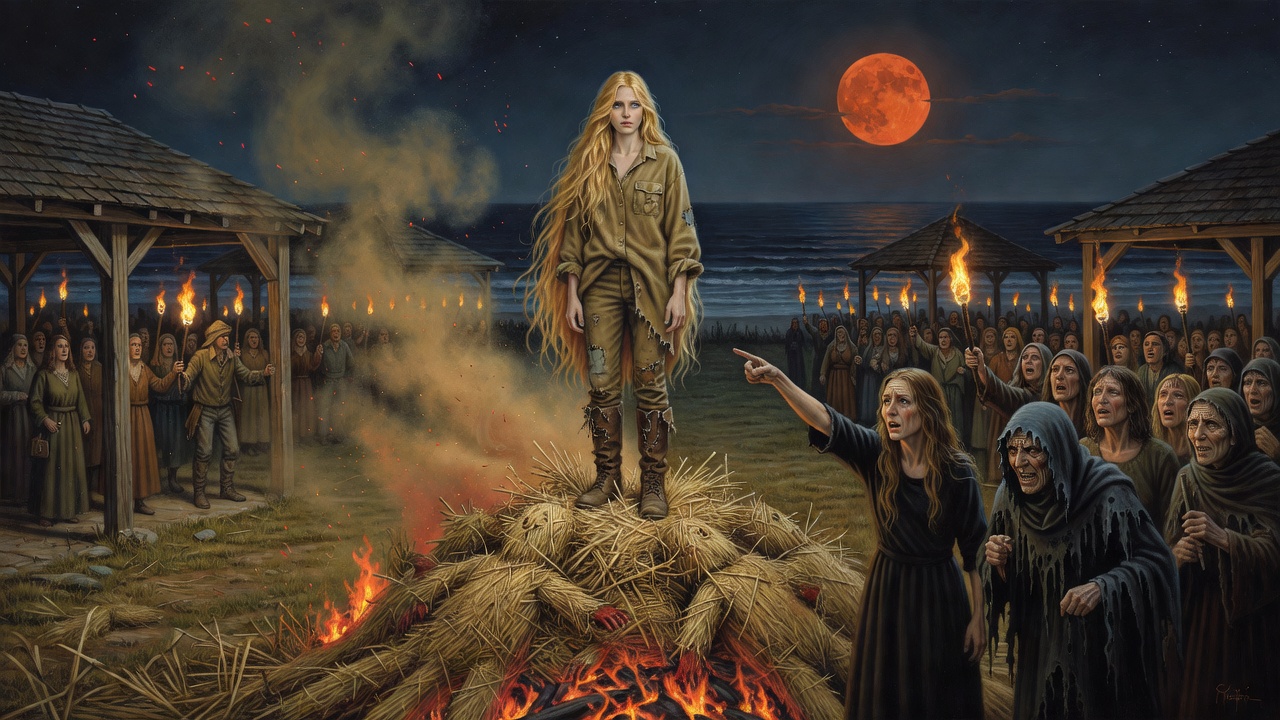
In Hambry, Olive Thorin and Sheemie get Susan out of Seafront; Reynolds’s riders run them down on the road, Olive’s old pistol jams, and Reynolds shoots her. Susan is bound, paraded through town in Rhea’s cart, pelted and painted red, and put on the Reap bonfire among the stuffy-guys at Green Heart, her aunt and the witch at the head of a crowd chanting “charyou tree”. Cordelia is dead before the fire burns out. Roland watches all of it in the glass until Cuthbert aims a revolver at the ball and it goes dark. His friends carry him west, catatonic, and Part Three ends.
Part Four: All God’s Chillun Got Shoes
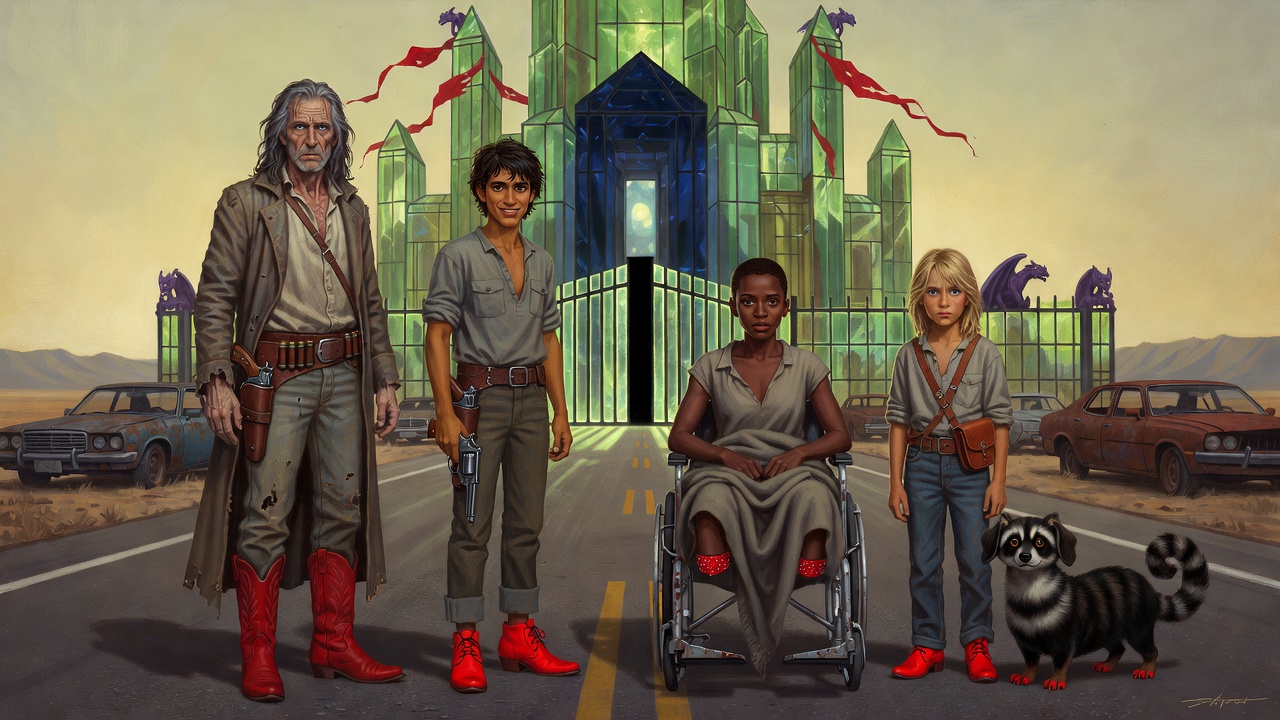
Dawn in Kansas; one night, Roland says, has passed. Asked about Sheemie, he says the boy followed them home and later went questing with them as a kind of squire, and stops. He looked into the glass three more times after Mejis, he says; it is a thing made to hurt. On the interstate red shoes wait in a row: four pairs, and four booties for Oy. Jake explains the Wizard of Oz, and Roland grasps the point: Dorothy already had what she went looking for.
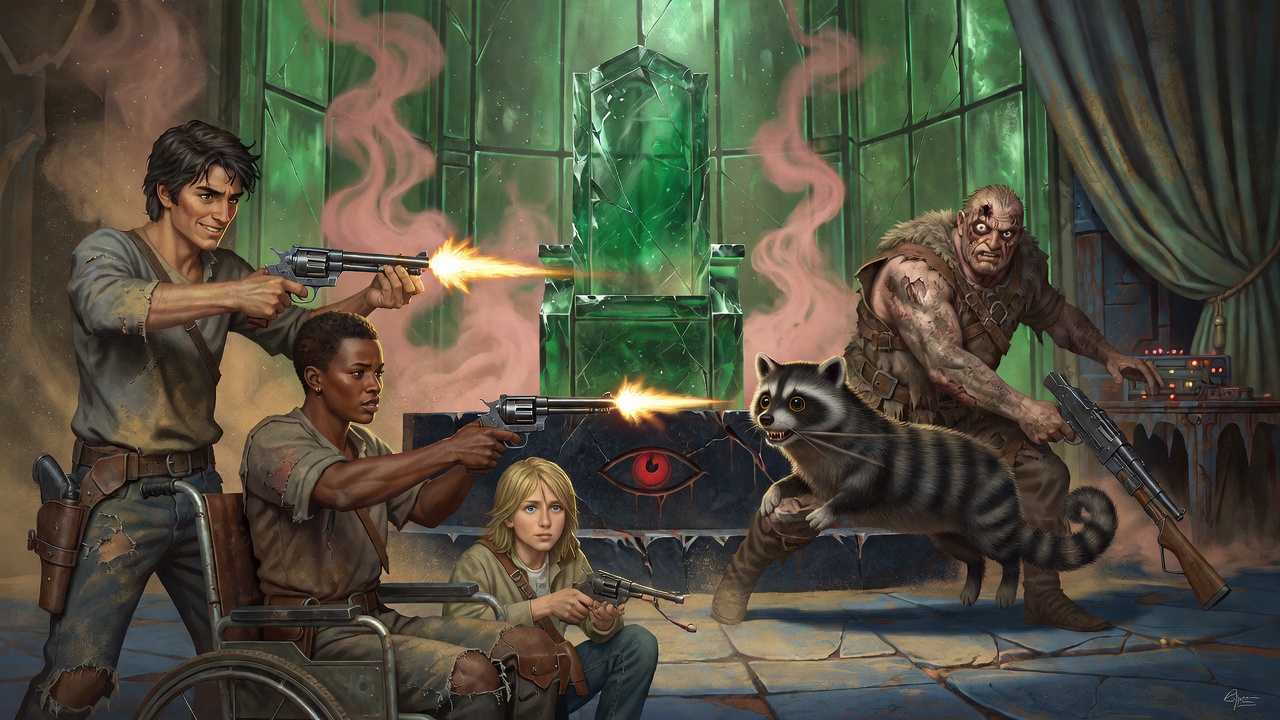
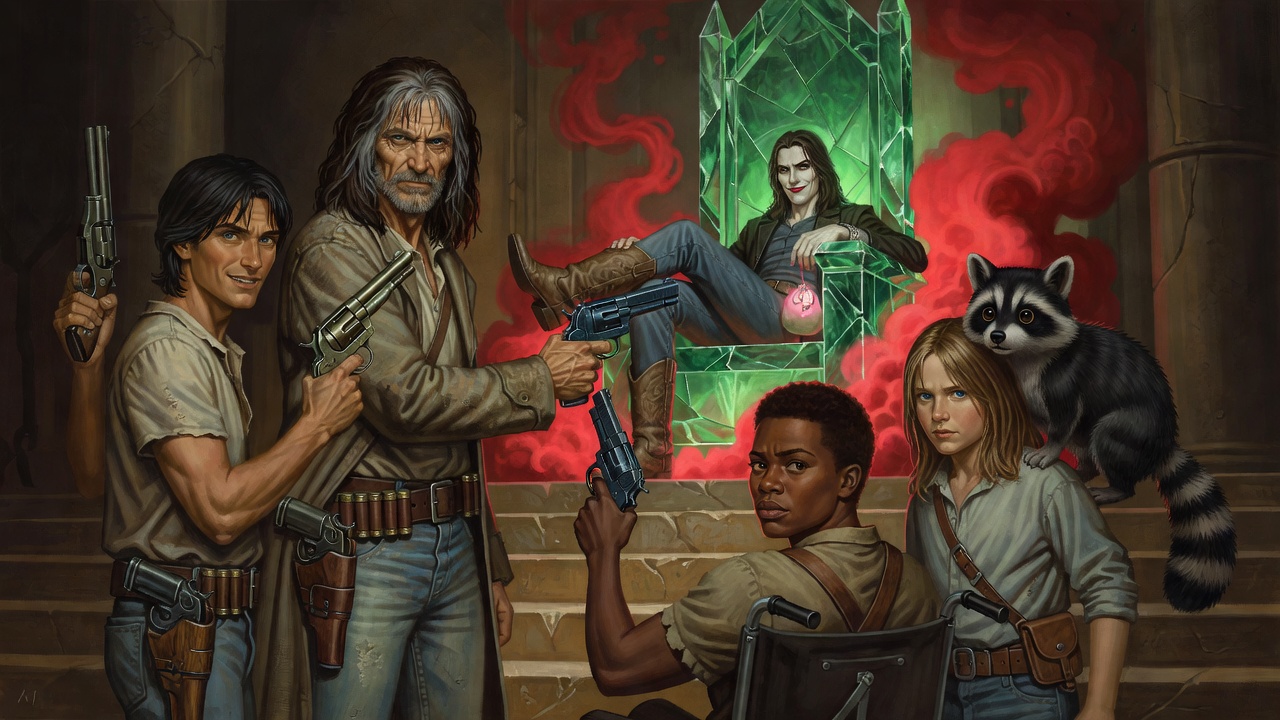
The Green Palace spans the highway, its gate thirteen glowing glass bars with a black one in the middle; all five click their heels and the black bar shatters. The throne room is a stage set, down to Blaine’s route map, and Oy pulls back a curtain on the man working it: the Tick-Tock Man, alive since Lud. Then a man in jeans, a dark jacket and rundown cowboy boots is sitting on the throne with a drawstring bag in his lap. He sets Tick-Tock on them; Oy bites; Eddie and Susannah shoot him dead with Roland’s guns. Roland knows the man as Marten Broadcloak; he calls himself Flagg now, and offers easy lives if they give up the Tower. All refuse. Roland’s revolver only clicks on him; when Roland draws Jake’s Ruger, Flagg drops the glass and is gone in red smoke.
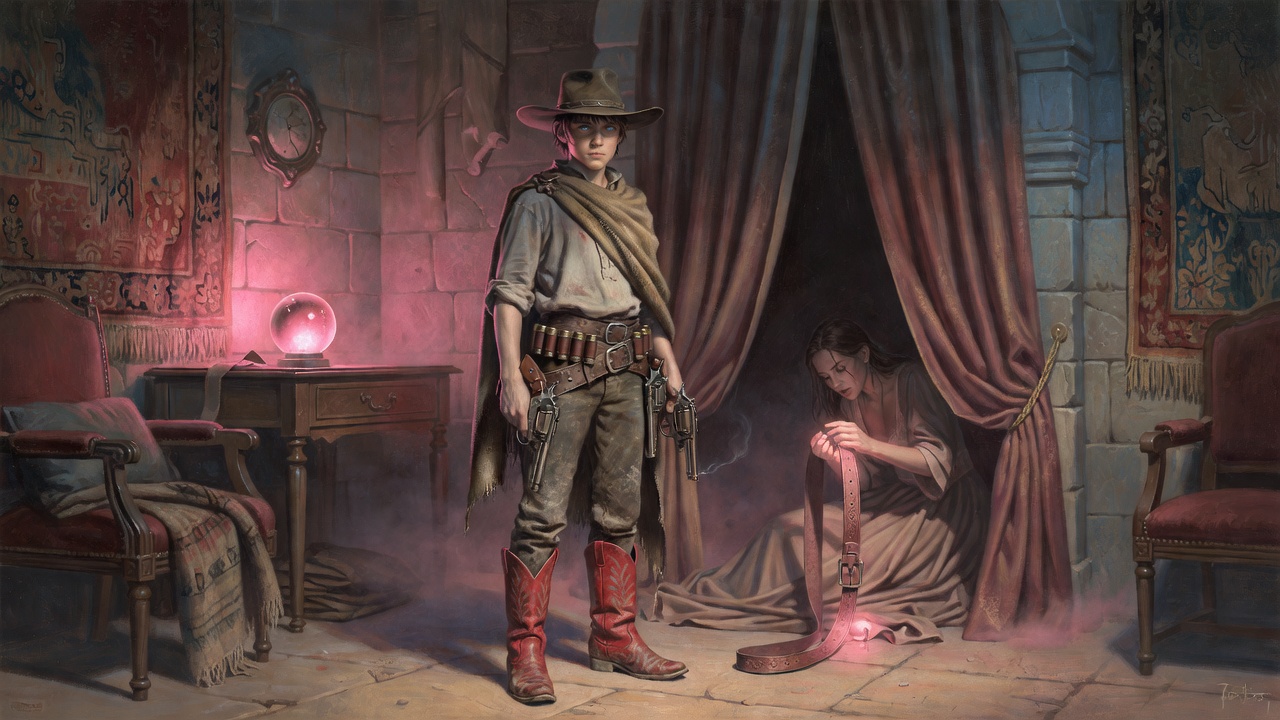
They go into the glass together and watch the boy Roland, home from Mejis, go to his mother’s apartments in Gilead. Gabrielle, who has stolen the glass, comes out from behind a curtain with something in her hands that looks like a snake; it is a belt she has made for him. The glass shows him Rhea instead, and he fires. This is the first time the series tells how Roland killed his mother.
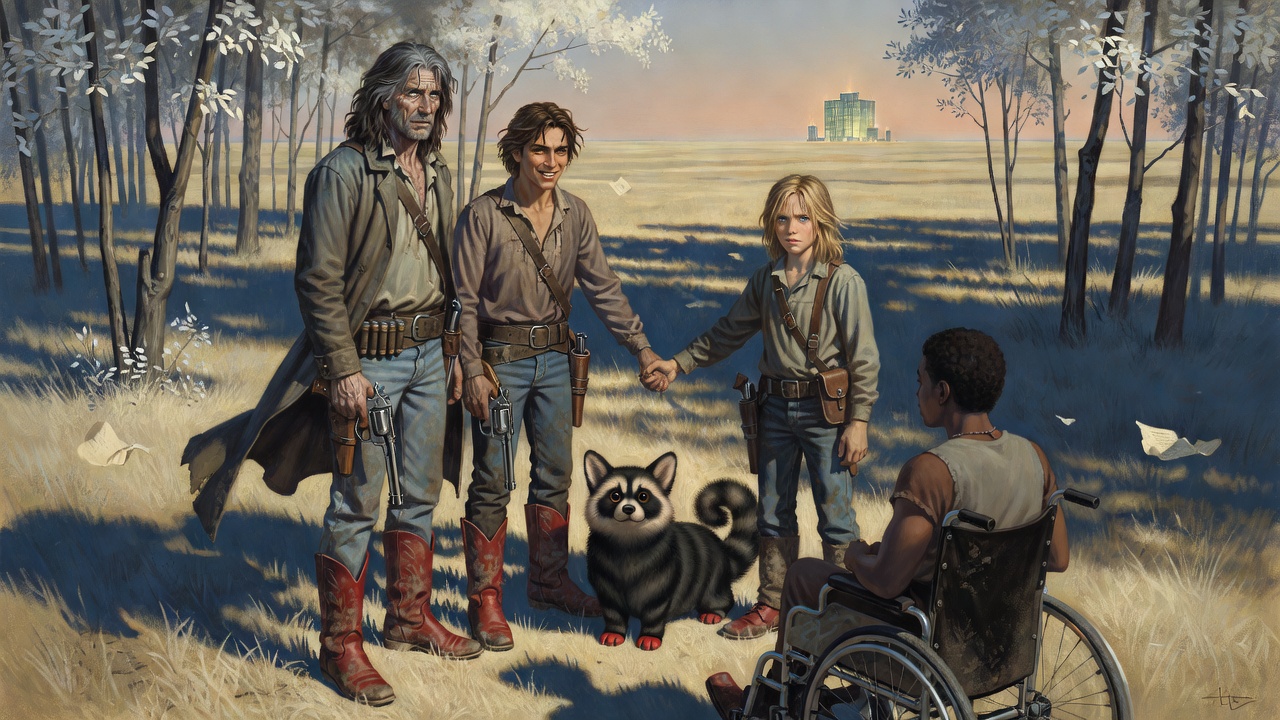
They wake in a grove of white-leaved trees thirty miles on, with a note signed R.F. giving them a last warning to renounce the Tower. Roland offers to release them — “I get my friends killed.” — and Susannah says ka holds them, and Eddie says it is ka, and Roland says, “Kaka.” He saw Rhea again, he adds, later. Five wanderers join hands, say their oath, and turn back toward the Path of the Beam.
What the 2017 film took from this book
- The film draws mainly on Books I and III. Nothing of Mejis, Susan, the Big Coffin Hunters, Blaine’s riddling or the Green Palace reaches the screen; Roland’s father appears only in memory and dies on screen at Walter’s word, which no book does.
- The creed Roland teaches Jake (“I do not aim with my hand...”) is Cort’s catechism; in this book its lines surface in Eddie’s head as he riddles Blaine to death. The film presents it as something Roland has not spoken since his father’s death.
- The “All hail the Crimson King” graffiti Walter walks past in New York echoes this book’s I-70 sign graffiti, and the red tear over the city is the film’s unnamed version of a thinny.
- The 2016 plan for a companion television series would have drawn on Wizard and Glass (with The Wind Through the Keyhole and The Gunslinger), with a younger actor as young Roland; it lapsed after the film failed, and the 2019 Amazon pilot that followed took its story mainly from this book and was never aired.
Continuity notes
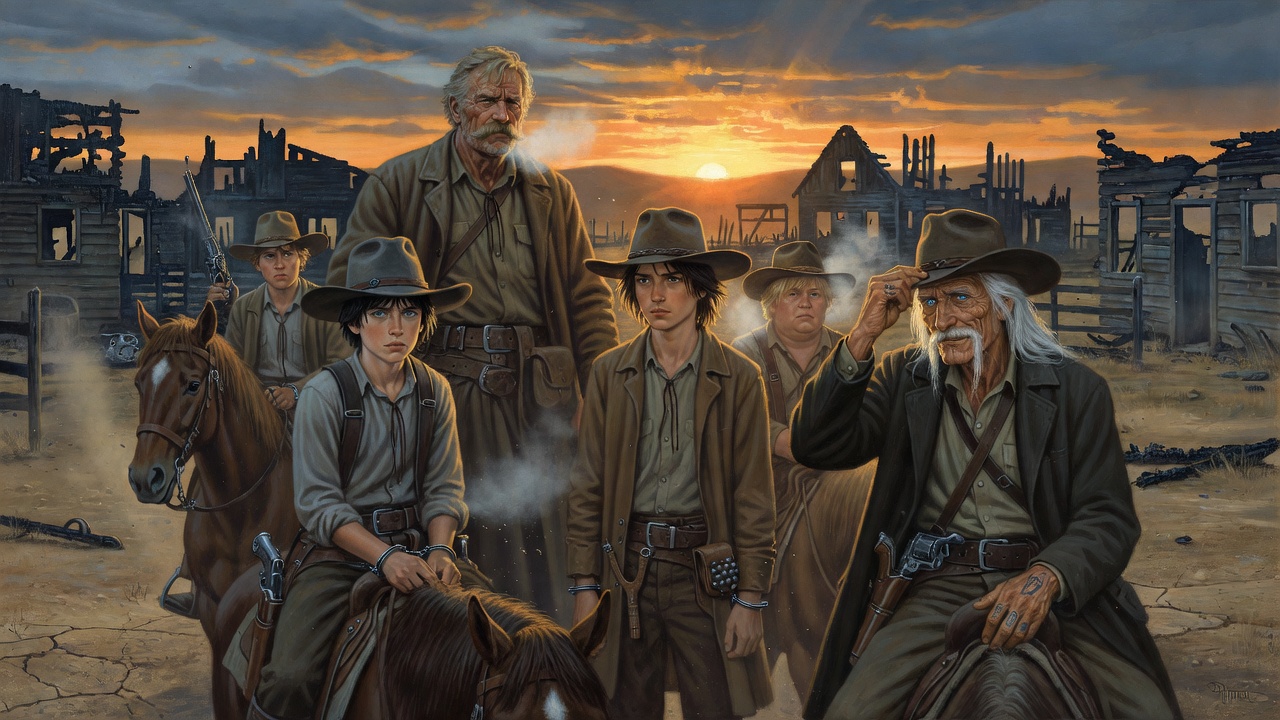
- Roland’s hand: right hand two fingers short throughout the frame story. In the flashback he is fourteen and whole, calling himself Will Dearborn, with his guns hidden under the Bar K bunkhouse floor until Reaping Day. The sandalwood guns are still on Steven’s hips when he sends Roland east (he will not send him “with a pair of sorry ‘prentice revolvers”), and Jonas, finding the boys’ guns, sees that Roland’s pair are not gunslinger guns; which guns they are is not named, so the frames show plain revolvers.
- Susannah’s chair: she boards Blaine without one (left in Lud) and takes a new wheelchair from the Topeka station’s handicapped parking; she rides it from there on.
- The guns on the trail: Eddie wears one of Roland’s revolvers and empties one into Blaine’s route map; in the Green Palace Eddie and Susannah kill the Tick-Tock Man with Roland’s guns, and Roland draws Jake’s Ruger on Flagg after his own revolver only clicks.
- Jake: Riddle-De-Dum! and Charlie the Choo-Choo; his father’s Ruger stays with the ka-tet (Eddie tries its bullets against the thinny; Roland draws it on Flagg); red oxfords from the Green Palace on.
- Oy: present throughout, confirmed as a member of the ka-tet; pulls the curtain on Tick-Tock; red booties.
- Deaths: Blaine; in Mejis, Mayor Thorin, Kimba Rimer, Dave Hollis, Sheriff Avery, Renfrew, Lengyll, Depape, Jonas, Latigo and his men, Olive Thorin, Susan Delgado, Cordelia Delgado, and the snake Ermot; in the Green Palace, the Tick-Tock Man. Reynolds, Coral, Sheemie and Rhea survive Mejis; Roland says Reynolds was later hanged after a bank robbery and Coral shot, and implies he dealt with Rhea himself. Cuthbert’s and Alain’s deaths are not told here.
- Gabrielle Deschain: her death at Roland’s hand is shown in the glass in Part Four; in Roland’s life it falls after Mejis.
- The pink glass: Flagg drops it in the throne room and the ka-tet looks into it; whether they carry it onward is not stated, and Book V makes no use of it.
- Walter: appears in Mejis as Farson’s emissary, a man whose face will not hold still; the Green Palace’s wizard calls himself Flagg and Roland knows him as Marten Broadcloak. The series makes them one man.
- Red shoes: all five wear them from the Green Palace on, scuffed by the end (Oy has lost one bootie).
- Sheemie: named here as having followed Roland, Cuthbert and Alain later as a kind of squire; he returns in Book VII.