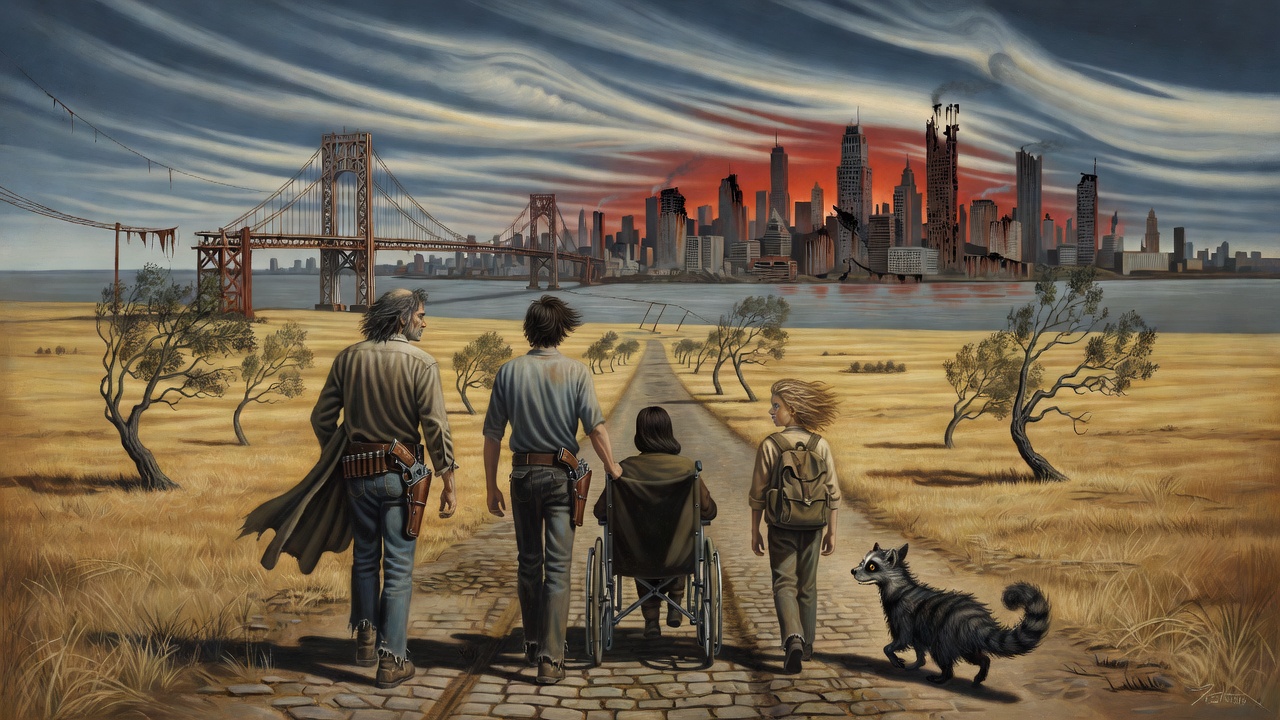
The Dark Tower · Book III · 1991
The Waste Lands
Two minds coming apart over one paradox, a door drawn in mud, a billy-bumbler, a dead city, and a pink train that wants a riddle.
The Waste Lands is the third Dark Tower novel, published by Donald M. Grant in 1991 with colour plates by Ned Dameron, and the one that finishes the drawing Book II began. Jake Chambers, the boy Roland let fall under the mountains, is pulled back out of a paradox and through a door; a billy-bumbler follows him; and Roland gives the group its name. Both halves take their titles from T. S. Eliot’s The Waste Land: “Fear in a Handful of Dust” and “A Heap of Broken Images”.
The structure is two mirrored halves. Book One cross-cuts between two minds going mad from the same contradiction, Roland’s in Mid-World and Jake’s in Manhattan, until a door joins them. Book Two is a road story that narrows: a plain, a town of the very old, a bridge, a city, a tunnel, a station, and at last the inside of one train. Along the way it changes genre at will, from horror (the house on Dutch Hill) to western (the bridge) to science fiction (Shardik, the Portal, Blaine), with one long humane pause at River Crossing.
It ends mid-situation rather than mid-scene: a riddle contest for the ka-tet’s lives has been agreed and the first riddle has not been asked. Readers waited six years for Wizard and Glass to pick up the same sentence. The book was a Bram Stoker nominee, is the fan polls’ usual favourite of the seven, and takes its criticism for the ending and for the scene in the speaking ring.
Bear and Bone
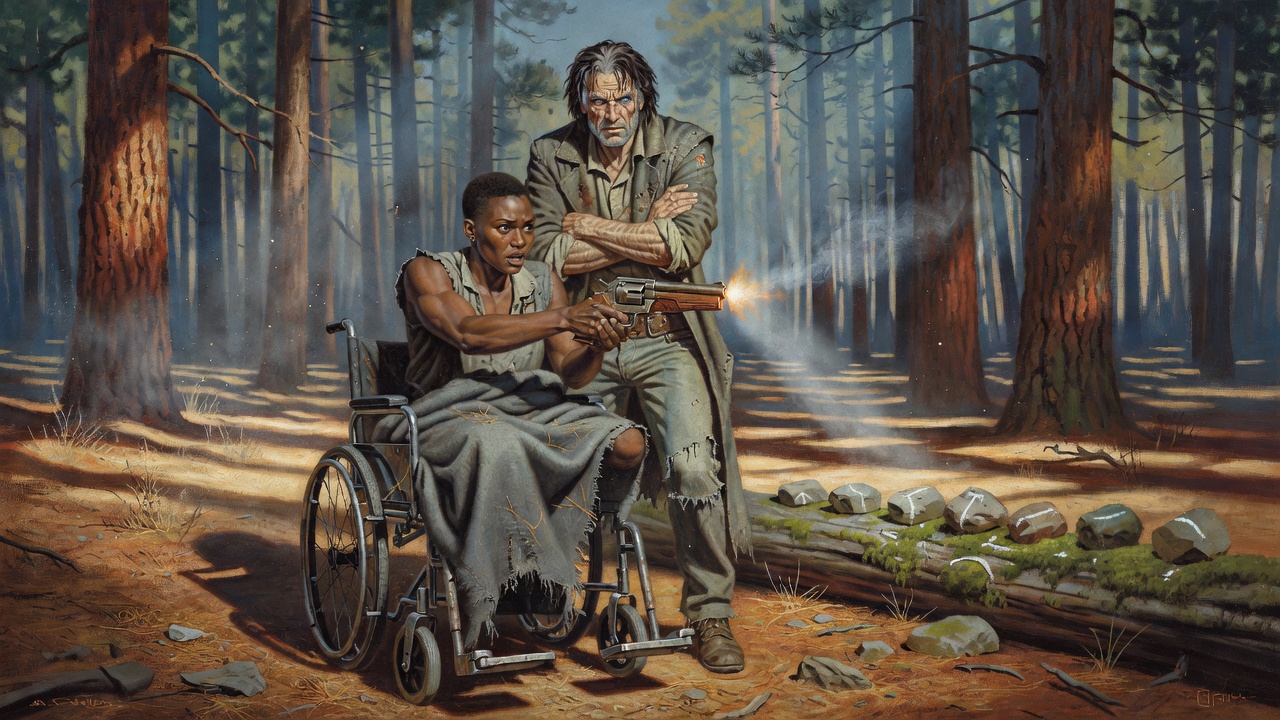
Weeks after the beach, in a clearing a mile from camp, Roland drills Susannah with one of his revolvers. He recites the gunslinger’s creed in the feminine and needles her on purpose, dragging up Detta’s anger so she can learn to make it cold; she protests that she is not a gunslinger. Back at camp Eddie whittles, a childhood talent his brother Henry sneered out of him. The narration is blunt: “Beating heroin is child’s play compared to beating your childhood.”
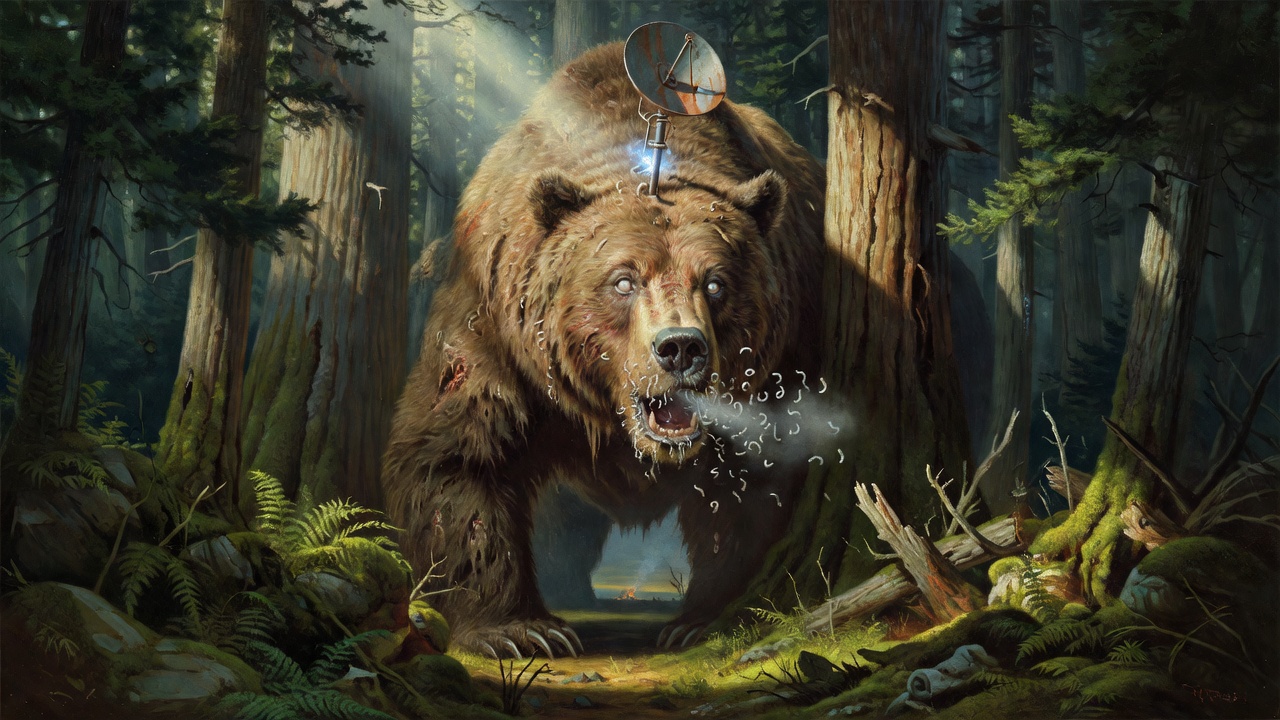
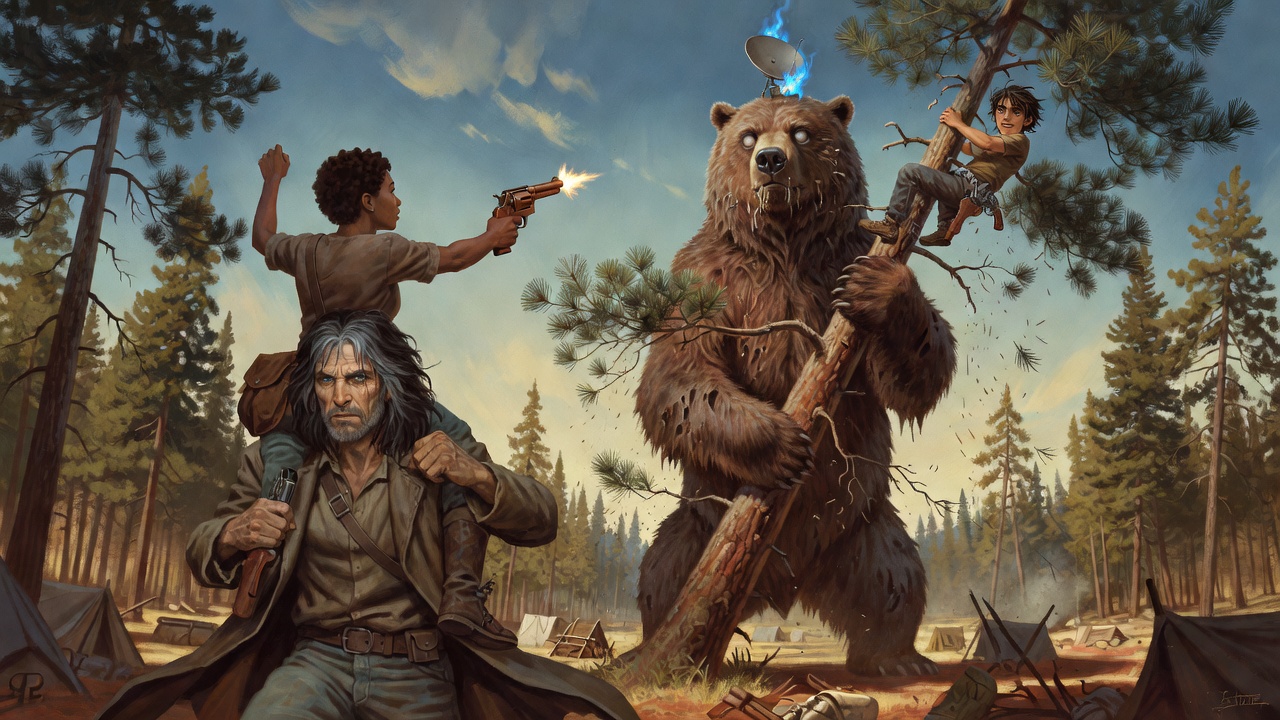
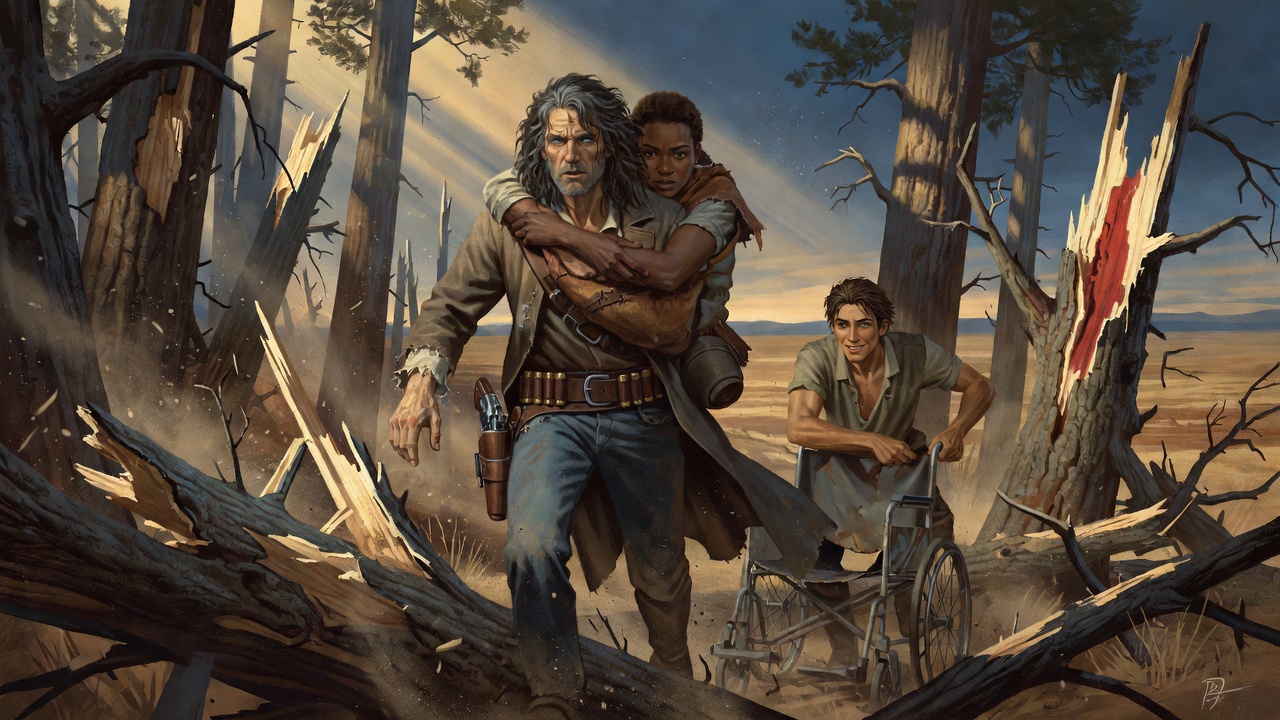
Something seventy feet tall is coming toward the smell of the camp: a bear centuries old, its brain eaten by parasites, sneezing worms, with a thing like a radar dish on its skull. The forest-folk called it Mir; its maker’s name for it is Shardik. It trees Eddie and shakes the trunk. Roland arrives at a run with Susannah on his shoulders and tells her to shoot the hat, the steel cap on its skull. Her first shots hit the bear’s rump; when it charges, her next takes the cap, blue fire crawls around the rod in its skull, and the bear dies. She has passed her first test.
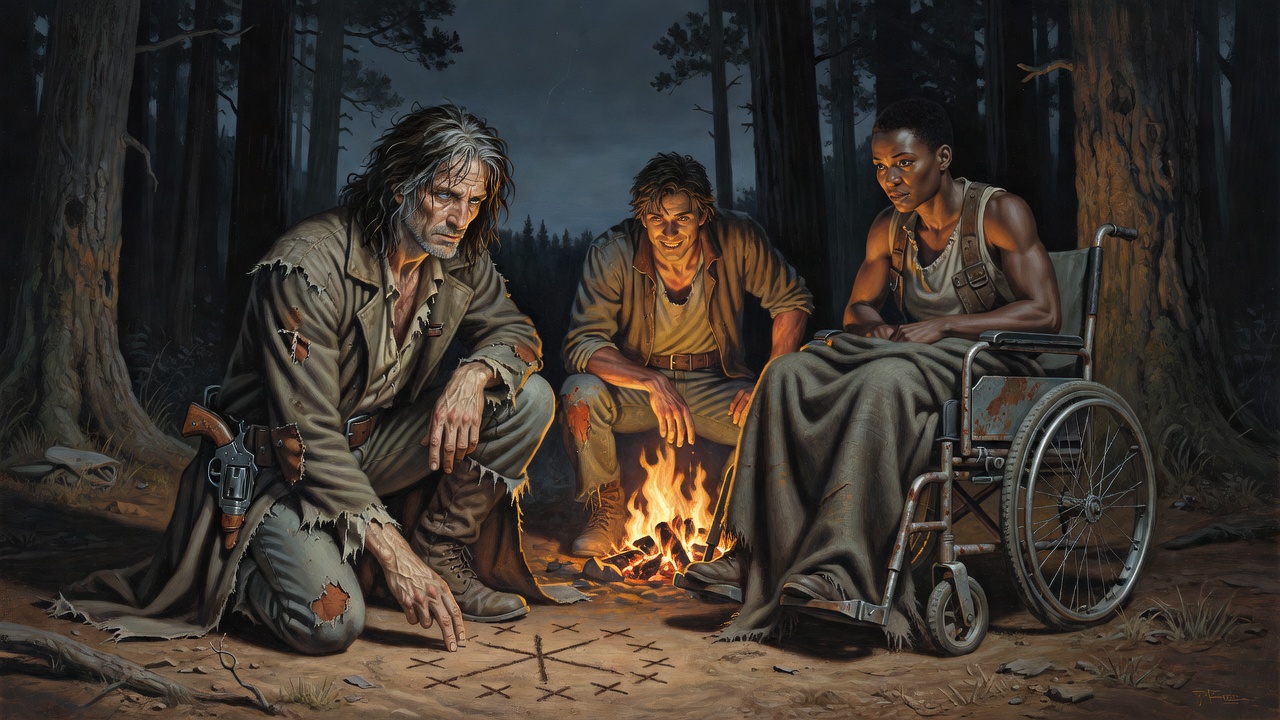
The autopsy finds steel strands in the flesh, circuitry in an eye, and a tag naming North Central Positronics and calling the thing a Guardian. By the fire that night Roland draws twelve X’s in a circle in the dirt: twelve Portals, each with a Guardian built by the Great Old Ones; six Beams crossing at the Tower; the Bear paired with the Turtle.
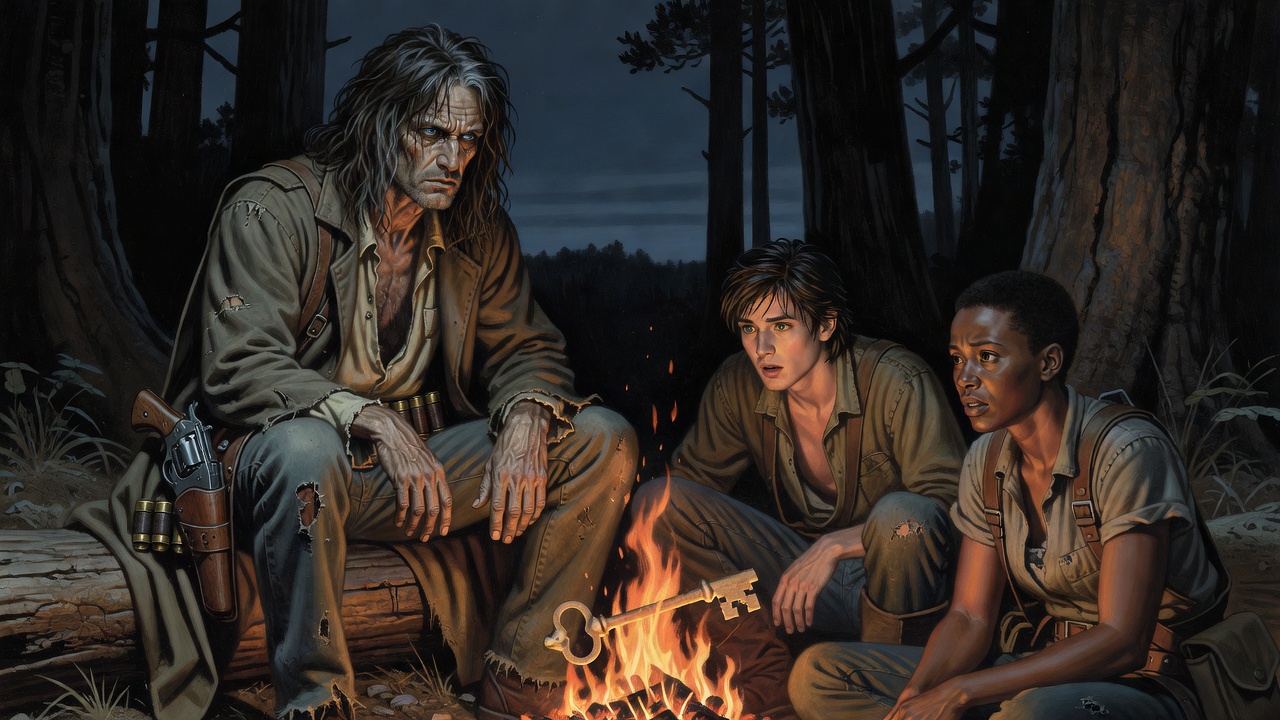
Then he confesses. Since the Pusher door he has carried two memories that cannot both be true.
There was a boy. / There was no boy.
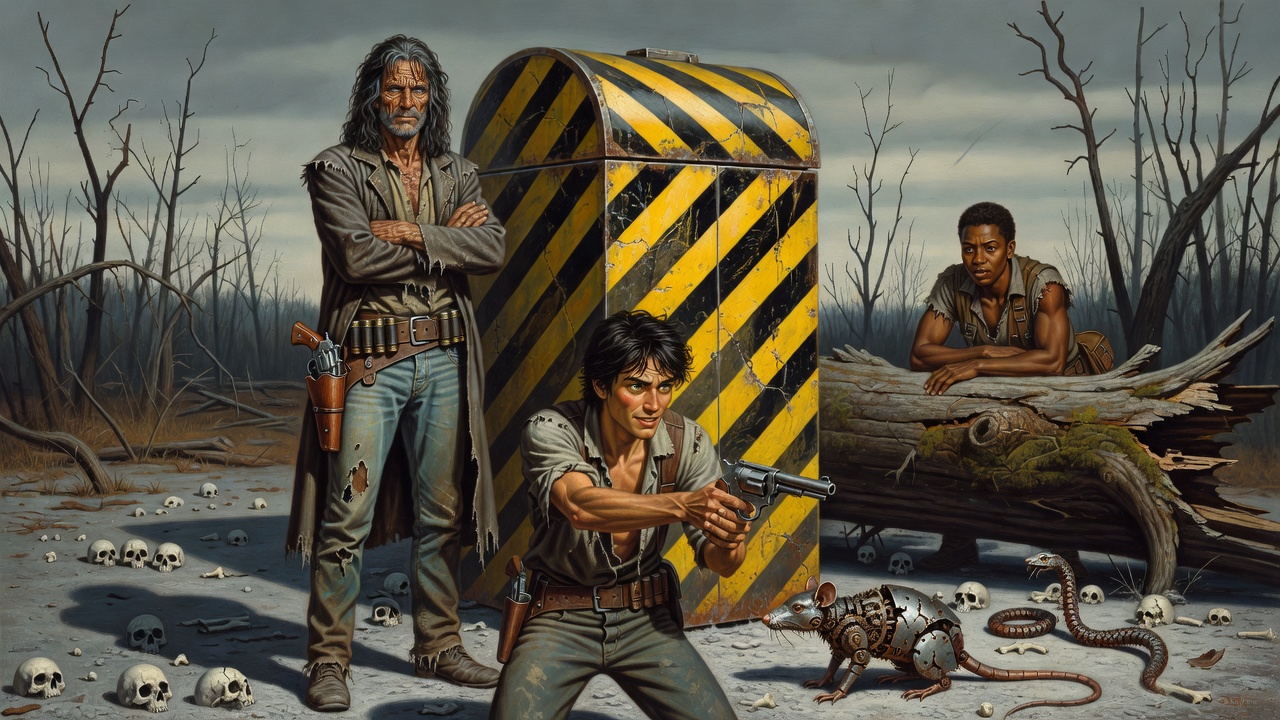
He tells them about the way station and the fall, and in a fit throws Walter’s jawbone into the fire. Eddie alone sees it become a key with crude notches and a squiggle, then a rose, and keeps that to himself. The three follow the bear’s wrecked back-trail toward its lair, Roland carrying Susannah in a sling where the wheelchair cannot go. The Portal of the Bear is a metal box nine feet high, striped yellow and black, in a clearing floored with bone dust; Roland makes Eddie recite the creed and shoot the half-dead mechanical servitors around it. Close to the box Eddie hears a litany and repeats it: “All is silent in the halls of the dead.”
The Beams, Roland explains, are the lines that bind the world together, and they are failing. A needle floated in a cup swings to the Beam, and he teaches them to see it without the cup: leaves, clouds, branches and even shadows leaning southeast. Then he unbuckles his gunbelt and hands it, with his knife, to Eddie, unfit, he says, to wear it while his mind goes an inch at a time. By a stream Eddie finds an ash branch that calls to him and starts to carve the key.
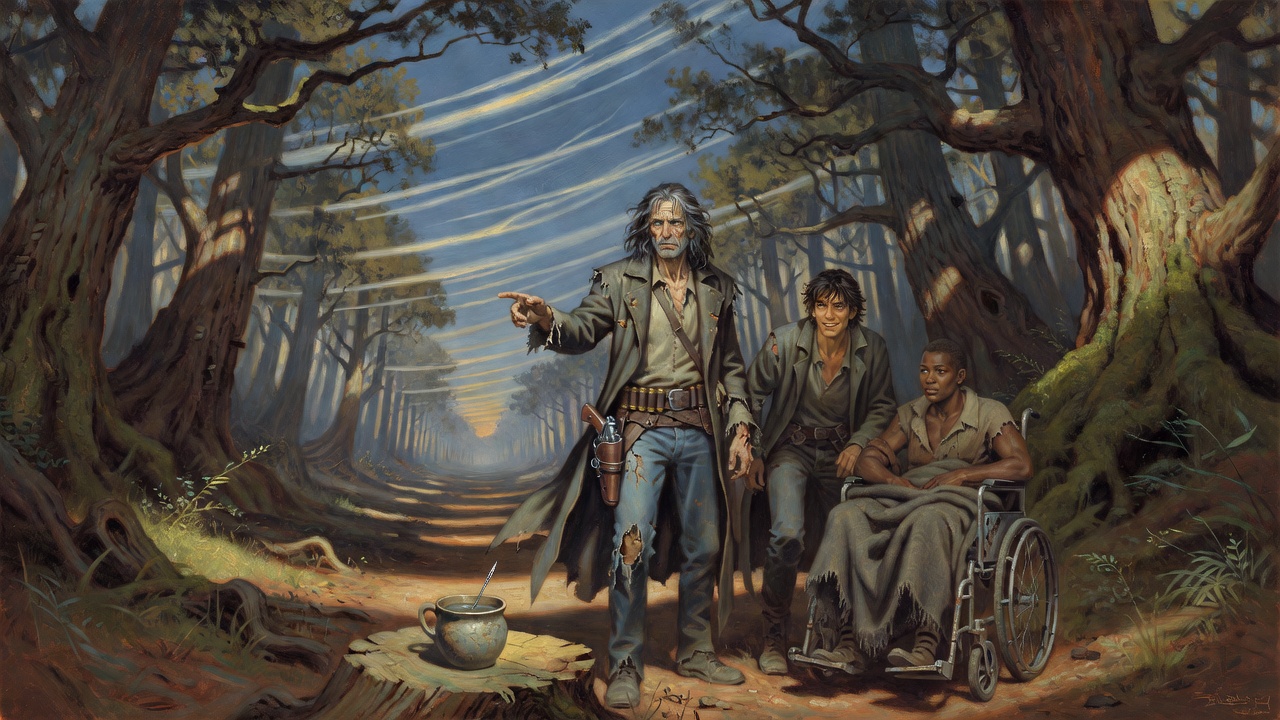
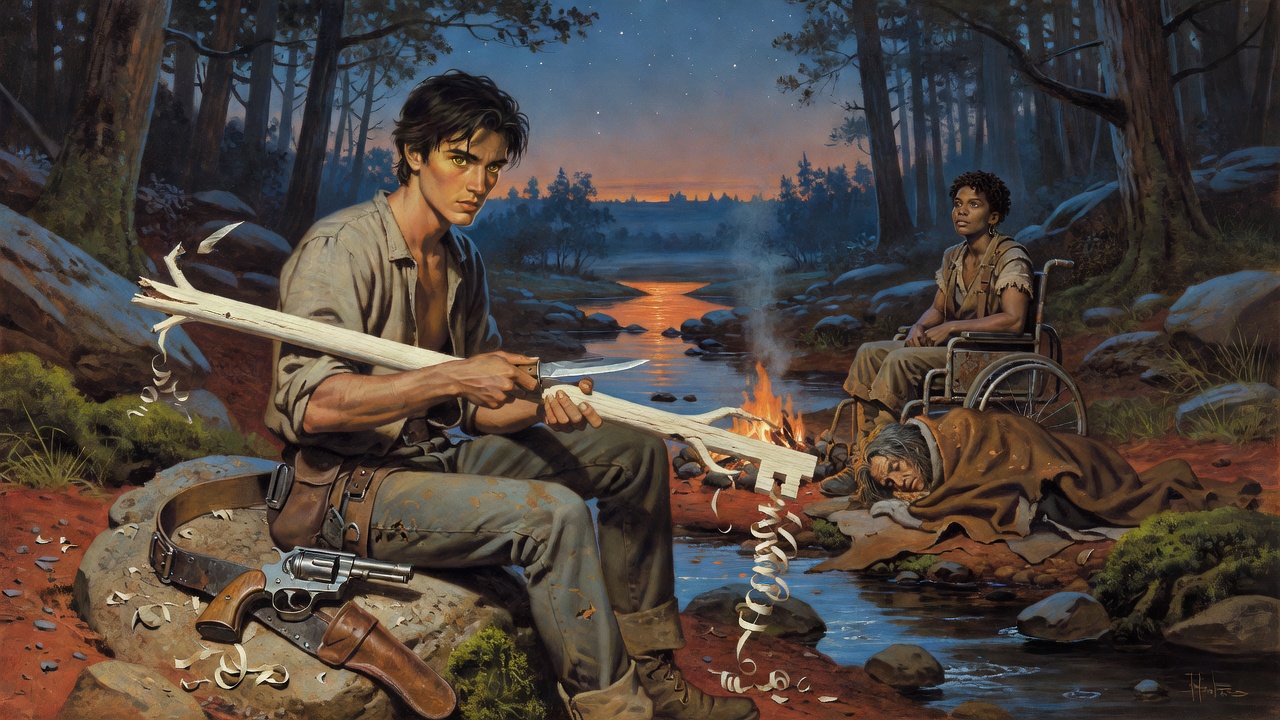
Key and Rose
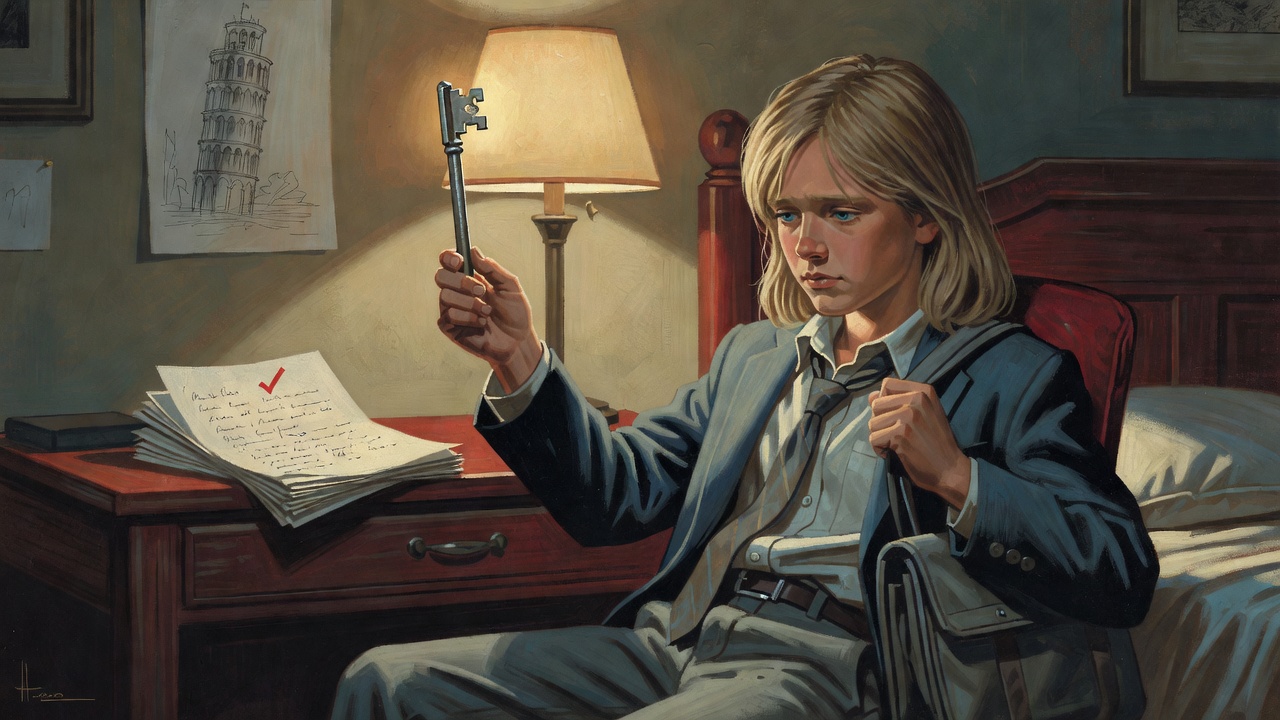
New York, spring 1977. John “Jake” Chambers is eleven, small for his age and in his first year at the Piper School. He remembers dying in the street on the ninth of May, and remembers not dying. His father Elmer runs programming for the Network on Camels and cocaine. For three weeks his mind has been doubling: a voice says he is dead, every door looks like a way back, he draws a leaning tower. His Final Essay for Ms. Avery, “My Understanding of Truth”, is a litany he does not remember writing: a gunslinger, a prisoner, a lady of shadows, riddles, a train, a last page of choo-choo.
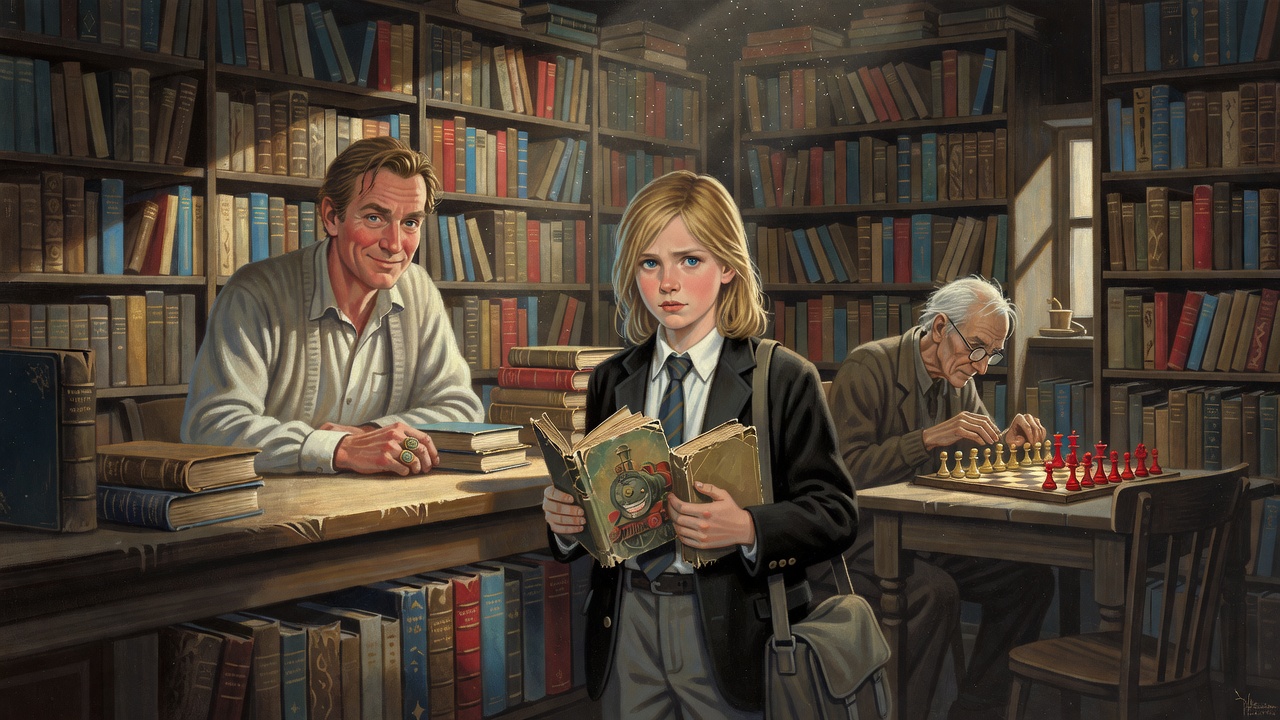
On the thirty-first of May, certain the essay has exposed his madness, he walks out of school four days before term ends and drifts down Second Avenue, following a pull. At the Manhattan Restaurant of the Mind, a used bookshop, the owner Calvin Tower greets him with a mock-heroic flourish and Tower’s chess partner, the lawyer Aaron Deepneau, gives him the answer to Samson’s riddle. Jake buys two children’s books: Charlie the Choo-Choo by Beryl Evans, a 1942 picture book about an engine whose grin cannot be trusted, and Riddle-De-Dum!, whose answer pages have been torn out.
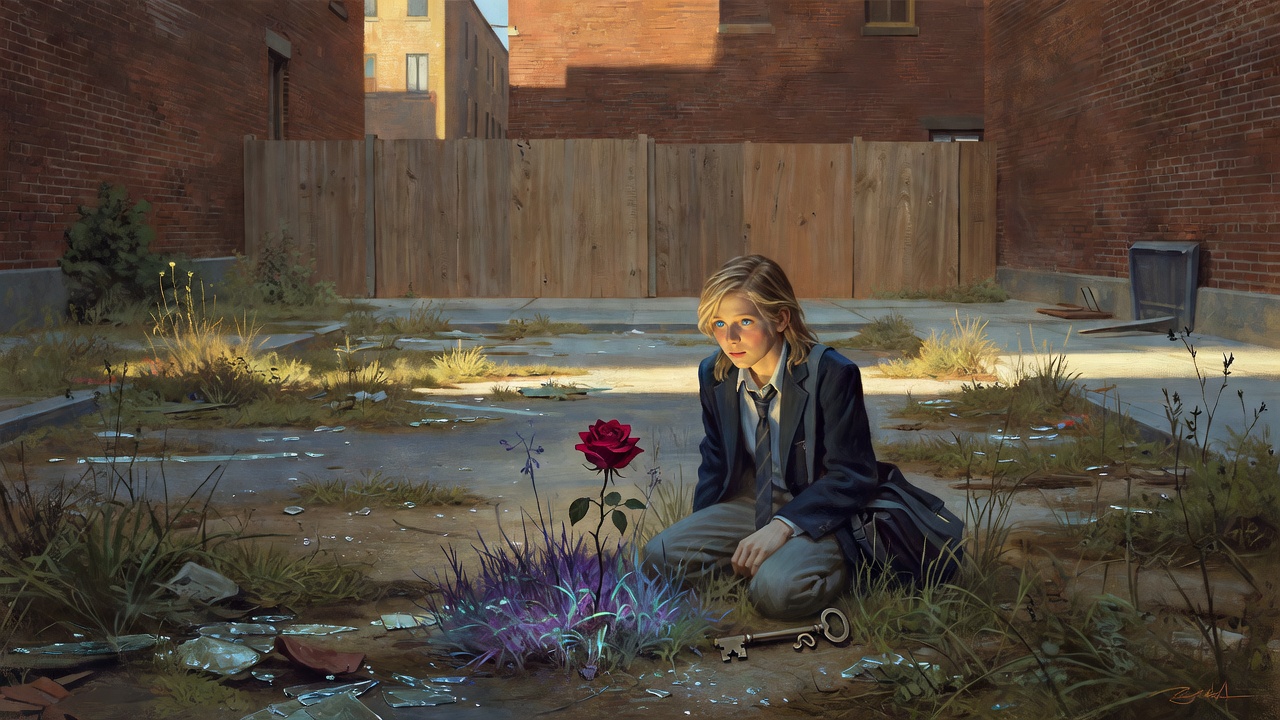
The pull ends at Second Avenue and Forty-Sixth Street, a vacant lot behind a board fence where a deli called Tom and Gerry’s used to stand. The graffiti on the fence is about the Turtle. In the weeds lies a key, the shape from his dreams, with a jolt of power when he lifts it, and beyond it a single wild rose growing from purple grass. He looks into the rose, sees suns and other worlds, blacks out against a brick and sleeps for five hours. At home his father rages about truancy and Ms. Shaw hands him the essay, marked A+. With the key in his hand the voices go quiet.
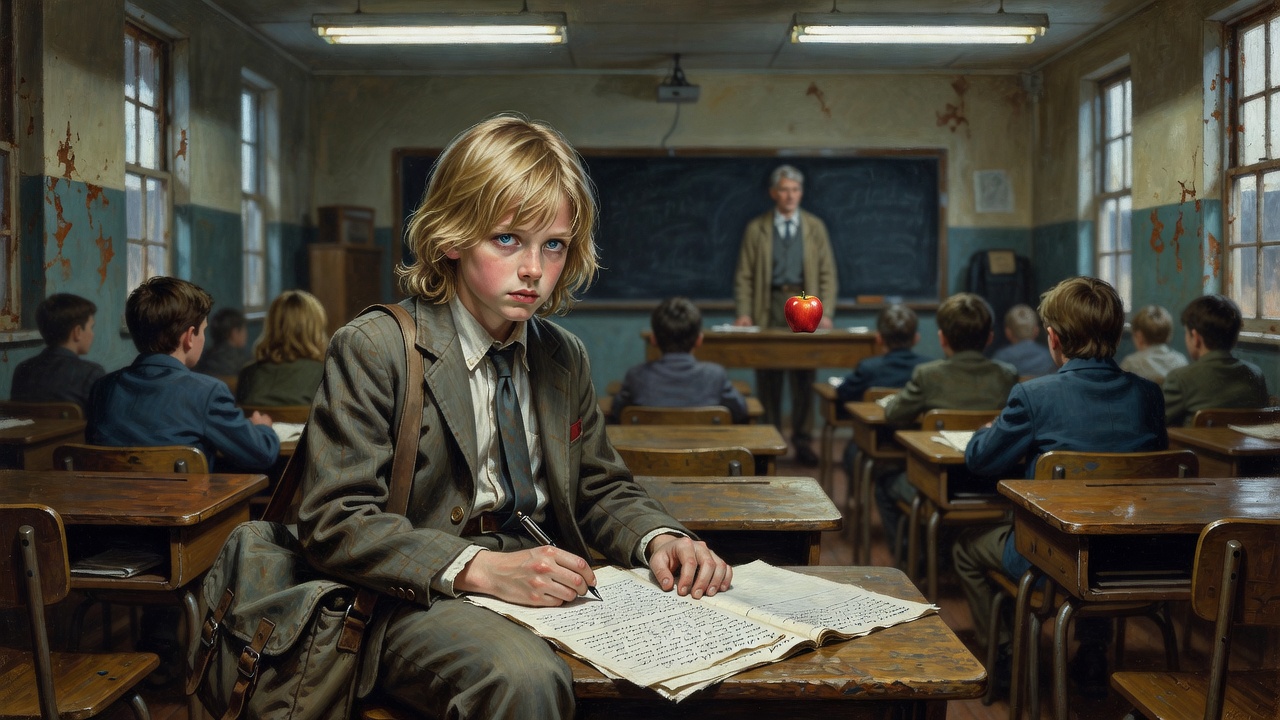
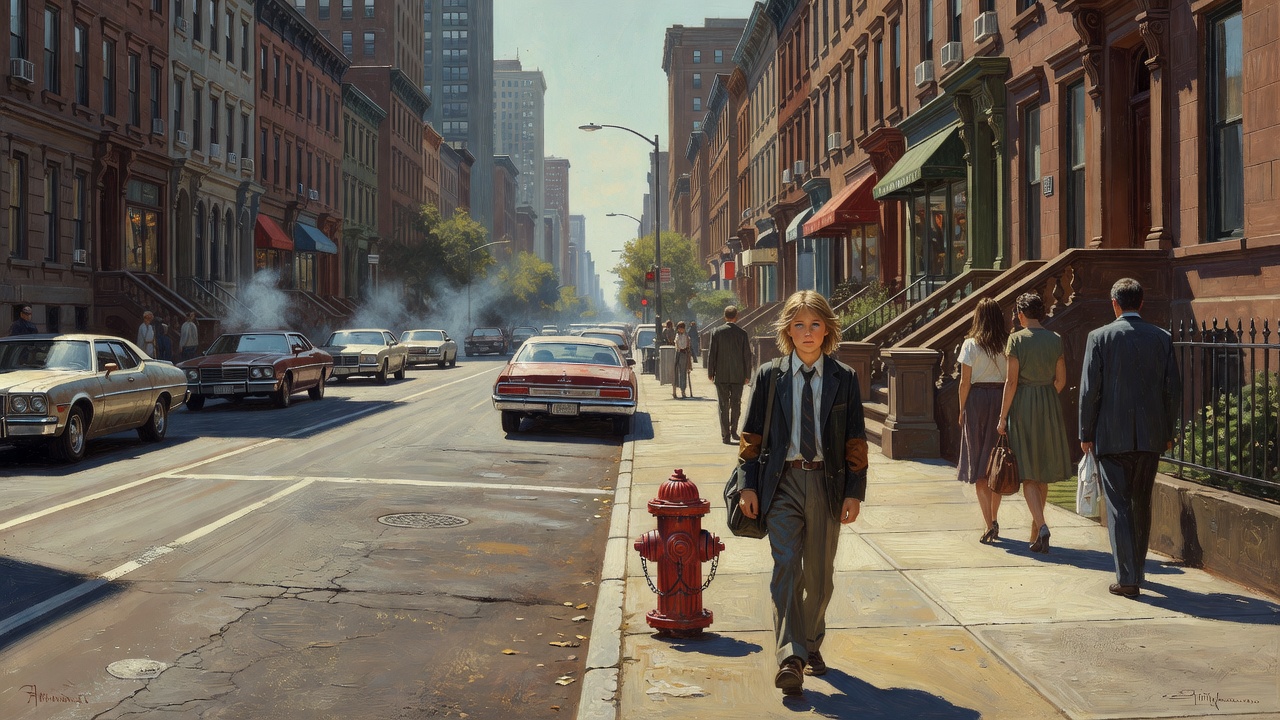
Door and Demon
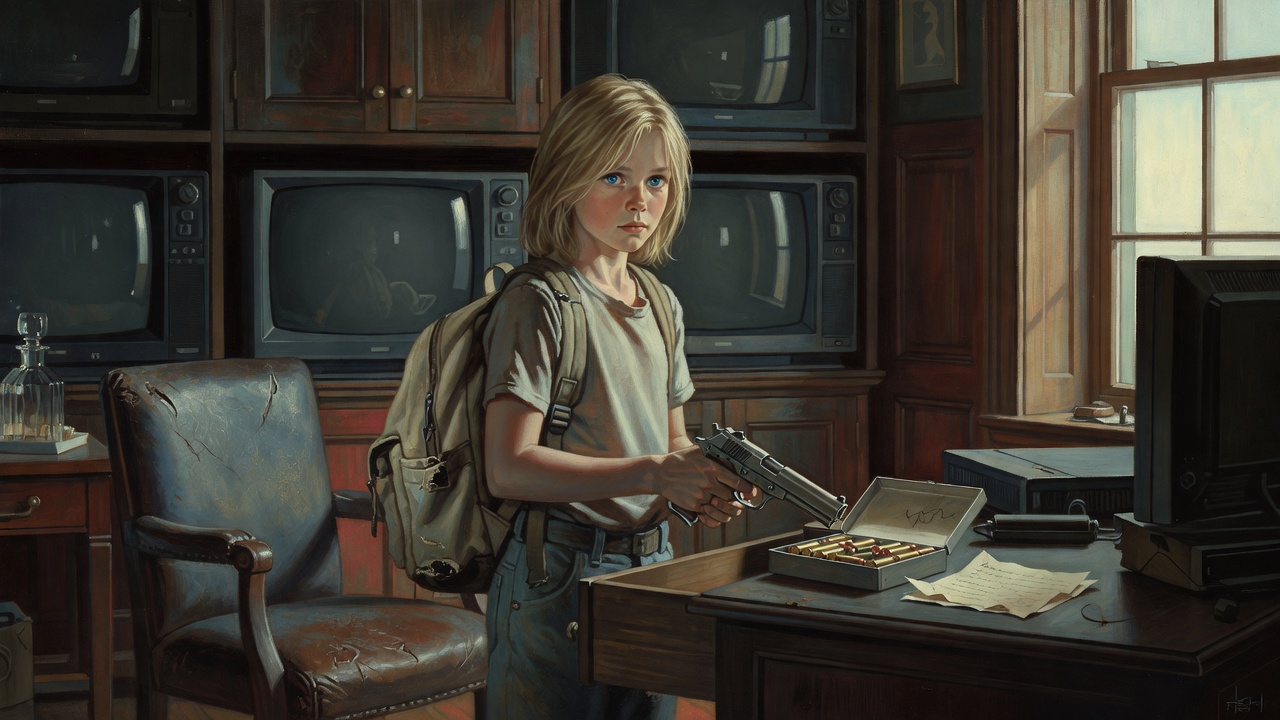
In Mid-World, Eddie hands Roland the unfinished ash key, and the voices stop; Roland sleeps holding it. Jake dreams of a stone marker reading TRAVELLER, BEYOND LIES MID-WORLD, and of a boy at a Brooklyn basketball court who tells him to take the subway to Co-Op City around three. He packs his old backpack with clothes and the two books, takes his father’s .44 Ruger from the study, and leaves a note. Roland’s party finds the same marker on the Great Road. Eddie stalls on the key, hears Henry’s sneer, feels his first heroin craving in months and hands it back.
From a hilltop they see the towers of a city, the River Send, and a speaking ring of standing stones that Roland calls a thin place; when Eddie panics, Roland slaps him and then tells him, in the High Speech, that he loves him. That night Eddie finishes the key and whittles a stake.
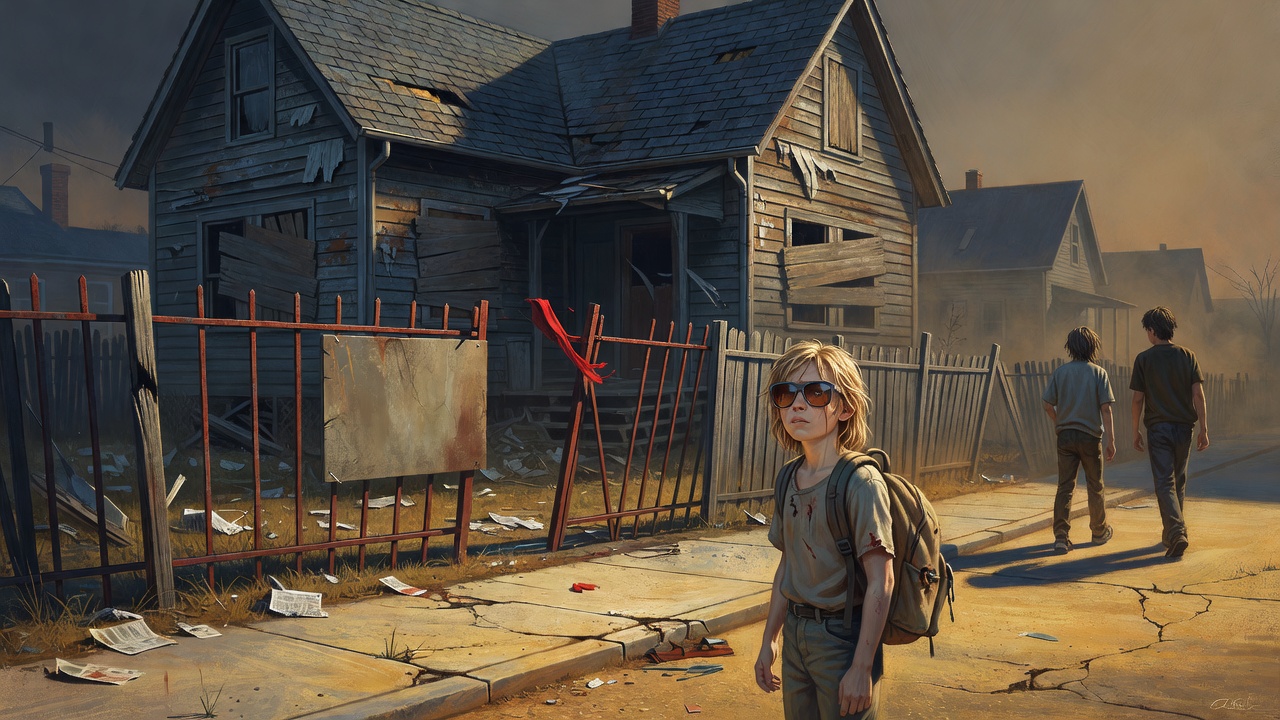
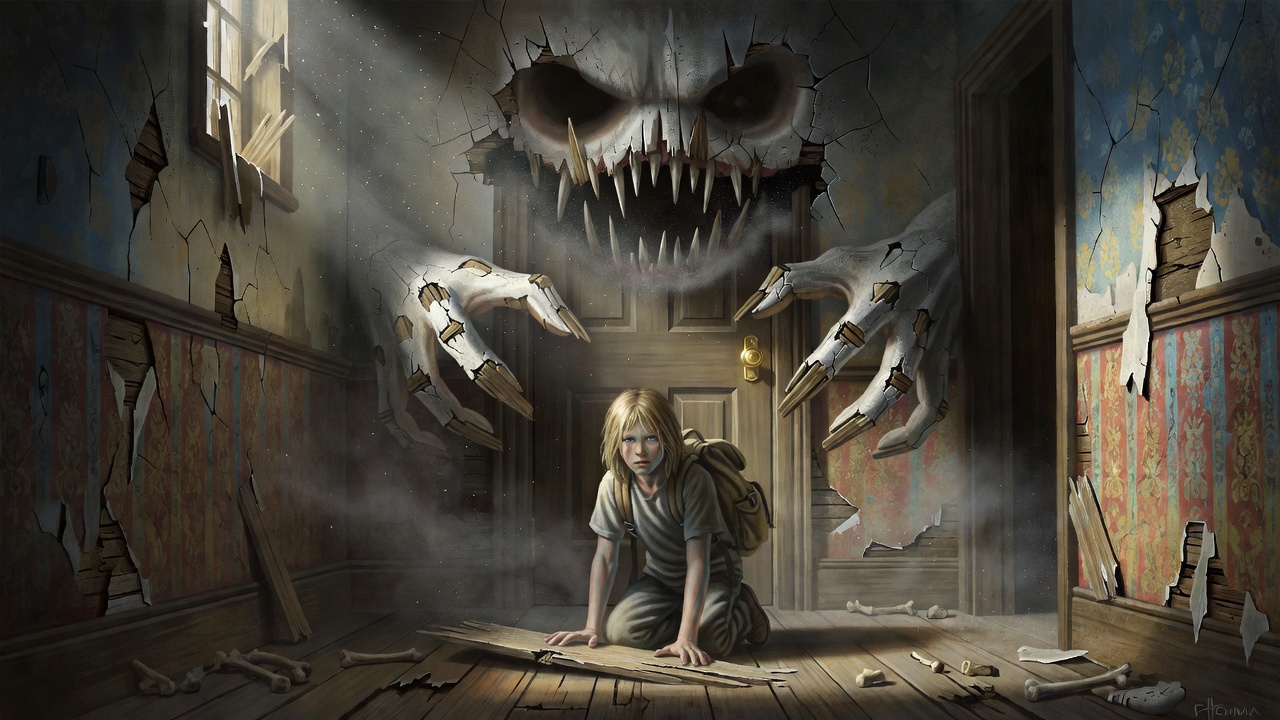
Jake’s crossing day runs through a museum tour, a policeman the key talks out of his questions, and a subway to Co-Op City in freak heat. There he recognises Eddie Dean at twelve and Henry at eighteen, and follows when Eddie talks Henry into a look at the Mansion on Dutch Hill: a condemned, slate-roofed wreck in a trash-strewn yard. The brothers turn back at the gate. Jake goes in, to a hall floored in small bones, not all of them animal, and the front door slams behind him. He finds a door marked THE BOY with a golden knob, and drops the key between the floorboards. Roland’s voice tells him to pull up the next board. The walls wake. The doorkeeper is not in the house; the doorkeeper is the house.
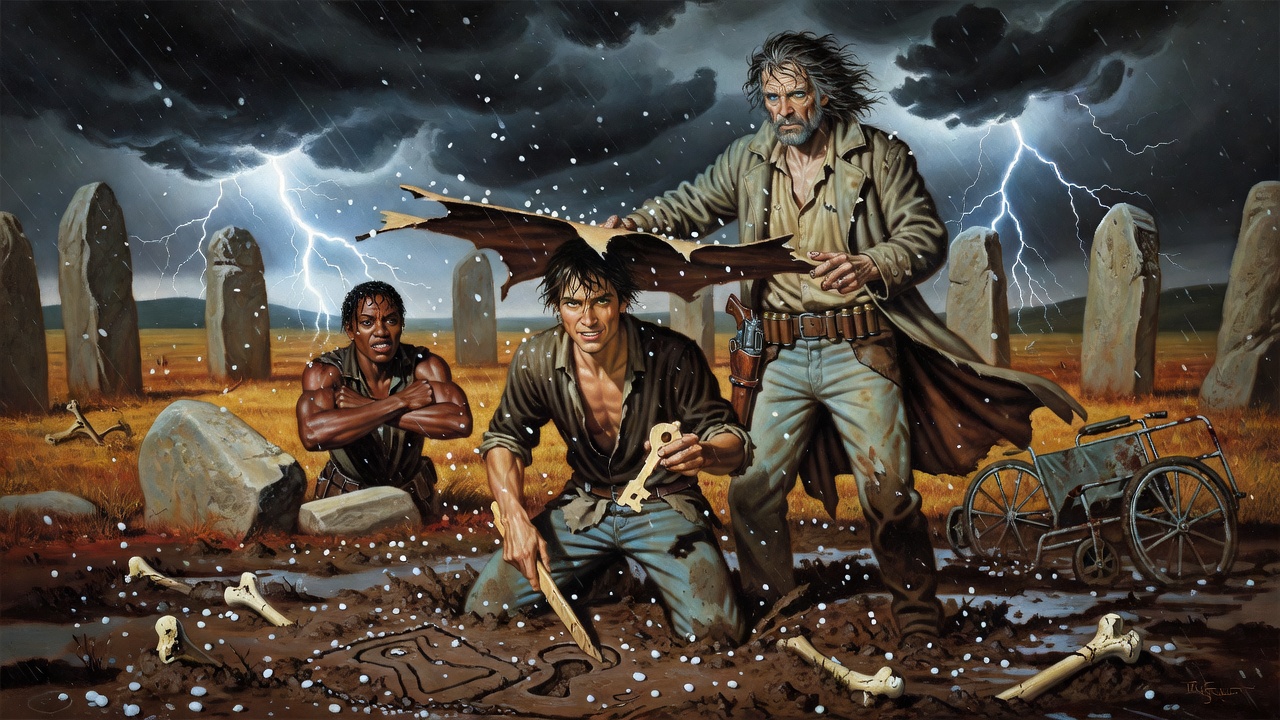
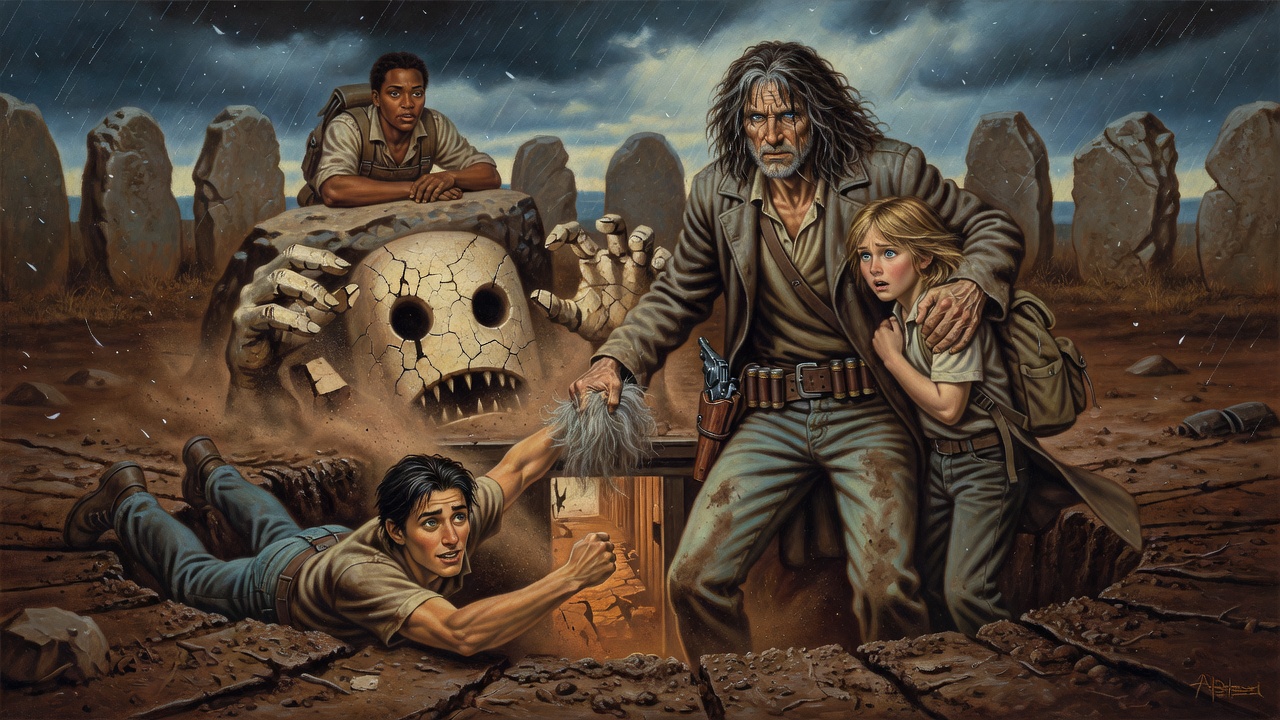
At the ring Roland takes his gun back from Eddie. Under a storm whose rain turns to hail, the demon comes, invisible and reeking of gin. Susannah draws it onto herself and, with Detta’s help, holds it there to keep it off Eddie, while Eddie, under a hide Roland holds over him, draws a door in the mud with his stake and carves its keyhole. On Dutch Hill Jake digs out the key and turns it in THE BOY’s lock, but earth fills the doorway; he swings on a lamp, kicks out of his jeans and is dragged toward the thing’s mouth. Eddie’s key will not turn until he sees its flaw, the S-curve at the end, and makes one scrape with Roland’s knife. On Roland’s word Susannah lets the demon go; Roland seizes it, leaps through the opened door, feeds it to the doorkeeper, grabs Jake and fires into the plaster hand, and Eddie hauls them out by Roland’s hair. The Mansion swallows itself from the outside in. “You won’t let me drop this time?” Jake asks. Roland tells him never again, and privately wonders whether that is true where the Tower is concerned.
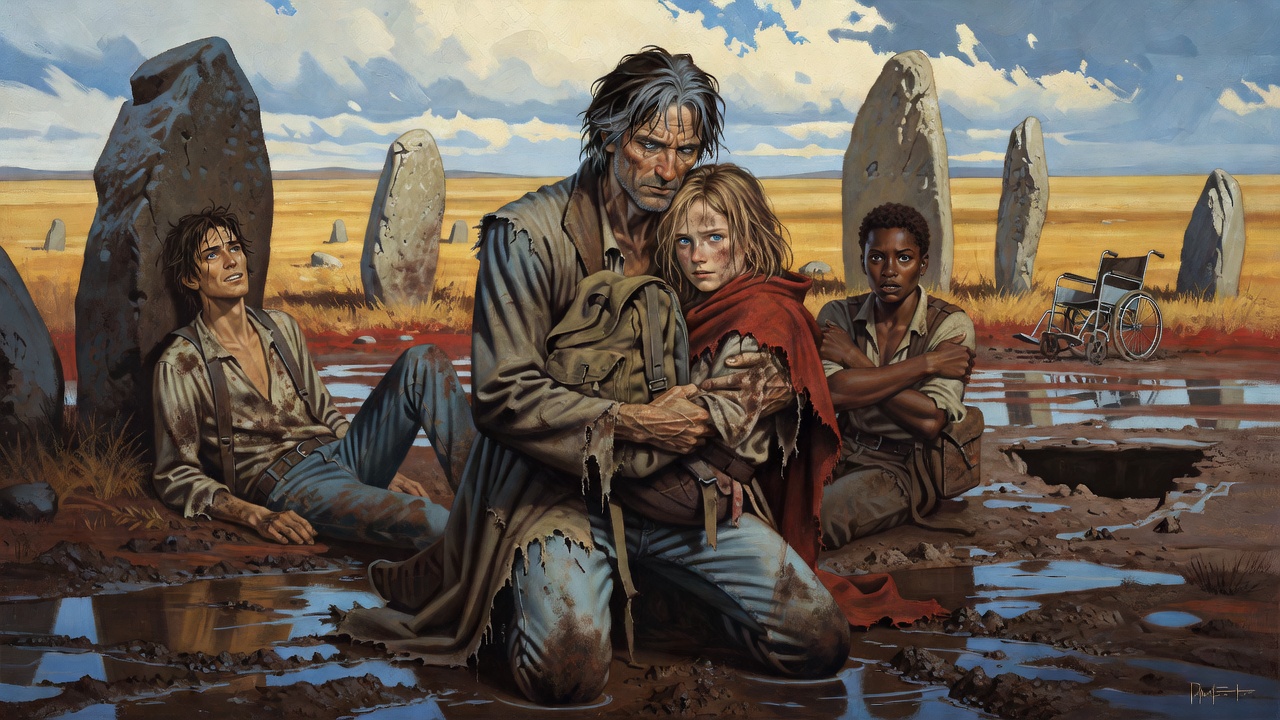
Town and Ka-Tet
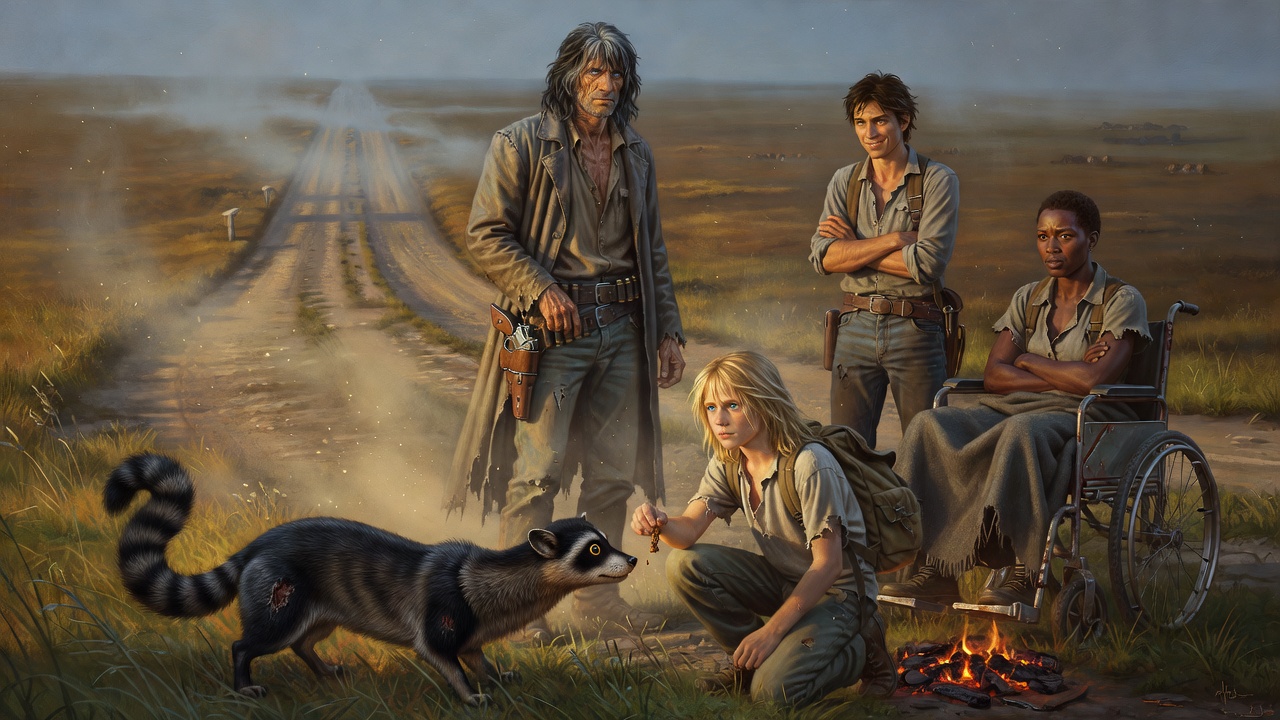
Four days on, Jake’s spider bite from the Mansion is treated and the doubling has stopped for both of them. A young, thin billy-bumbler with a bite wound shadows the camp. Jake calls to it as boy; it answers Oy. Roland says bumblers were pets once and parrot speech, and Oy follows “Ake” from then on.
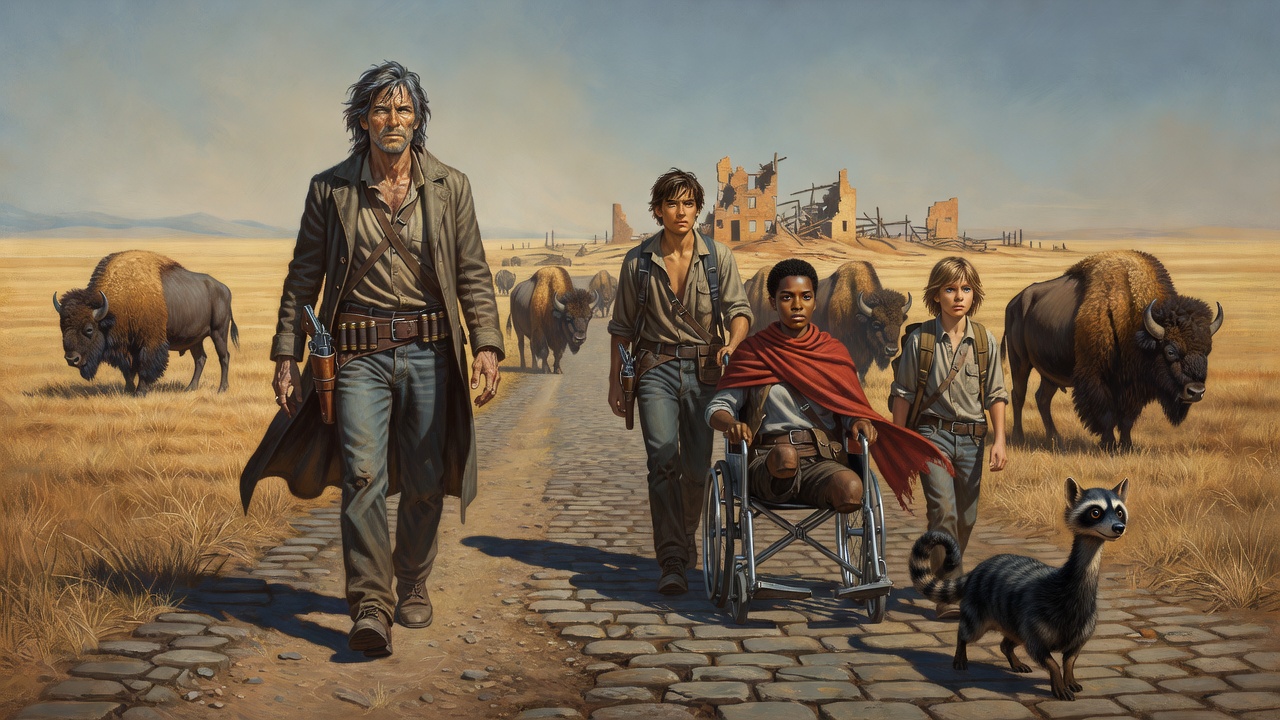
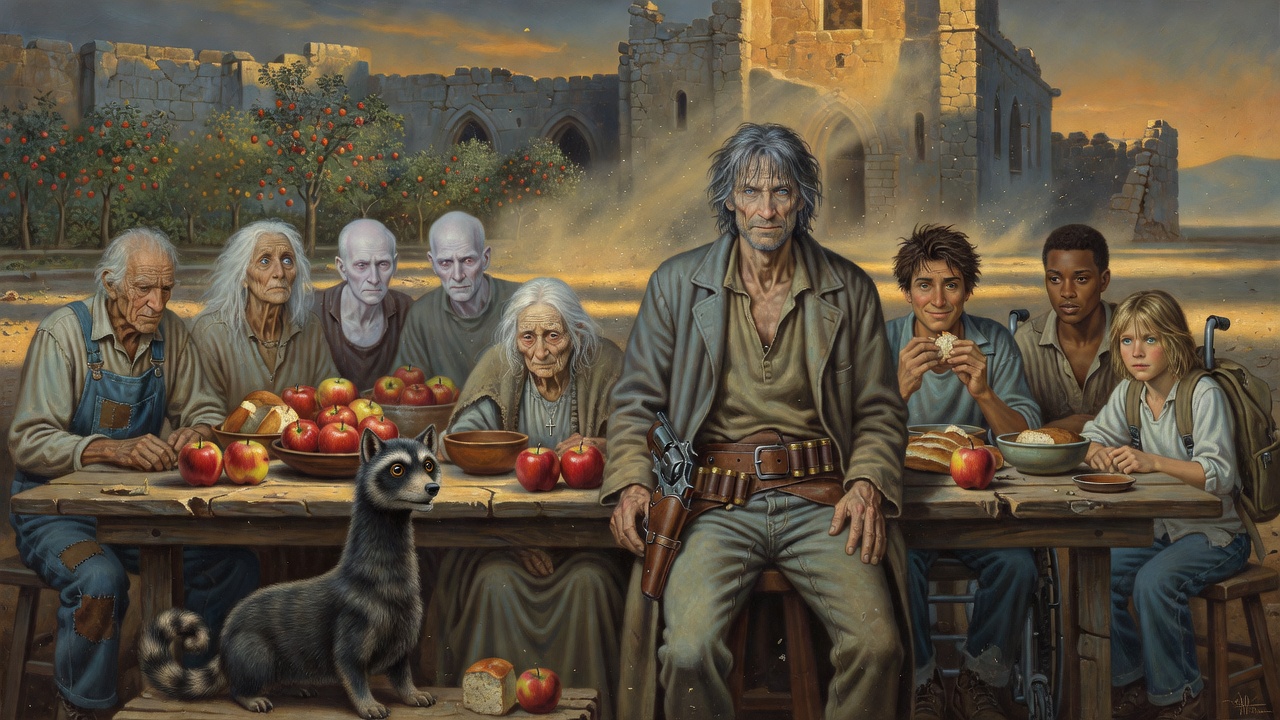
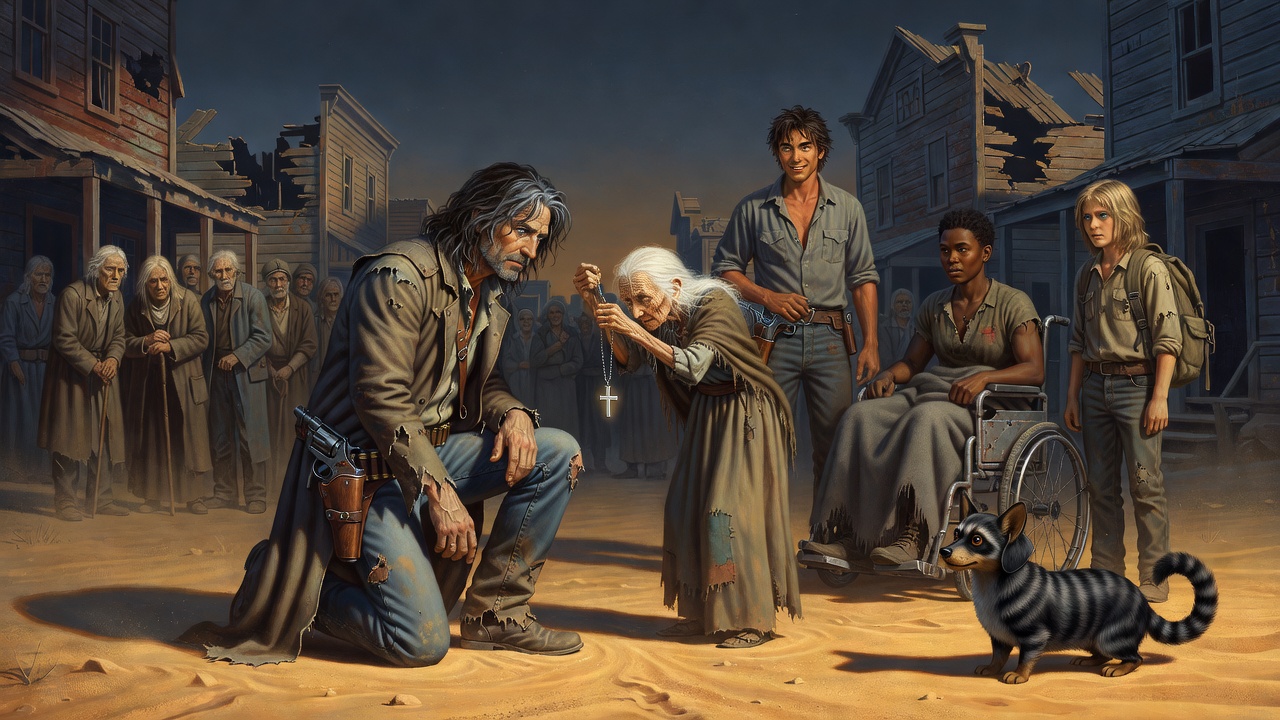
The Great Road is cobbled now, lined with farmsteads aged into ruin, and two-headed bison graze the plain. As they near the first town, Eddie asks for the Ruger, and Jake gives it to him. River Crossing looks abandoned and hides a community of the very old: Si and his wife Mercy, blinded by harriers years ago; the albino twins Bill and Till; and the Old Mother, Aunt Talitha Unwin, a hundred and five. They know a gunslinger and feast the travellers in a hidden garden. Jake, unprompted, asks whether they know about trains, and Talitha answers with a name: Blaine. They tell of Lud, the last fortress-refuge of the world that was, and of a civil war centuries old between the Grays and the Pubes. Blaine used to run to Lud with sonic booms that knocked cups off shelves; blind Mercy heard a mono leave the city, without the boom, seven or eight years ago. At parting Roland kneels in the square and Talitha hangs on him a silver cross she has worn for more than a hundred years, to lay at the foot of the Dark Tower.
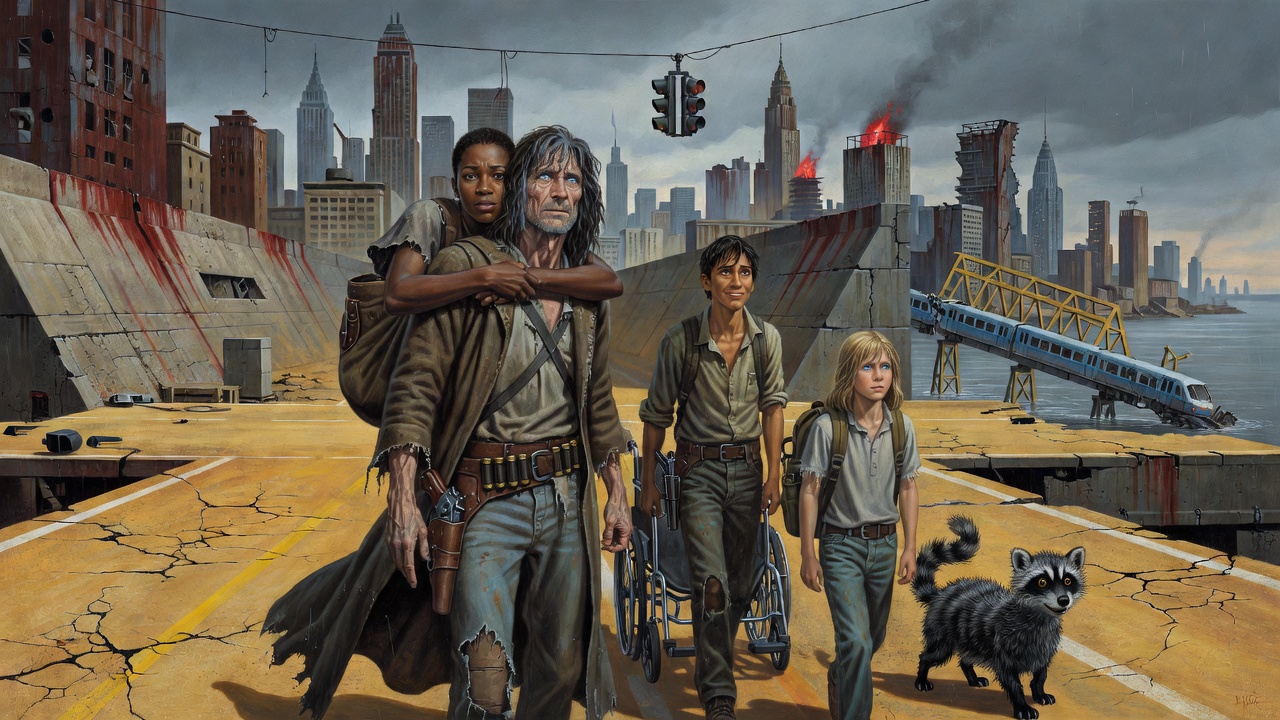
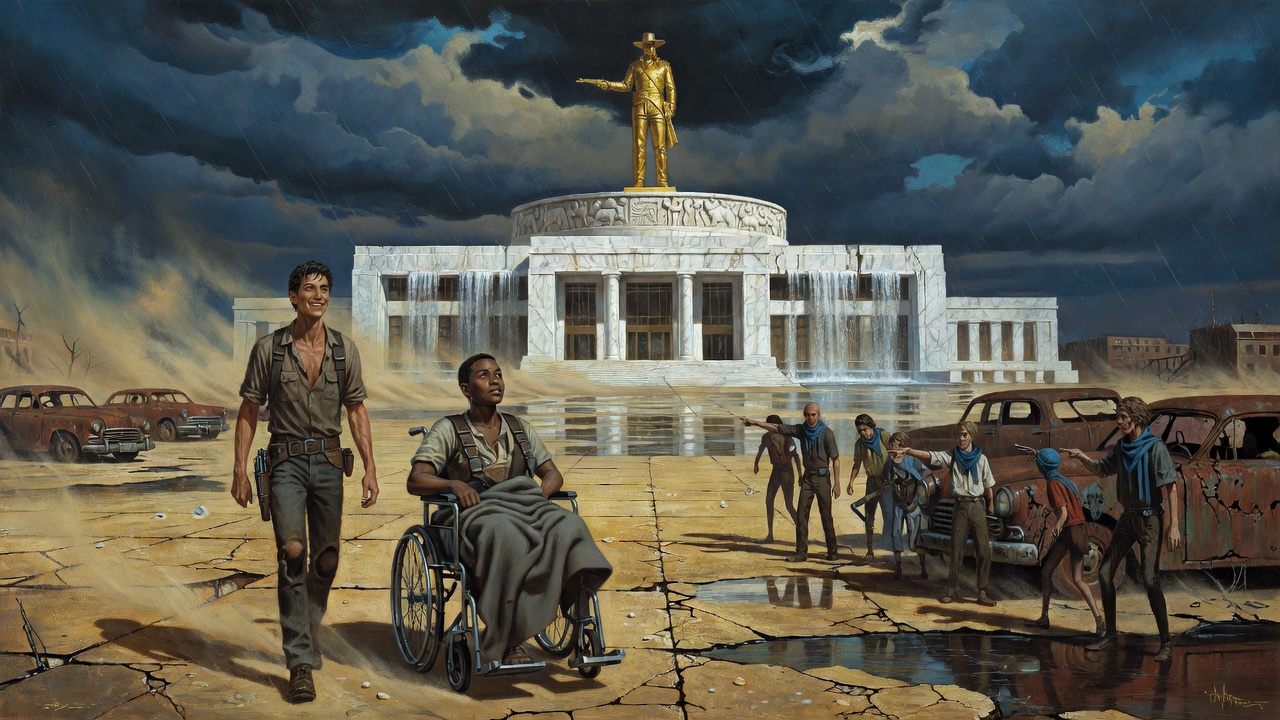
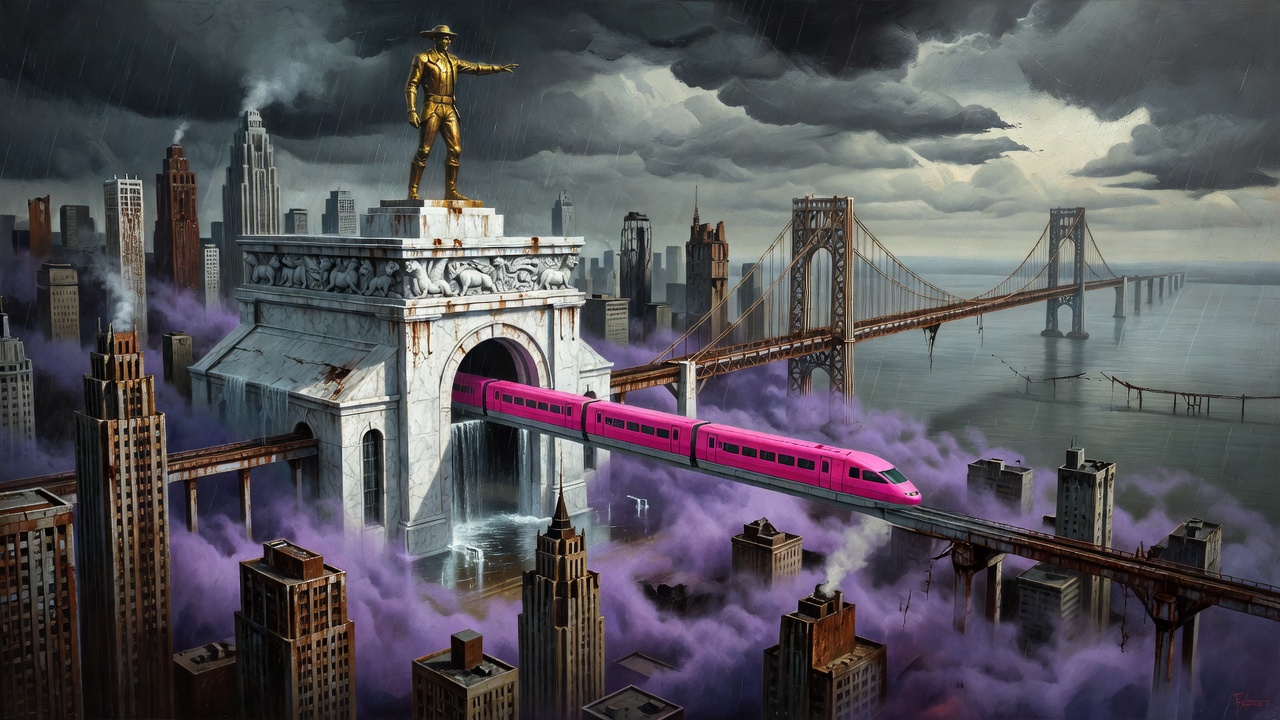
The next day the Send bridge comes into view, no longer level, a dead ringer for the George Washington Bridge. At a palaver Roland gives them their name.
We are ka-tet—one from many
Each tells their tale. All three New Yorkers knew Charlie the Choo-Choo; Jake’s rose held everything, and something was wrong with it. They decide to go through Lud rather than around. That night Eddie tells Roland they are coming of their own accord, and Roland cries his pardon.
Bridge and City
Three days out they pass a crashed Focke-Wulf, its pilot a giant mummy in a spiked helmet: David Quick, the outlaw prince who meant to take Lud from the air. On watch, Eddie finally places the city’s drums: the drum track of ZZ Top’s “Velcro Fly”. Hearing gunfire from the city on his own watch, Jake puts the plan in a line: “Blaine is a pain, but we have to take the train.”
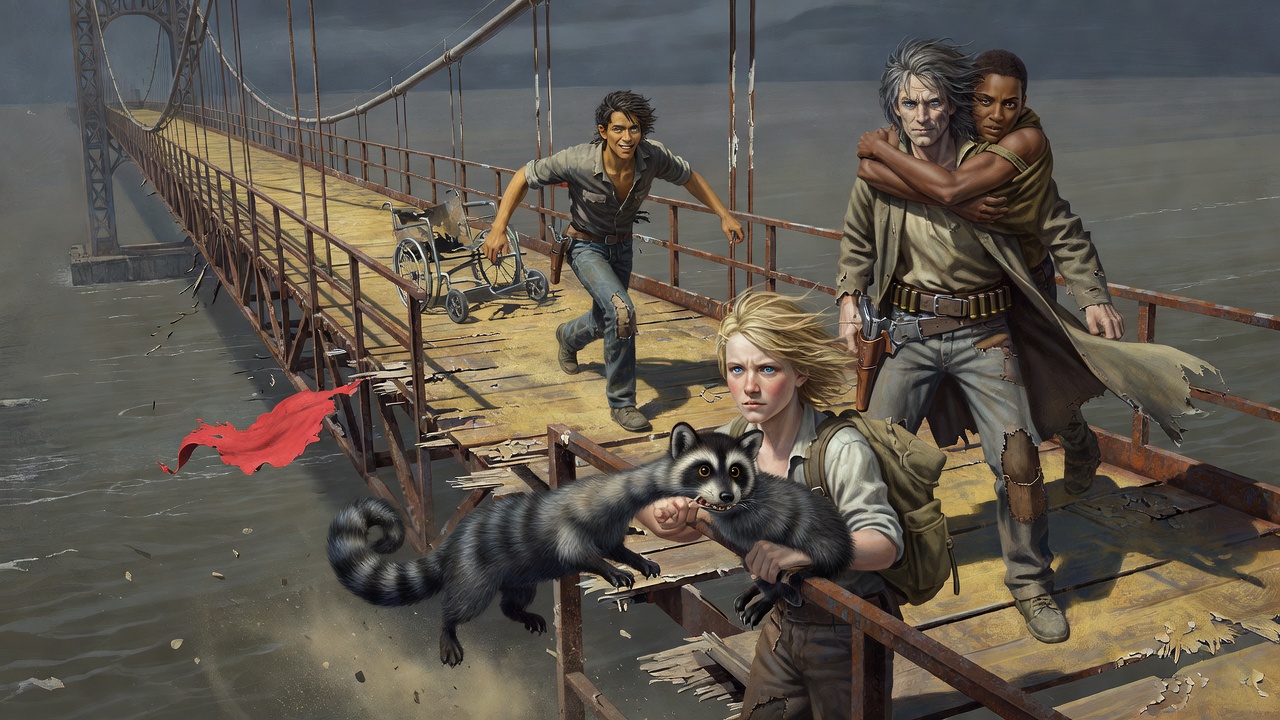
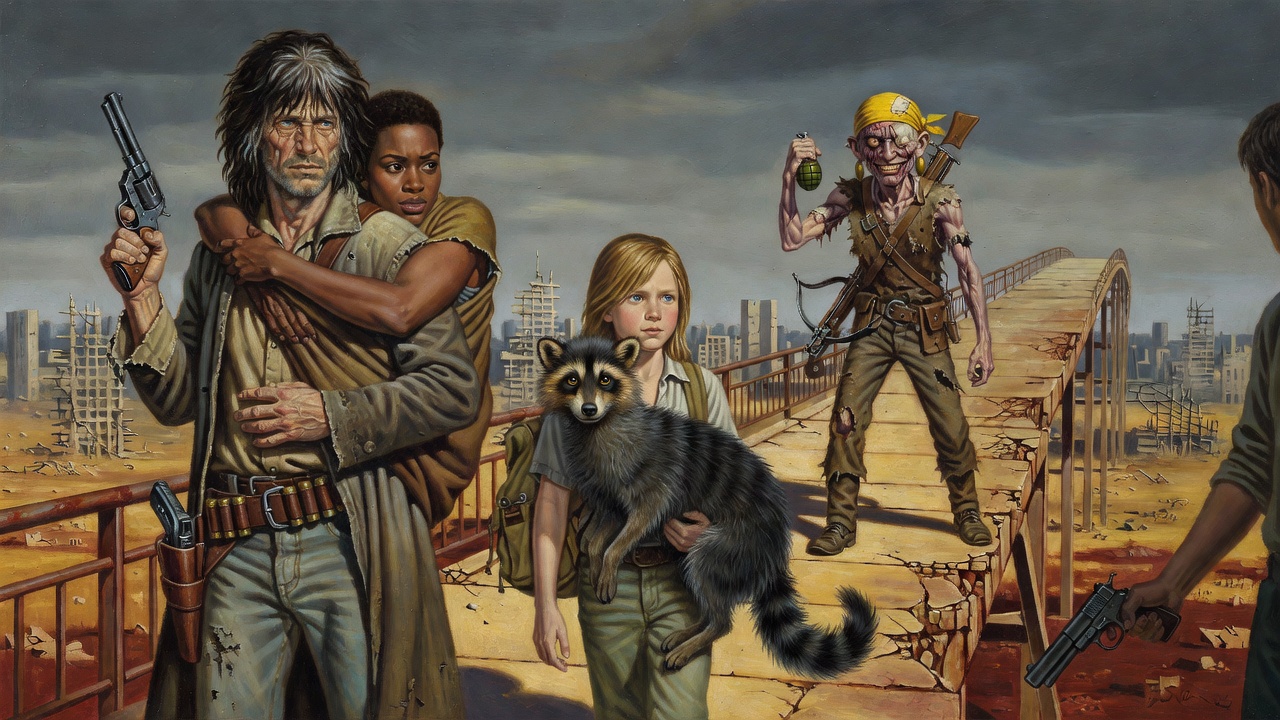
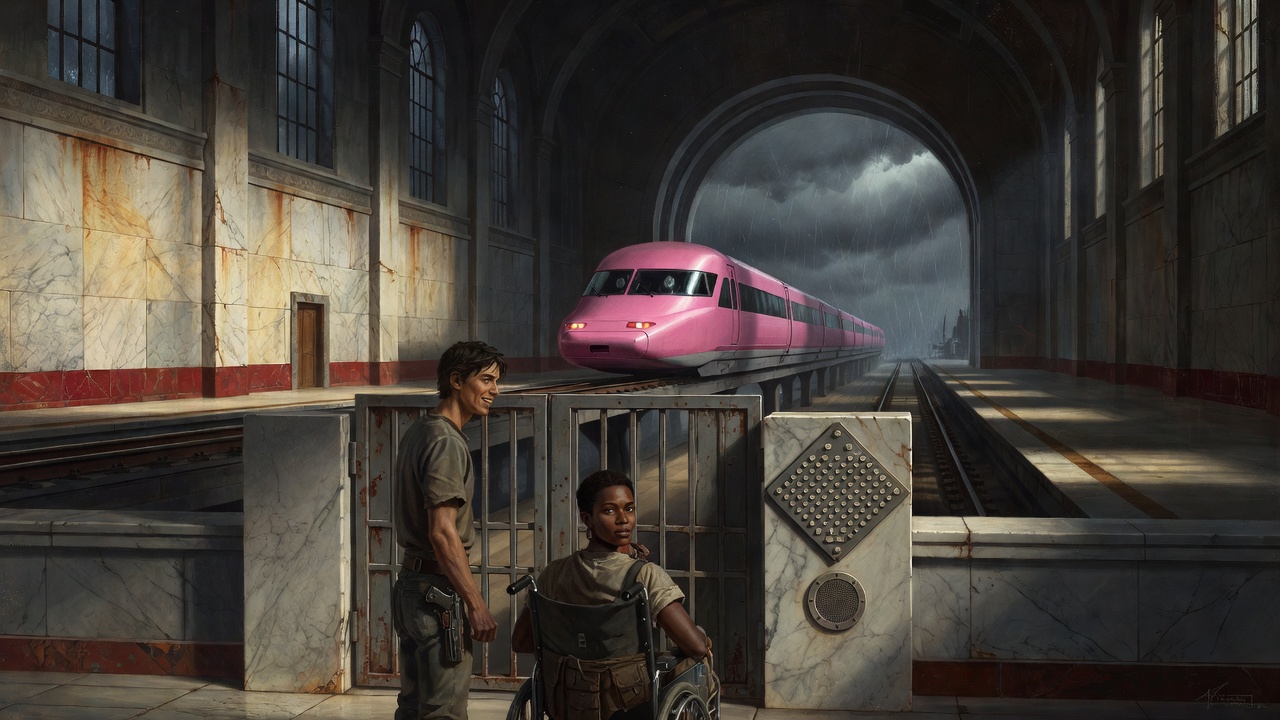
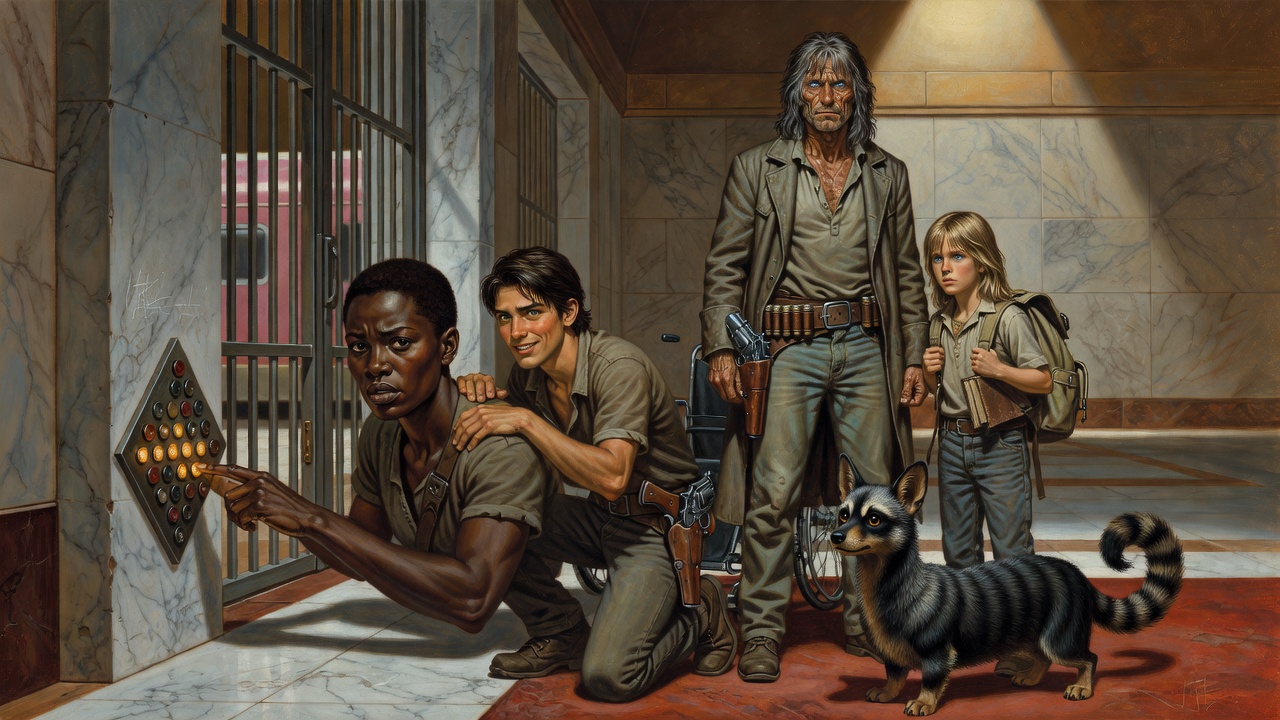
Where the sunken road opens out, the mono’s golden trestle lies collapsed in the Send with a blue mono under it; Jake, who has dreamed of Blaine, knows Blaine is pink. The bridge is three-quarters of a mile long, three hundred feet up, with a gap of twenty or thirty feet in its walkway. Oy panics in the wind; Jake goes back and holds him one-handed over the drop while Oy bites down to stay on; Eddie drops the wheelchair and runs the cable to grab the boy by the hair and a strap. Waiting beyond the gap is Gasher, one-eyed, yellow-scarfed, his face purple with the sores of mandrus, a grenade in his fist. The price of passage is the boy. Jake walks to him carrying Oy, and Gasher drags him into the city at a run.
Roland splits the party: Eddie and Susannah to find the Cradle and Blaine, firing Jake’s Ruger every half hour so he can track them; he and Oy after the boy. Gasher’s route is salted with traps and ends at a manhole; Roland springs the worst of them on purpose so Gasher will think him dead, and goes down. Eddie, pushing Susannah in the recovered wheelchair, meets the Pubes, who hang one of their own at every drum-roll to appease the ghosts in the machines; after a firefight, two of them lead the pair to the Cradle: white marble, water sheeting down its walls, a gilded gunslinger on its roof. Inside are Patricia’s empty berth and Blaine, pink and sleek, its two front windows like eyes. A small frightened voice, Little Blaine, begs them not to wake Big Blaine; it wakes anyway, in a John Wayne voice, demands a riddle on pain of electrocution, answers Jake’s orphan riddle (a shadow) and sets a second for the gate.
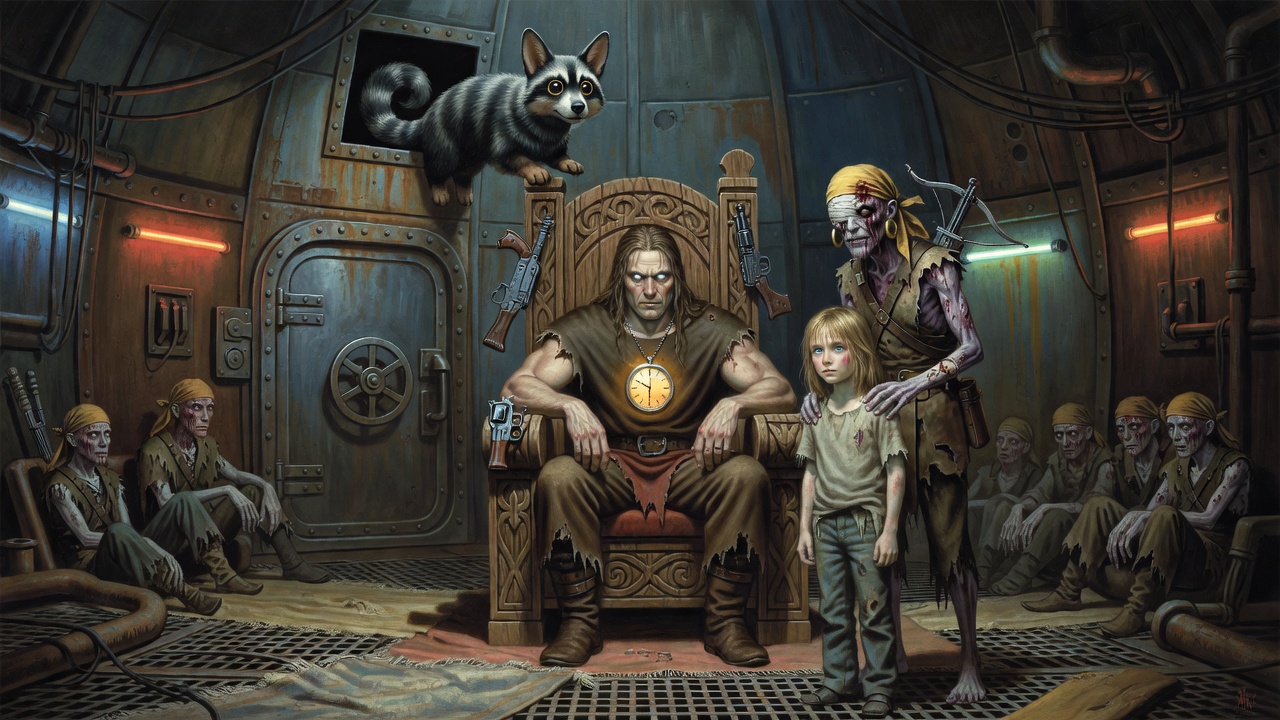
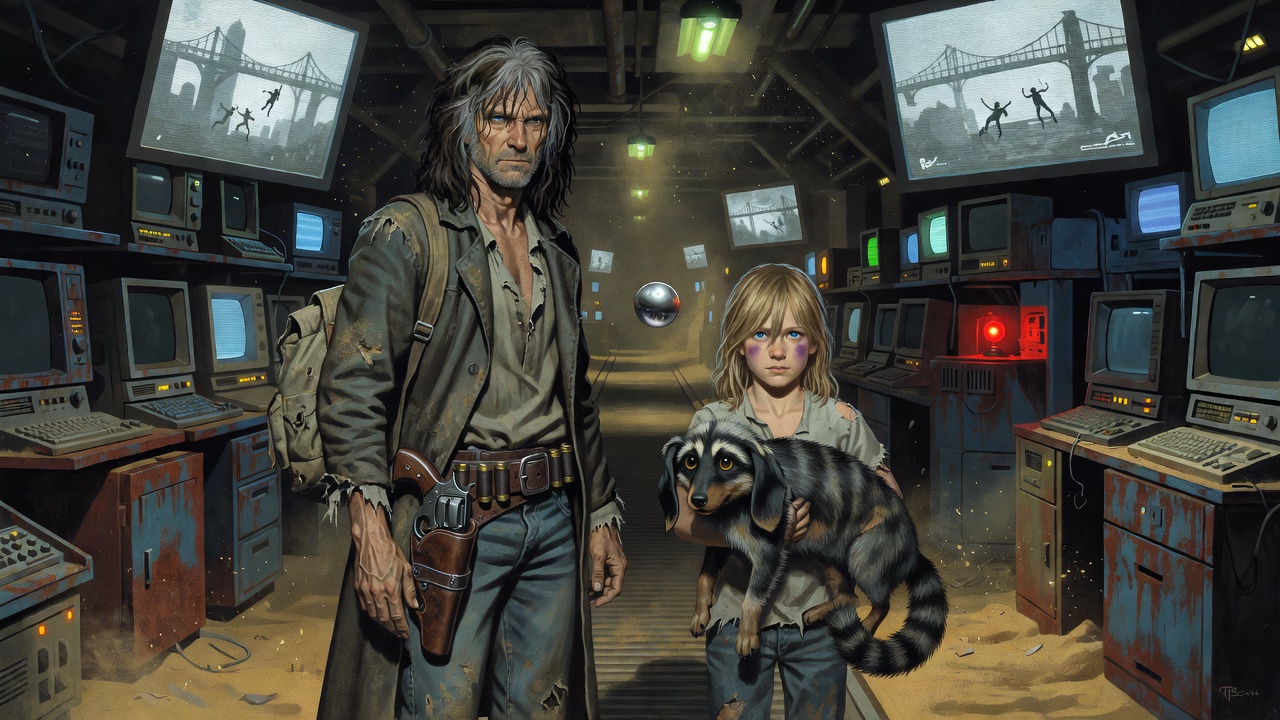
Under the city Gasher delivers Jake to the Tick-Tock Man, Andrew Quick, great-grandson of the pilot in the plane, a giant with a glass-cased clock whose hands run backward, who kills a woman for laughing too loud. Oy scouts the ducts, taps out six on steel for Roland, then drops onto Tick-Tock’s face and claws out an eye. Jake shoots him in the leg and then in the head, a graze as it turns out; Roland bursts in and kills Gasher and the rest, sparing one woman who begs. Blaine leads the three along moving walkways through its own dying computer banks and up an escalator into the Cradle, and the ka-tet is whole. Blaine announces that in twelve minutes it will release the city’s stockpiled chemical and biological weapons. Below, a stranger calling himself Richard Fannin finds the dying Tick-Tock, shows him a cache of gas masks and recruits him.
Riddle and Waste Lands
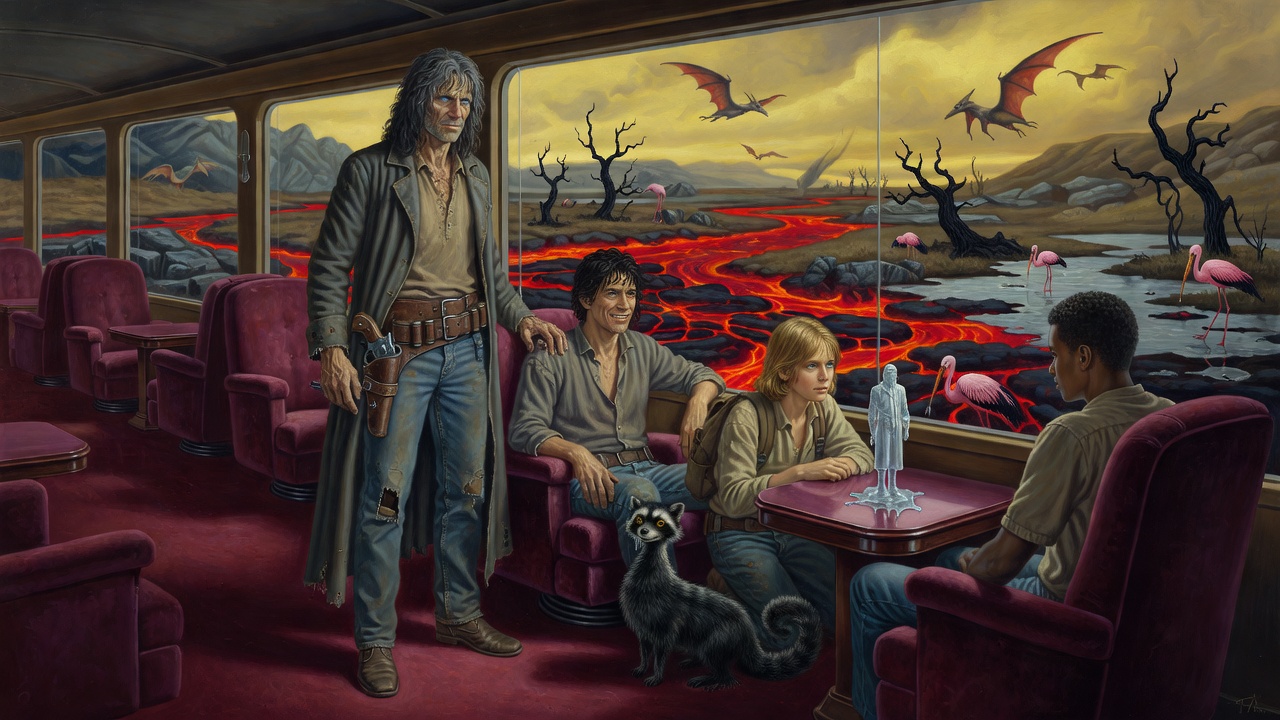
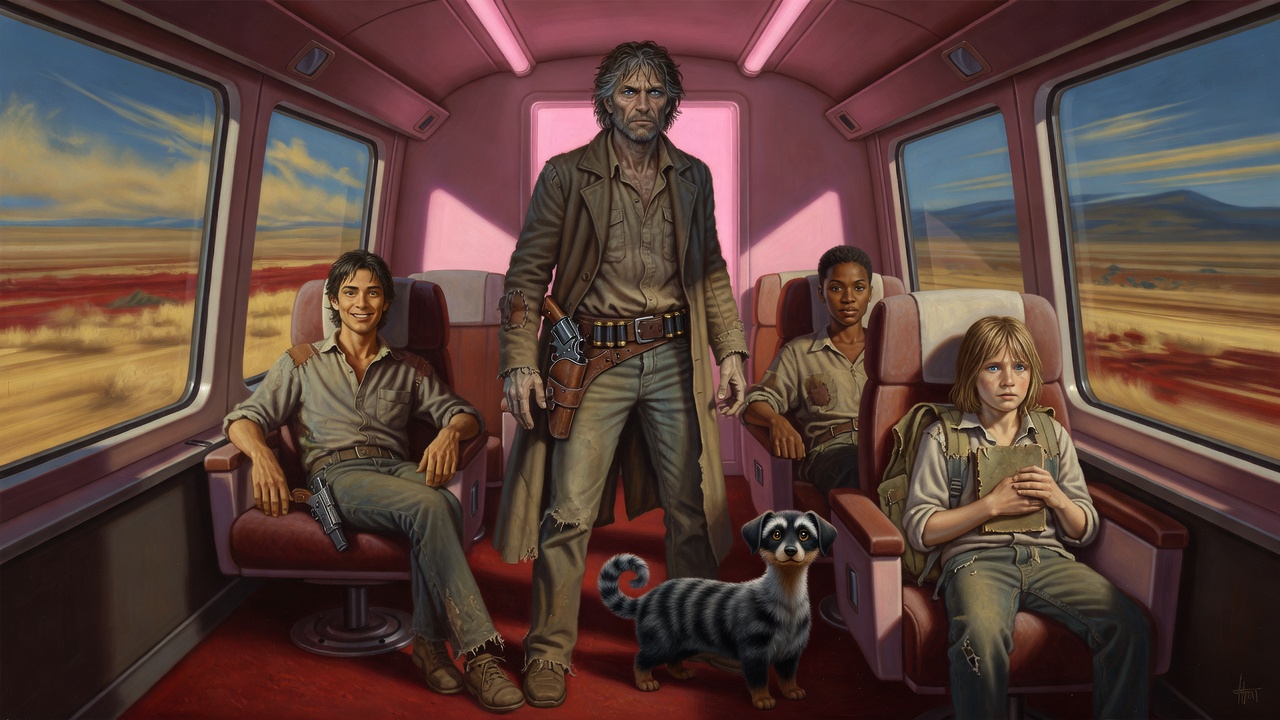
The gate riddle turns on a pump that primes backwards. Susannah reaches down to Detta, who learned the primes from her father’s Sieve of Eratosthenes, chalks them on the marble and keys them from 97 downward; the gate opens with about fifty seconds to spare. Blaine’s passenger coach has a bar, sleepers, a harpsichord, and an ice sculpture of Roland, missing fingers and all. Susannah realises her wheelchair has been left behind in Lud. Jake reads the terminus off the back of Charlie the Choo-Choo, Topeka, and Blaine is shaken. The route runs Candleton, Rilea, the Falls of the Hounds, Dasherville, Topeka, just over eight thousand wheels in under nine hours; Blaine has not run in nine years.
Purple gas rolls through Lud as the train pulls out, and Jake sees a face below whose eye sockets fill with blood. Blaine makes the walls transparent, and the title arrives: sludge rivers, plains of black glass, stunted trees, things like pterodactyls, scarlet lava, pink stork-like creatures. Blaine confesses boredom and madness, tells of Patricia, the blue mono who went mad and killed herself in the river, and says it means to derail at Topeka with them aboard.
Roland refuses the command to riddle. He stands in the gunslinger’s stance and dresses the train down as a lost and petulant machine, with such fire in his eyes that Eddie shrinks from him, and then makes an offer: a Fair-Day Riddling for their lives, as Gilead held them in the Hall of the Grandfathers, where Cort took the goose every year. Stump Blaine and go free at Topeka; fail and die there. Blaine accepts, naming each of them.
You are ka-tet; one made from many. So am I.
“CAST YOUR NETS, WANDERERS!” The contest begins, and the book stops there, with no riddle asked. Wizard and Glass (1997) opens on the same train, seconds later.
What the 2017 film took from this book
- The 2017 film is a sequel or next turn of the wheel rather than an adaptation, and its New York half owes more to this book than to any other: Jake’s visions of the Tower, the gunslinger and the Man in Black, drawn obsessively and dismissed by the adults as trauma, with a therapist and a threatened stay at a psychiatric facility standing in for the Piper School essay crisis.
- A mother and a stepfather replace Elmer and Laurie Chambers; in the film Jake’s father, a fireman, died in a fire.
- Dutch Hill survives: Jake finds a derelict Brooklyn house from his drawings and a portal inside it. The production described the house as a guardian demon that wakes around intruders, which is the doorkeeper rebuilt as a set-piece. The portal is a machine, and the colour-coding of portals is the film’s invention.
- The “shine”, children’s psychic power harvested to crack the Tower, replaces ka and the Beam as the engine of the plot; the rose survives only among Jake’s drawings.
- Nothing of Shardik, River Crossing, Lud, Blaine or the riddles.
Continuity notes
- The party: Roland, Eddie and Susannah at the start; Jake comes through the Dutch Hill door in Door and Demon and Oy joins four days later. Roland names them ka-tet at a palaver the day the Send bridge comes into view.
- Roland’s right hand: two fingers short throughout; Blaine’s ice sculpture reproduces the missing fingers.
- Roland’s guns: at the opening one revolver rides in a holster Roland has rigged to Susannah’s wheelchair and the other hangs at camp, where Eddie grabs it to face the bear. On the bear’s trail Susannah still carries one. Roland hands his gunbelt and knife to Eddie at the Portal clearing during his breakdown and asks for his gun back at the edge of the speaking ring. From River Crossing on, Roland and Susannah each carry one of his revolvers while Eddie carries Jake’s Ruger (Reactor, Town and Ka-Tet 3–5); Susannah fires hers in Lud.
- Jake’s Ruger: taken from his father’s study with its clip and a box of shells, carried in his pack; handed to Eddie as they approach River Crossing; Eddie carries it in his waistband in Lud and fires it for signal shots. Who holds it at the end of the book is not stated. The sources for this book do not mention the docker’s clutch Jake wears later, so the frames show him without it.
- Susannah’s wheelchair: Roland carries her in a sling where it cannot go. Eddie drops it on the Send bridge during the Oy rescue, but it is recovered: Eddie pushes her through Lud in it and rolls it into the Cradle. It is left behind there, and she boards Blaine without it.
- Jake’s gear: grammar-school backpack, Charlie the Choo-Choo, Riddle-De-Dum! with its answer pages torn out, a Seiko digital watch that goes haywire in Mid-World. He kicks out of his jeans in the Mansion. Gasher’s run costs him the backpack; Roland finds it and carries it to the Cradle. Whether the key from the vacant lot crosses with him is not stated.
- Objects: Walter’s jawbone burns in Bear and Bone; Eddie’s ash key is finished and used, its fate unstated; Aunt Talitha’s silver cross goes on Roland here, passes out of his hands in a later book and comes back to him before he lays it at the Tower in Book VII.
- Deaths: Shardik; Gasher; the population of Lud. The Tick-Tock Man survives Jake’s shots with a torn scalp and an eye lost to Oy, and leaves the book in the company of Richard Fannin. Patricia, the blue mono, has been dead in the Send for about nine years.
- Location: the Great Woods east of the Western Sea at the start; aboard Blaine crossing the waste lands toward Topeka at the end.